

Quick answer
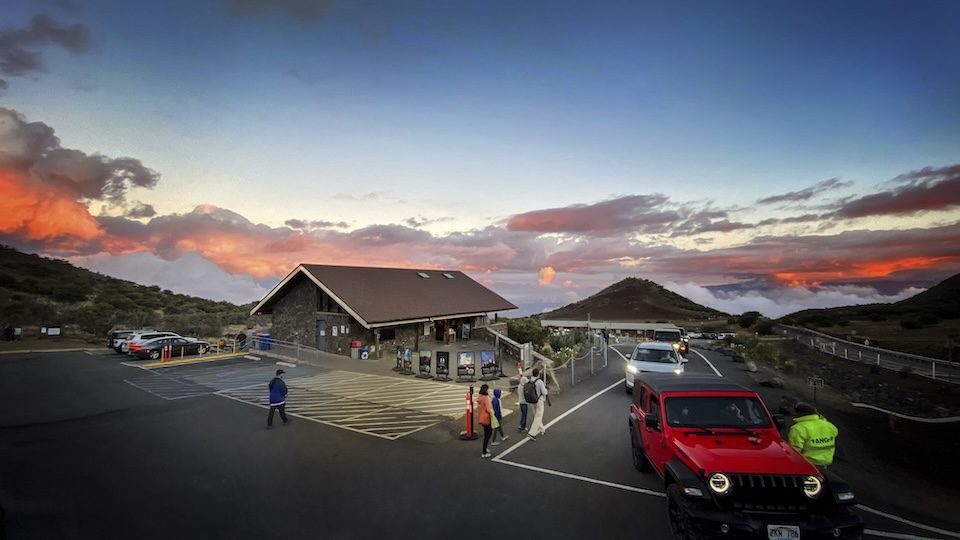
Yes, the Mauna Kea Visitor Center is worth visiting for anyone traveling to the summit or interested in stargazing. It provides essential acclimatization space at 9,200 feet before ascending to 13,800 feet, free educational exhibits about the observatories and Hawaiian culture, and nightly stargazing programs with telescopes. Entry is free, and the facility operates daily from 9:00 AM to 9:00 PM.
The Visitor Information Station serves two overlapping groups: those preparing for summit ascents and those arriving solely for the evening astronomy programs. Summit-bound visitors must stop for at least 30 minutes to allow their bodies to adjust to reduced oxygen levels—an acclimatization pause that significantly reduces altitude sickness risk at the observatories above. Staff confirm vehicle suitability for the unpaved upper road and provide current weather and visibility reports. The center's value extends beyond logistical preparation. Permanent exhibits detail the thirteen telescopes operating on the summit, the geological forces that built the volcano, and the mountain's significance in Native Hawaiian cosmology and navigation practices. A small theater screens documentary footage of observatory construction and scientific discoveries made from the site. Rangers answer questions about celestial objects visible that evening and explain how Mauna Kea's altitude, dry climate, and isolation from light pollution create some of Earth's best astronomical seeing conditions. Nightly stargazing sessions begin after sunset and run until closing. Volunteer astronomers set up multiple telescopes on the lawn outside, each aimed at planets, star clusters, nebulae, and galaxies visible that night. Unlike summit visits—which require four-wheel drive and prohibit observation after dark due to headlight interference—the visitor center programs welcome all vehicles and provide structured guidance for interpreting what appears in the eyepiece. September through April offers the longest observation windows and the clearest skies. The question of whether a Mauna Kea Visitor Center stop is worthwhile ultimately depends on your summit plans and astronomical interest. If you intend to drive to the observatories, the stop is not optional—it is a required safety measure. If you arrive for stargazing alone, the combination of free admission, expert-led programs, and high-altitude clarity makes it one of Hawaii's most accessible astronomy experiences. Casual tourists without either goal may find the exhibits interesting but not essential unless they seek educational context about the telescopes visible from lower elevations.
“The visitor station provides the only structured acclimatization point between sea level and the summit observatories, reducing altitude sickness risk for thousands of visitors each year.”
Is It Worth Going To Mauna Kea Visitor Center: Best Times To Visit
The best arrival window is 09:00–20:30, with visitors encouraged to arrive at least 30 minutes before sunset to facilitate altitude acclimatization. This timing balances daylight safety with the transition to clear night skies.
Summer months
High volumeClear, highs near 50°F
Extended daylight provides more time for exploration.
Winter months
Lower volumeHigh winds, frequent snow, 30°F–40°F
Variable weather may affect road conditions and visibility.
Shoulder season (Apr/Oct)
Moderate volumeStable, clear, 40°F–50°F
These months offer optimal balance for stargazing conditions.
Verdict: The best slot is a weekday during April or October, arriving by 16:00 to ensure sufficient acclimatization before sunset.
Opening Hours For Is It Worth Going To Mauna Kea Visitor Center
The Mauna Kea Visitor Information Station maintains consistent operating hours throughout the week to accommodate visitors. The facility is open daily from morning until evening.
| Monday | 09:00–21:00 | |
|---|---|---|
| Tuesday | 09:00–21:00 | |
| Wednesday | 09:00–21:00 | |
| Thursday | 09:00–21:00 | |
| Friday | 09:00–21:00 | |
| Saturday | 09:00–21:00 | |
| Sunday | 09:00–21:00 |
How To Get To Mauna Kea Visitor Center Safely
The Mauna Kea Visitor Information Station is located off Maunakea Access Road on the Big Island of Hawaii. Access requires traveling up the mountain via private vehicle or authorized tour transport.
Saddle Road (Route 200) to Maunakea Access Road
Tour operator pickup from Hilo or Kona hotels
Checklist For Is It Worth Going To Mauna Kea Visitor Center
Prepare for high altitude and cold conditions to make the most of your visit.
-
Bring warm layers and a jacket — Temperatures drop significantly at 9,200 feet, especially after sunset.
-
Wear closed-toe shoes with grip — The terrain is rocky and uneven around the visitor center.
-
Pack water and light snacks — Staying hydrated helps prevent altitude sickness at elevation.
-
Arrive before sunset for acclimatization — Your body needs at least 30 minutes to adjust to the thinner air.
-
Check weather and road conditions — Sudden storms or fog can close the access road without notice.
-
Bring a flashlight or headlamp — The site has minimal lighting once darkness falls.
-
Allow time for the drive — The winding access road from Hilo takes approximately 90 minutes.
Check availability
Frequently Asked Questions About Visiting the Mauna Kea Visitor Center
Everything you need to know about is it worth going to mauna kea visitor center