7 hr 30 min
Mauna Kea Summit Sunset & Stargazing Tour
- Expert local guide
- Small group
- Skip-the-line access
- Free cancellation
Mauna Kea Stargazing Tours — Summit Observatory & Celestial Viewing
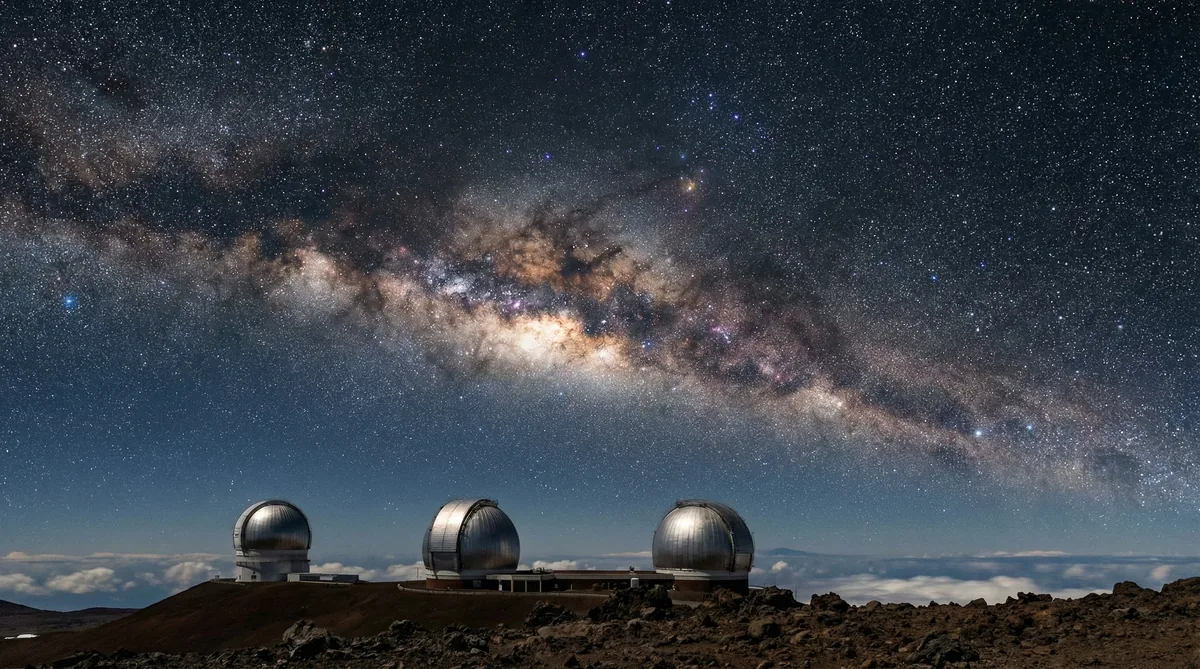
Thirteen telescopes at 13,800 feet, where thin atmosphere meets infinite sky
Compare fares, pick the fit — all bookings are mobile-voucher and eligible for free cancellation where shown.
7 hr 30 min
8 hr
4 hr
| Experience | Duration | Rating | Skip-the-line | Guide | Small group | Free cancel. | Price | |
|---|---|---|---|---|---|---|---|---|
|
Guided Experience
Most popular
Mauna Kea Summit Sunset & Stargazing Tour
|
7 hr 30 min | ★ 4.8 | ✓ | ✓ | ✓ | ✓ | €249 | Book → |
|
Guided Experience
Mauna Kea Sunset & Stargazing Adventure with Professional Photos
|
8 hr | ★ 4.8 | ✓ | ✓ | ✓ | ✓ | €259 | Book → |
|
Standard Entry
Mauna Kea Summit Hike & Celestial Navigation Experience
|
4 hr | ★ 4.9 | — | — | ✓ | ✓ | €129 | Book → |
They complement each other; most visitors who do both call Mauna Kea the more thrilling for high-altitude professional astronomy, while Haleakala is lauded for accessible park infrastructure.
|
Top pick Mauna Kea |
Haleakala NP | |
|---|---|---|
| Island location | Big Island | Maui |
| Summit elevation | 13,803 feet (4,207 m) | 10,023 feet (3,055 m) |
| Driving accessibility | 4WD required for summit | Paved road (all vehicles) |
| Stargazing conditions | World-class professional conditions | Excellent high-altitude views |
| Official visitor facilities | Visitor Information Station | National Park visitor centers |
| See tickets & prices |
Verdict: Choose Mauna Kea Stargazing Tours for unparalleled celestial clarity, or opt for Haleakala National Park if you prioritize convenient logistics and family-friendly access.
Hand-picked experiences loved by thousands of travelers
6 hours
Free Cancellation
Climb to Hawaii's highest peak for sunset views and telescope-guided stargazing at 14,000 feet
8 hours
Free Cancellation
Ascend Hawaii's tallest peak for sunset views, then explore the cosmos through telescopes with hot cocoa in hand.
2 hours
Free Cancellation
Observe celestial wonders from a private mountain location far from light pollution and highways
6 hours
Free Cancellation
Journey between two massive volcanoes for solar viewing and world-class stargazing with expert astronomers
7 hours
Free Cancellation
Journey between two massive volcanoes, explore lava caves, then stargaze through professional telescopes under pristine Hawaiian skies.
10 hours
Free Cancellation
Journey through coffee country to active volcanic landscapes, then stargaze beneath Mauna Kea's pristine skies
9 hours
Free Cancellation
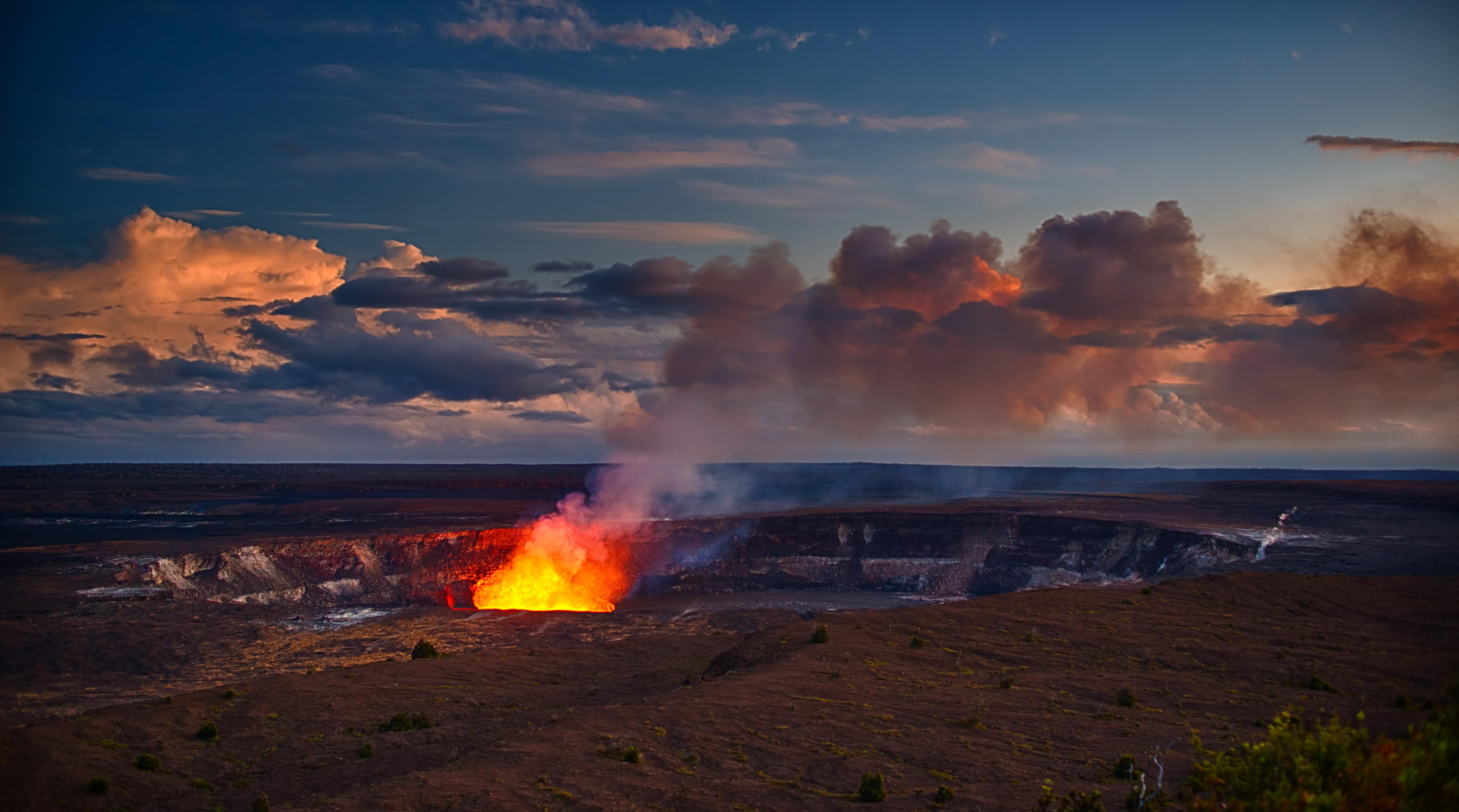
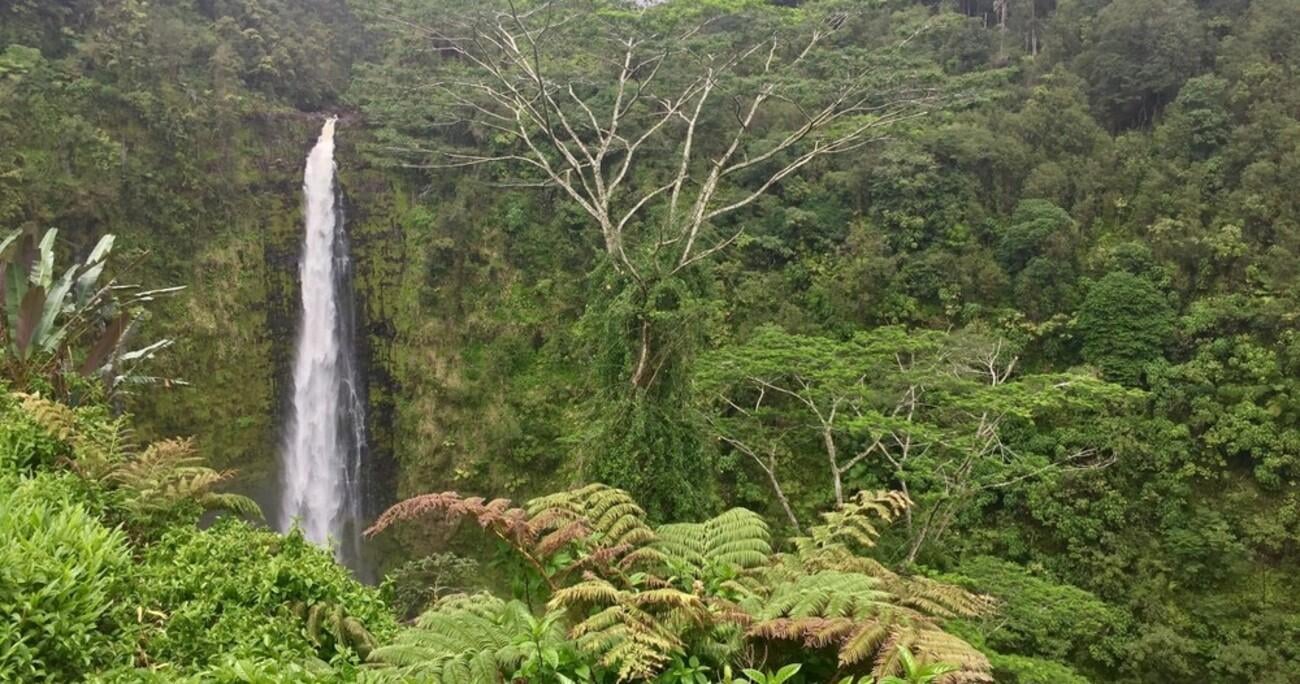
Full-day volcanic exploration through Hawaii Volcanoes National Park, Akaka Falls, and the Hamakua Coast
9 hours
Free Cancellation
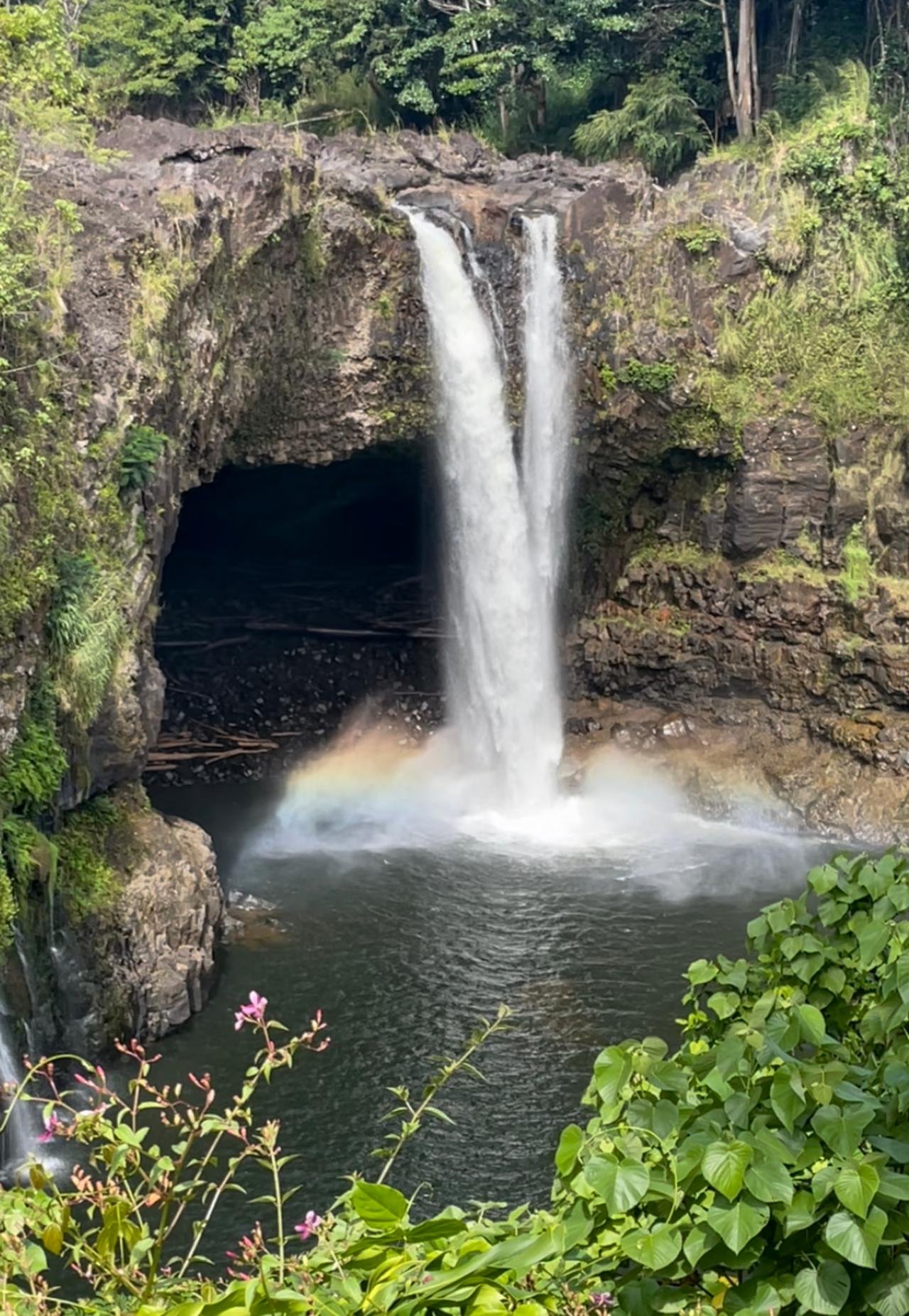
Journey from Hilo's cascading falls through ancient lava tubes to Mauna Kea's cloud-piercing summit
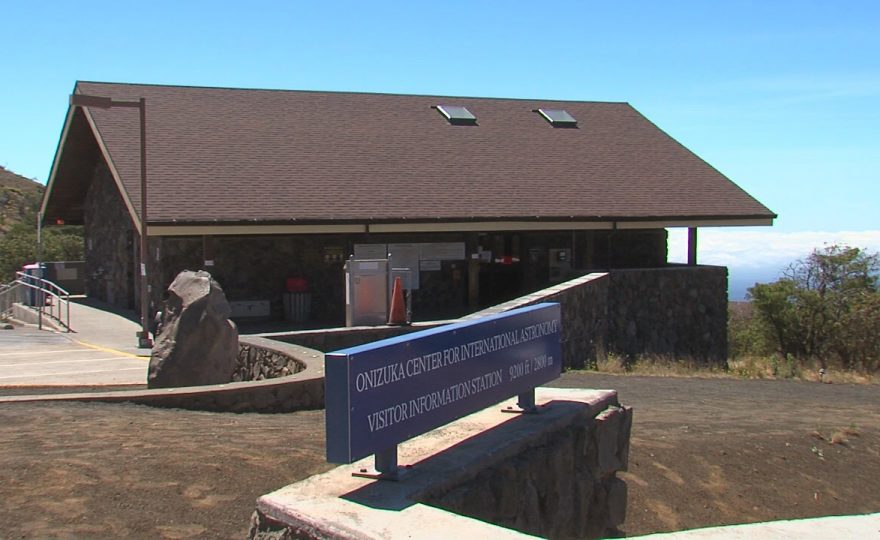
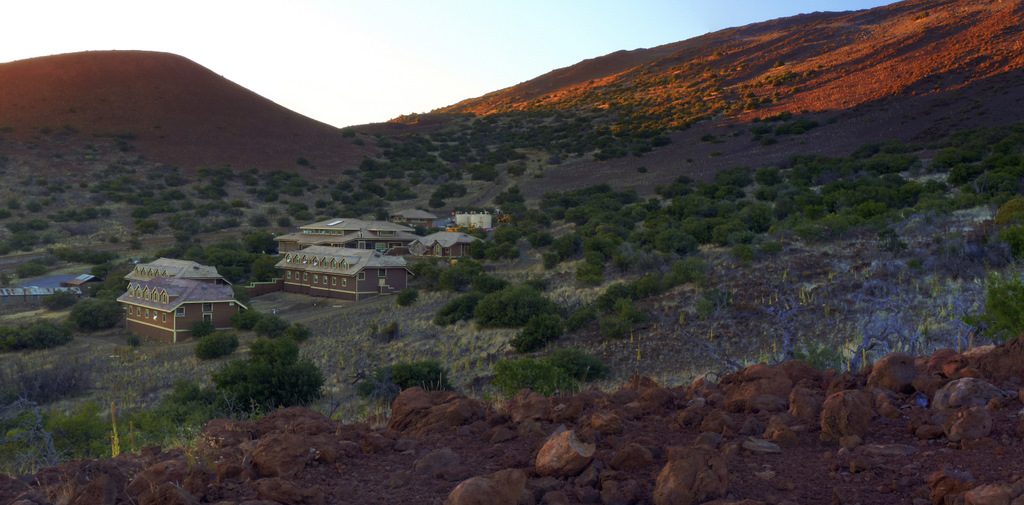
The primary hub for acclimatization and education, named after astronaut Ellison S. Onizuka. It features informative exhibits on local astronomy and native culture.
Known as Sunset Hill, this location offers a prime vantage point for watching the sun dip below the cloud line. It is a short, moderate hike from the main station area.
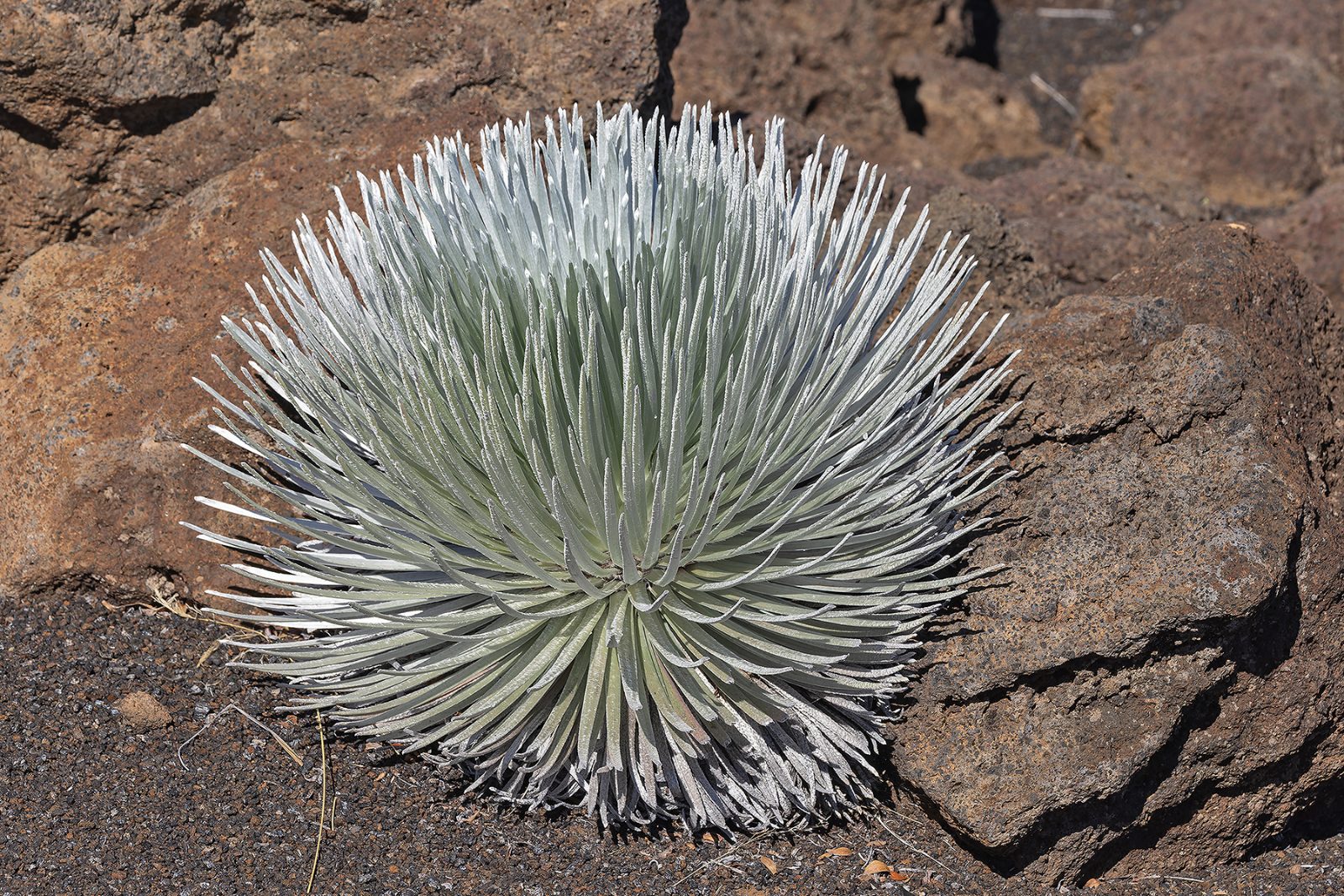
A protected habitat for the rare ʻāhinahina, an endangered silversword plant endemic to the island. Visitors can observe these unique plants from the designated trail boundary.
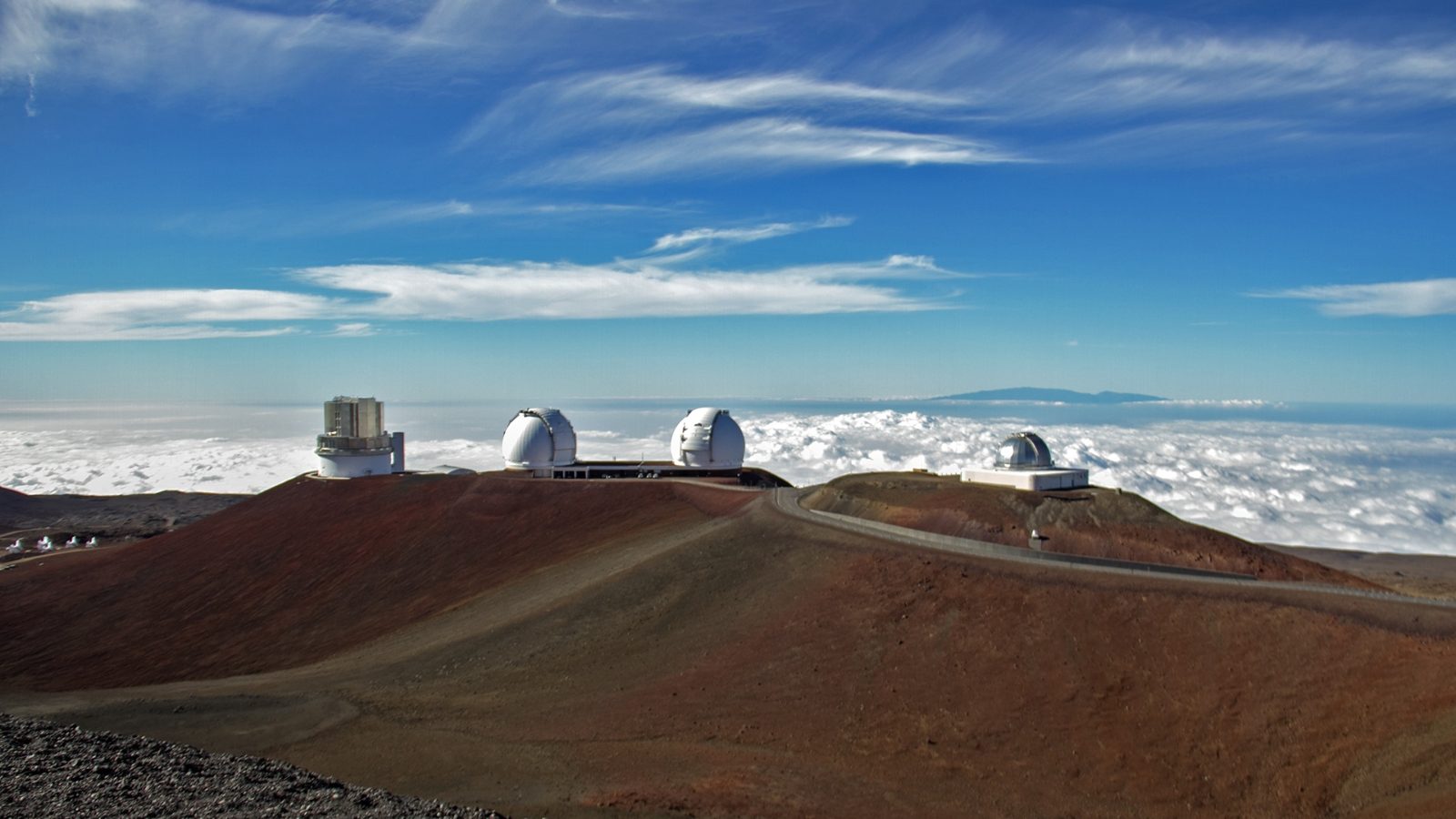
Designated areas near the station provide clear sightlines to the world-class international telescopes dotting the volcanic peaks above. The structures represent advanced scientific collaboration across 11 countries.
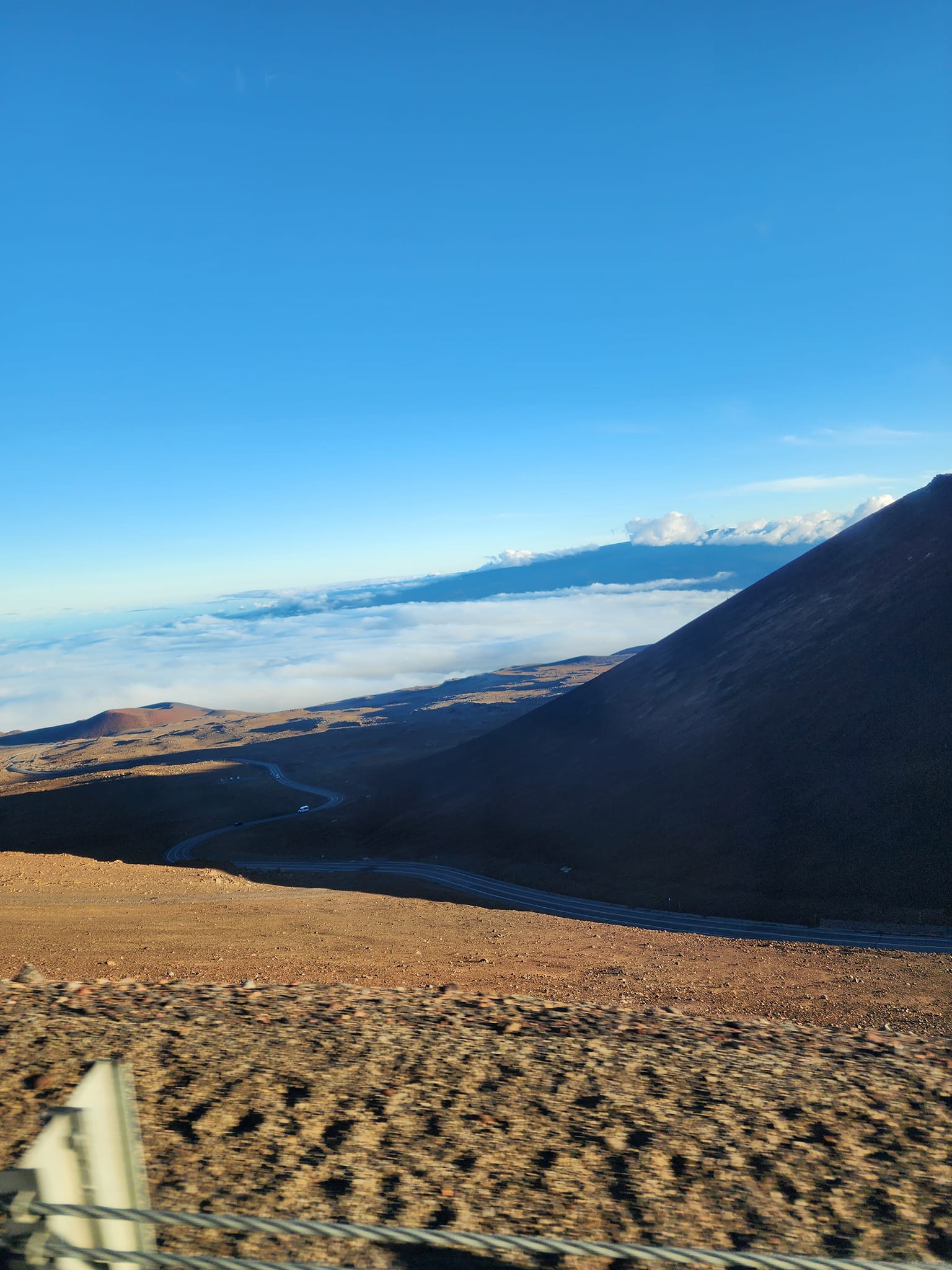
The transition point where the paved road ends and the rugged 4WD-only terrain begins. It serves as a reminder of the altitude limits for standard rental vehicles.
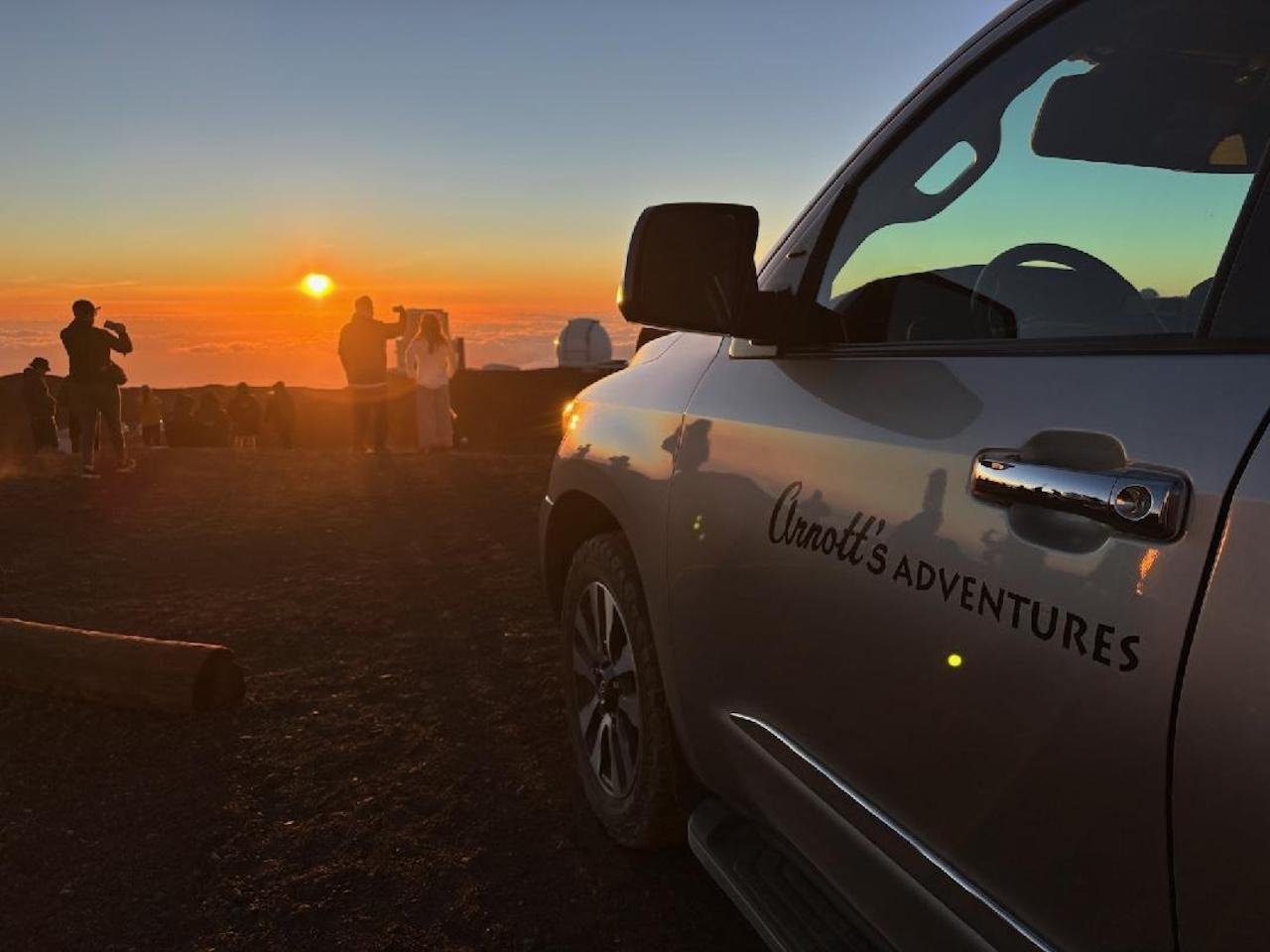
You meet your guide in Hilo or Kona in late afternoon, and the van climbs inland through ranch country and cloud forest before reaching the Onizuka Center at 9,200 feet. Here you pause for an hour, drinking water and letting your body adjust to the thinning air while the sun drops toward the horizon.
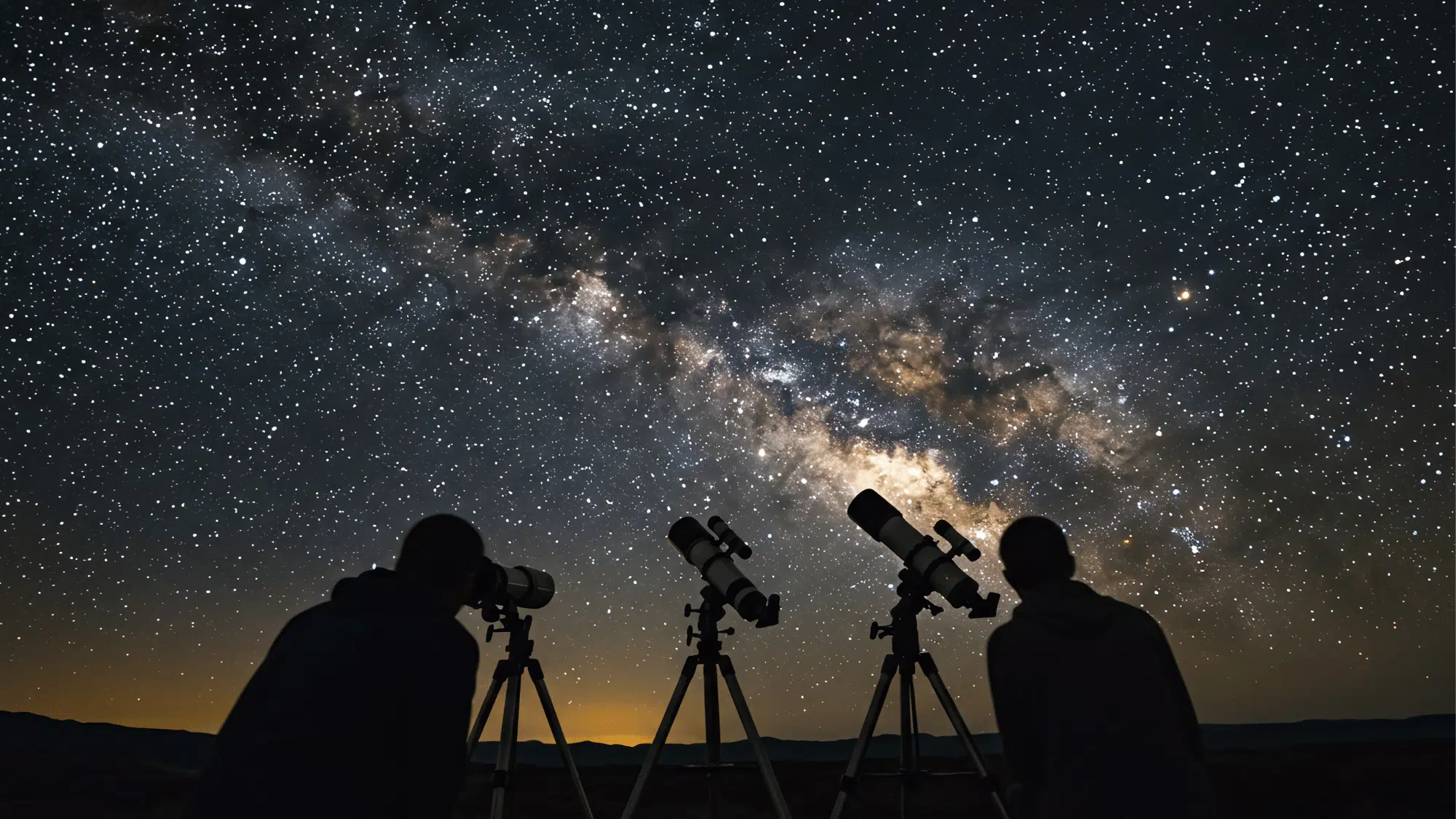
Portable telescopes are unloaded, and your guide reviews the evening's targets — Jupiter's moons, the Andromeda Galaxy, the Pleiades cluster.
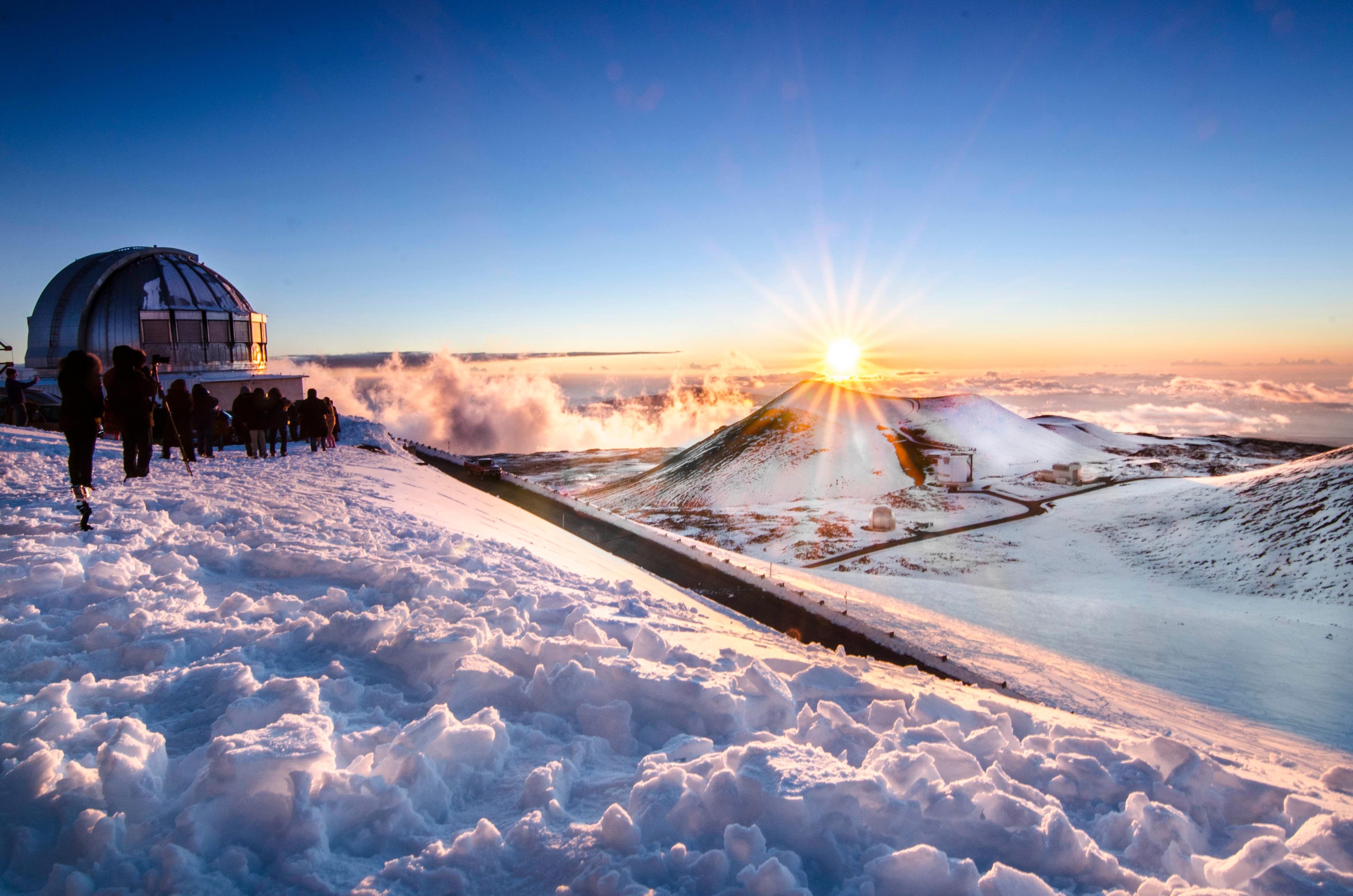
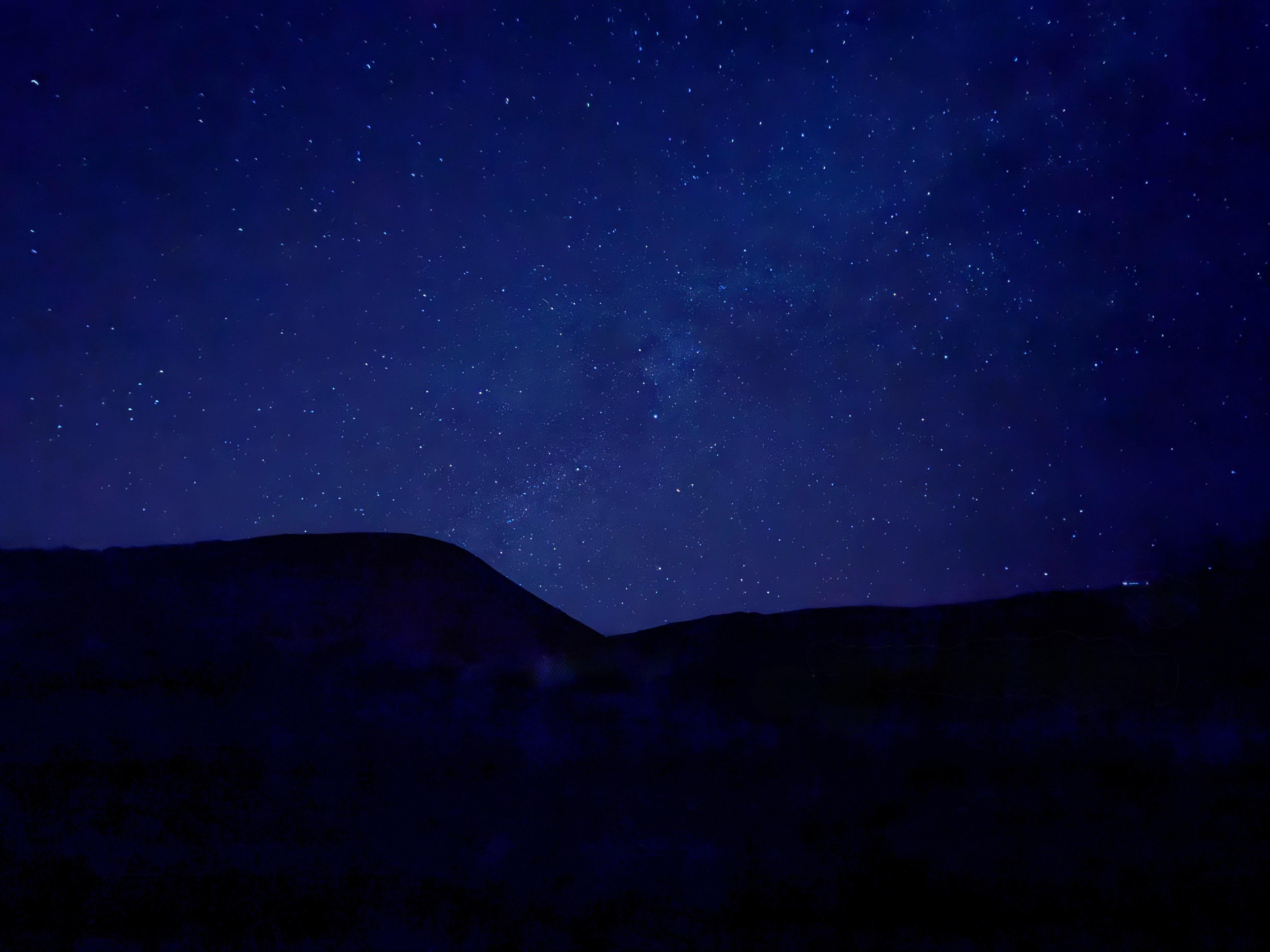
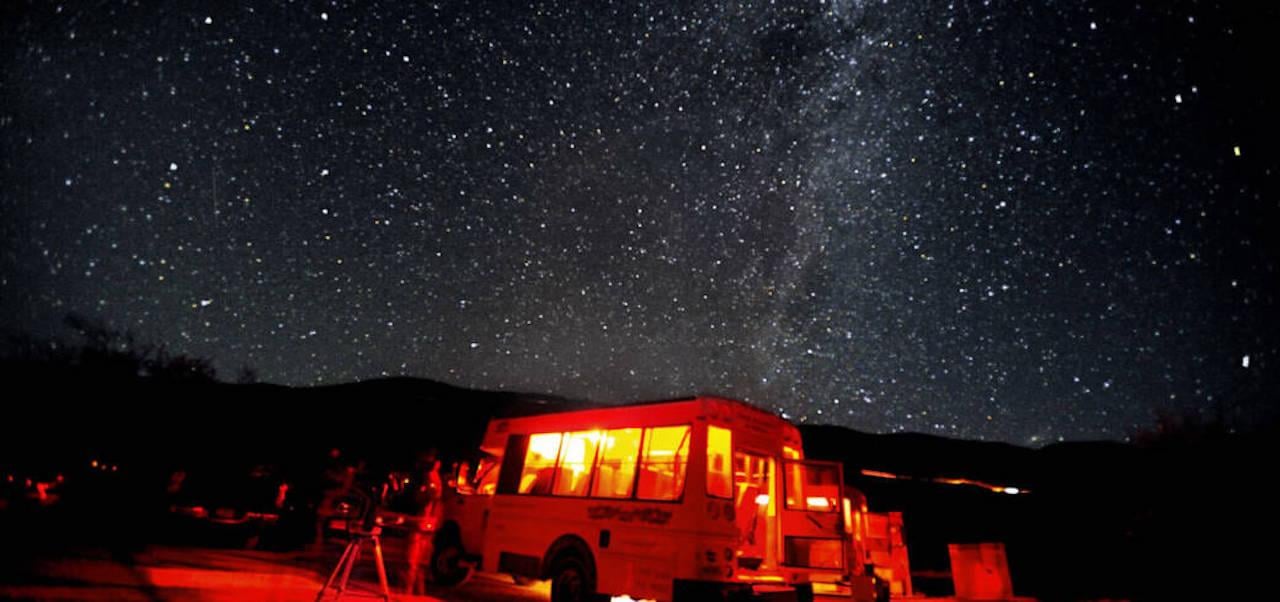
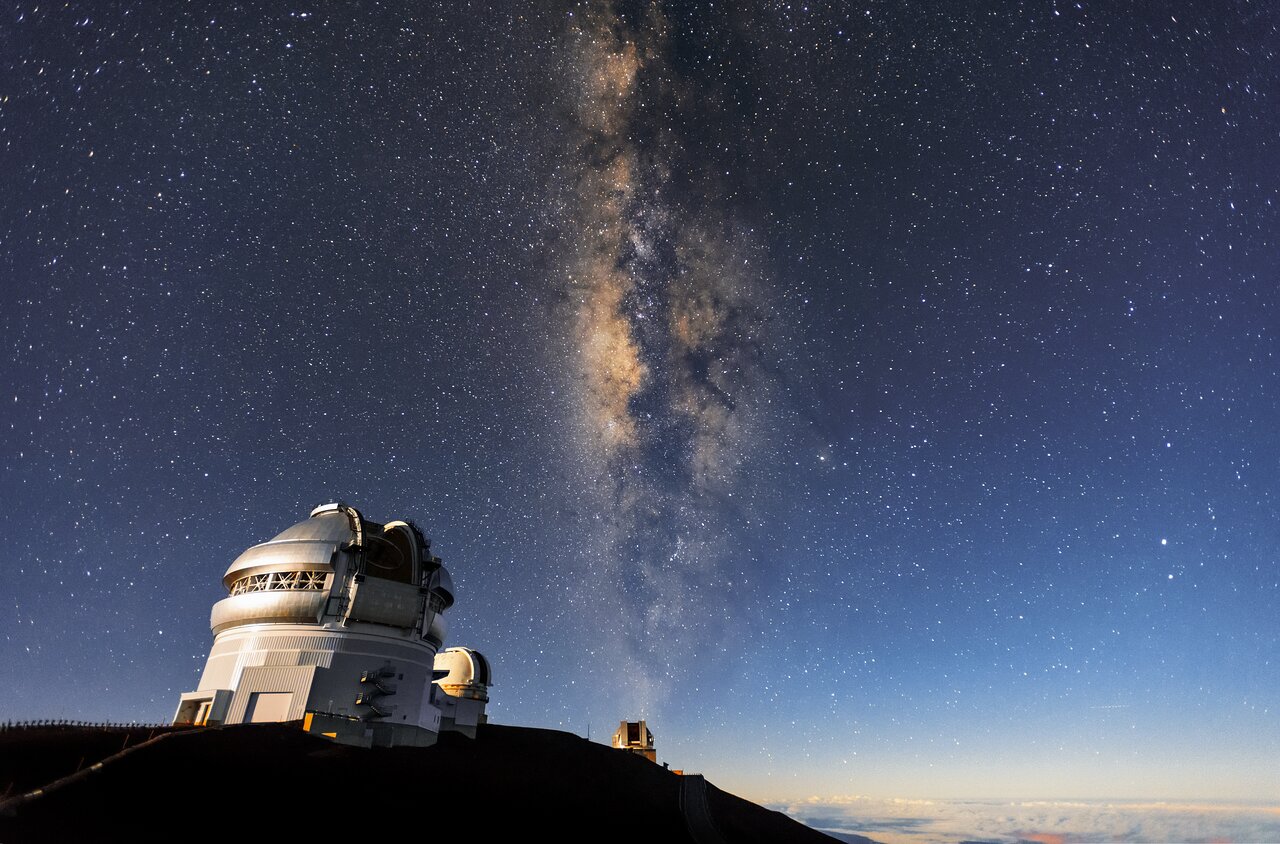
The road steepens above the visitor center, switchbacking through volcanic cinder and alpine grass. The summit appears barren and cold, the white observatory domes stark against the darkening sky. You step out into wind and silence, the temperature near freezing, and your breath shortens. The guide points the telescope toward Saturn, and you lean in to see the rings suspended in black space, perfectly still. Later, the Milky Way rises overhead, dense and three-dimensional, and you realize how much of the sky you've never seen. The cold becomes irrelevant. You stay at the eyepiece, moving between targets, until the guide signals it's time to descend.
All the details about your upcoming adventure in one place
Mauna Kea Stargazing Tours bring you to the 13,796-foot summit of Hawaii's tallest volcano for unparalleled views of the night sky. The tour ascends through multiple climate zones to reach the high-altitude observatories, where minimal light pollution and thin atmosphere create ideal conditions for viewing celestial objects. Guides provide telescopes and point out constellations, planets, and deep-sky phenomena visible from one of Earth's premier astronomical sites.
The summit of Mauna Kea rises 13,796 feet above sea level, but measured from its Pacific seafloor base, the dormant volcano extends over 33,000 feet — taller than Everest.
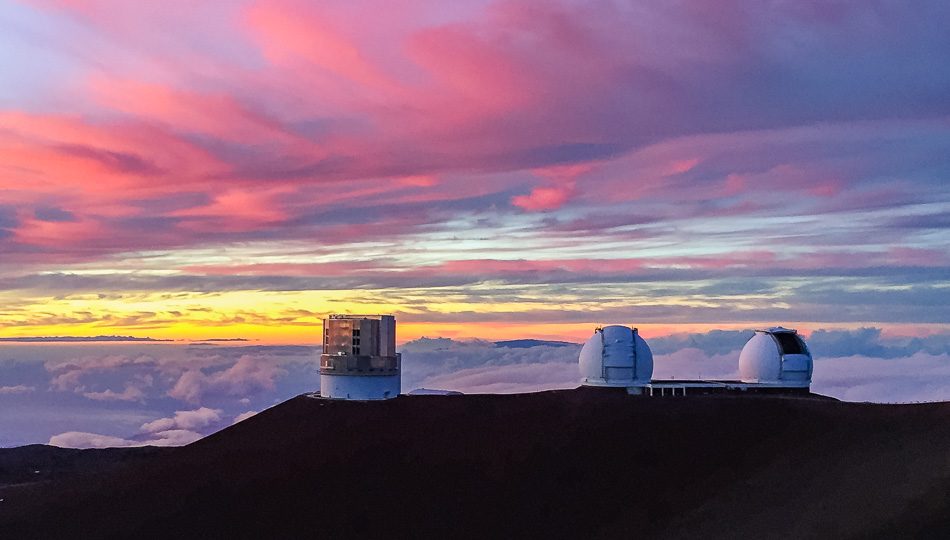
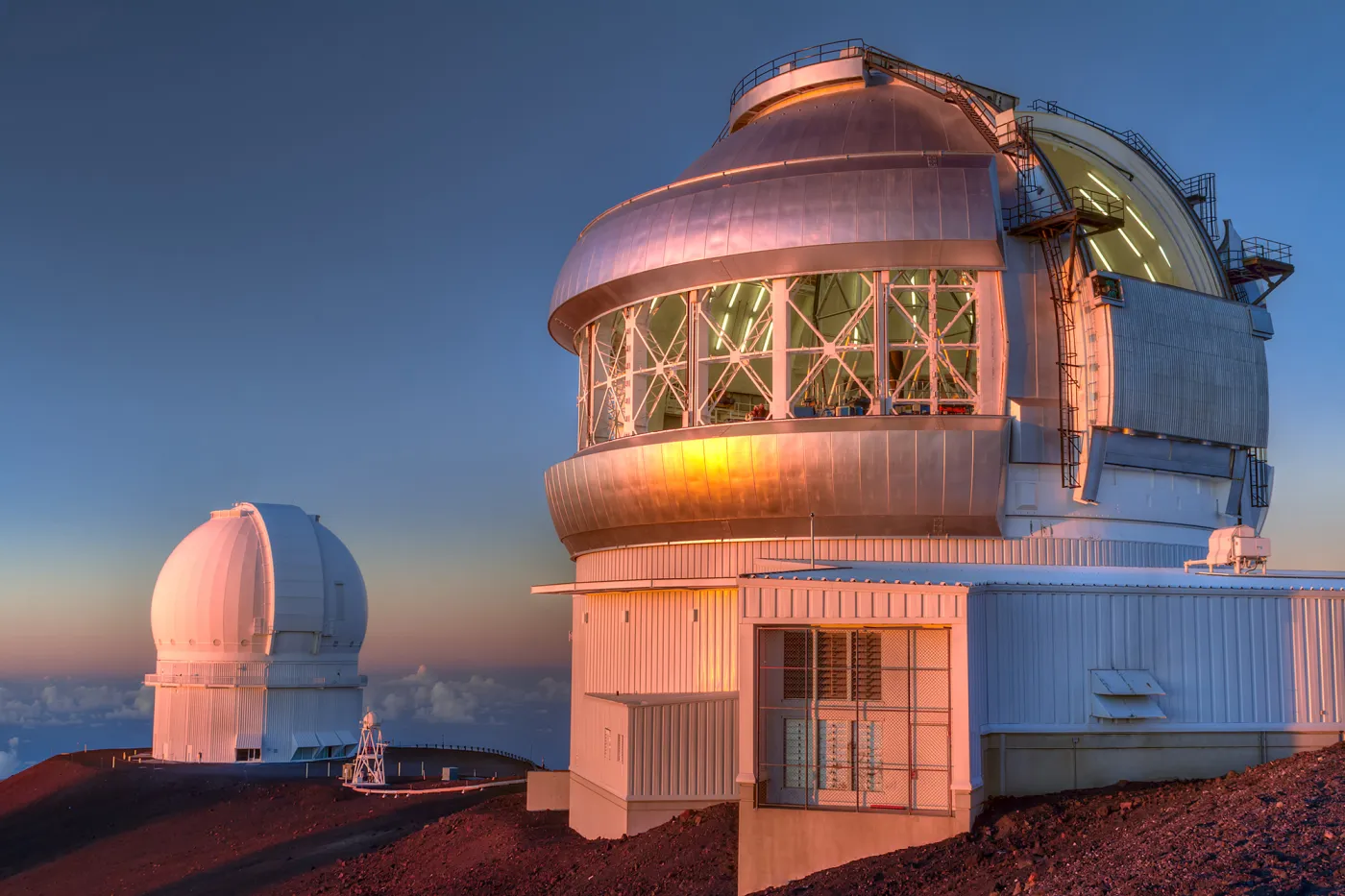
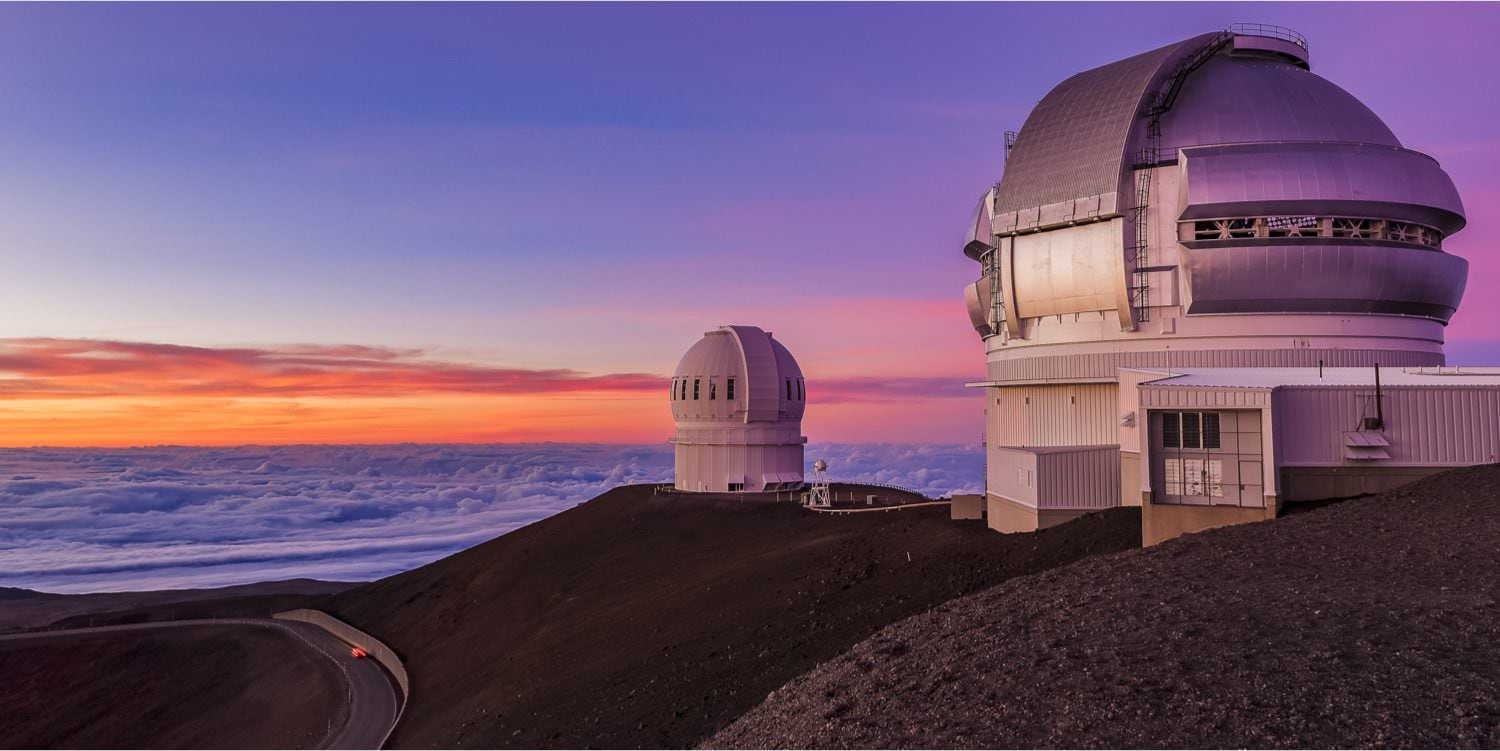
This remote height places the peak above 40 percent of Earth's atmosphere, and the dry, stable air currents create some of the clearest viewing conditions on the planet. Thirteen independent observatories representing eleven nations now occupy the summit, including the twin Keck telescopes, each with a 10-meter segmented mirror, and the Subaru Telescope, operated by the National Astronomical Observatory of Japan. These installations have contributed to discoveries ranging from the first direct image of an exoplanet to detailed mapping of the universe's large-scale structure.
Mauna Kea's astronomical significance predates modern instrumentation. Native Hawaiian navigators used the mountain as a reference point for celestial wayfinding across the Pacific, and the summit holds deep cultural and spiritual importance as the realm of Wākea, the sky father. The first telescope was installed in 1968, and the site has since become one of the most productive research platforms in observational astronomy. The summit's latitude near 20 degrees north allows visibility of both northern and southern celestial hemispheres, while the volcanic geology shields instruments from urban light pollution and electromagnetic interference.
Mauna Kea Stargazing Tours operate year-round, departing from Hilo and Kona between 09:00 and 21:00. Most tours include a sunset acclimatization stop at the Onizuka Center for International Astronomy, located at 9,200 feet, before ascending to the summit for telescope-assisted observation. The access road climbs from sea level to summit in under an hour, crossing through five distinct climate zones — from tropical coast through cloud forest, subalpine shrubland, and alpine stone desert. Above 12,000 feet, oxygen saturation drops to roughly 60 percent of sea-level values, and operators provide parkas and oxygen for visitors who experience altitude symptoms.
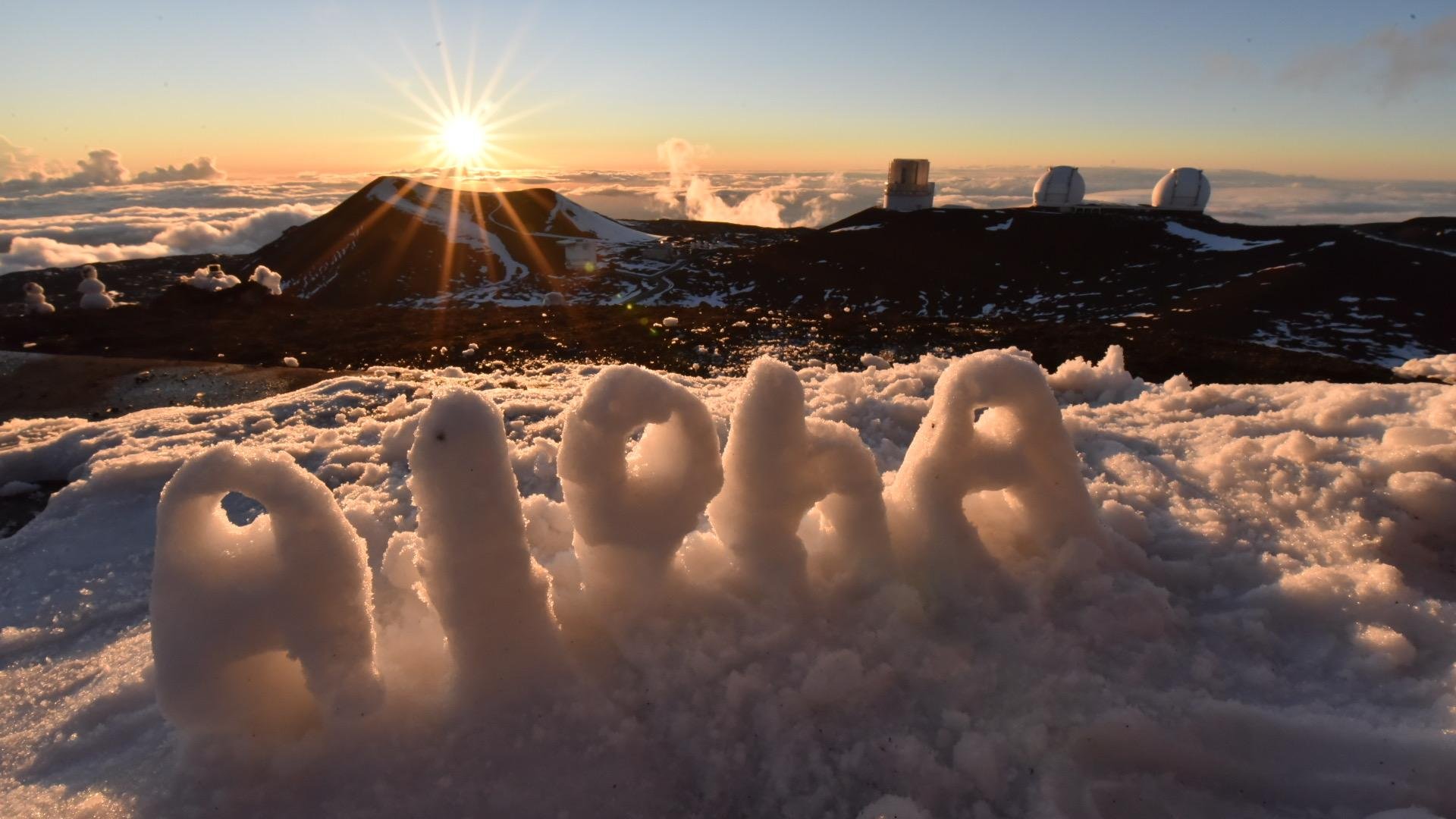
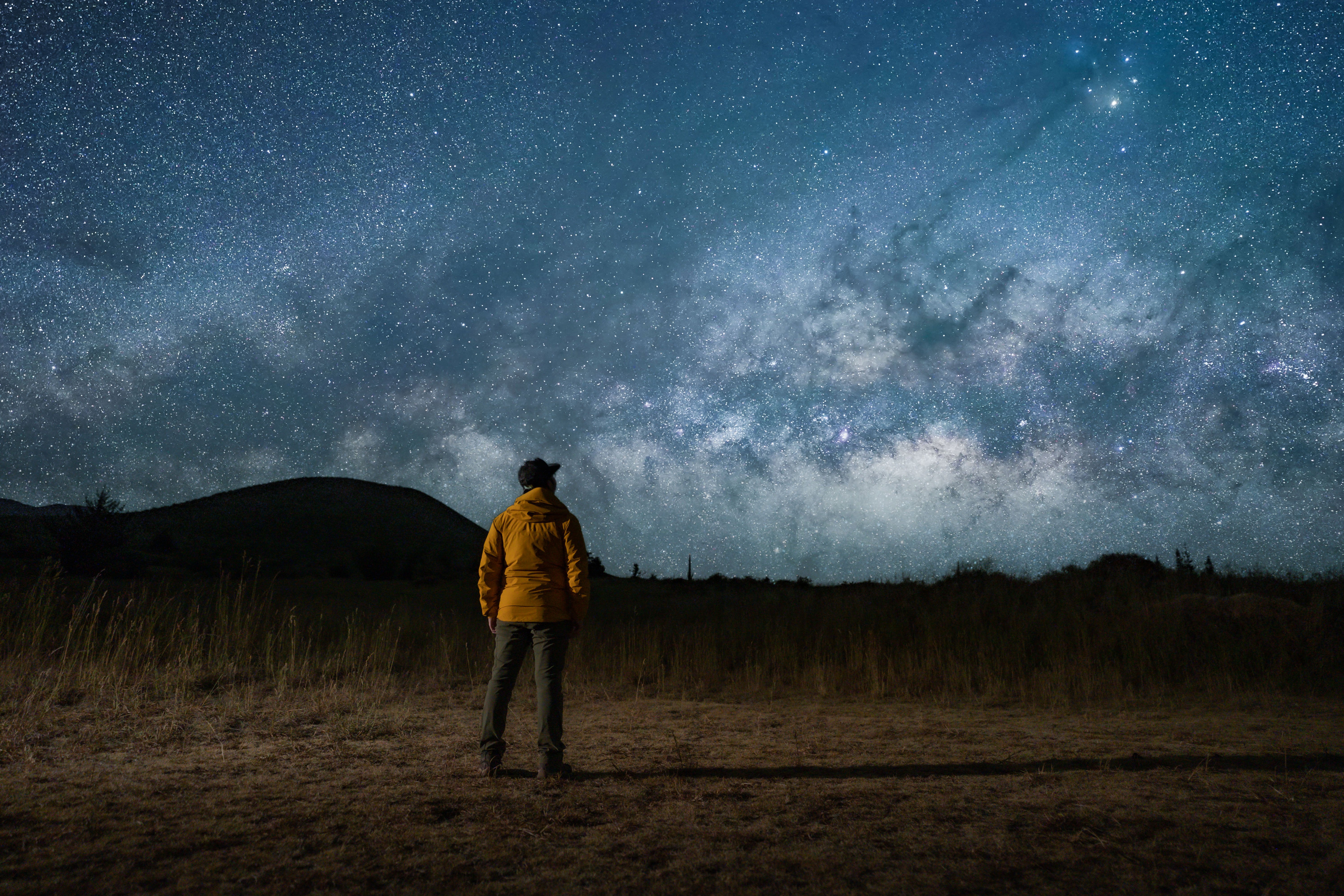
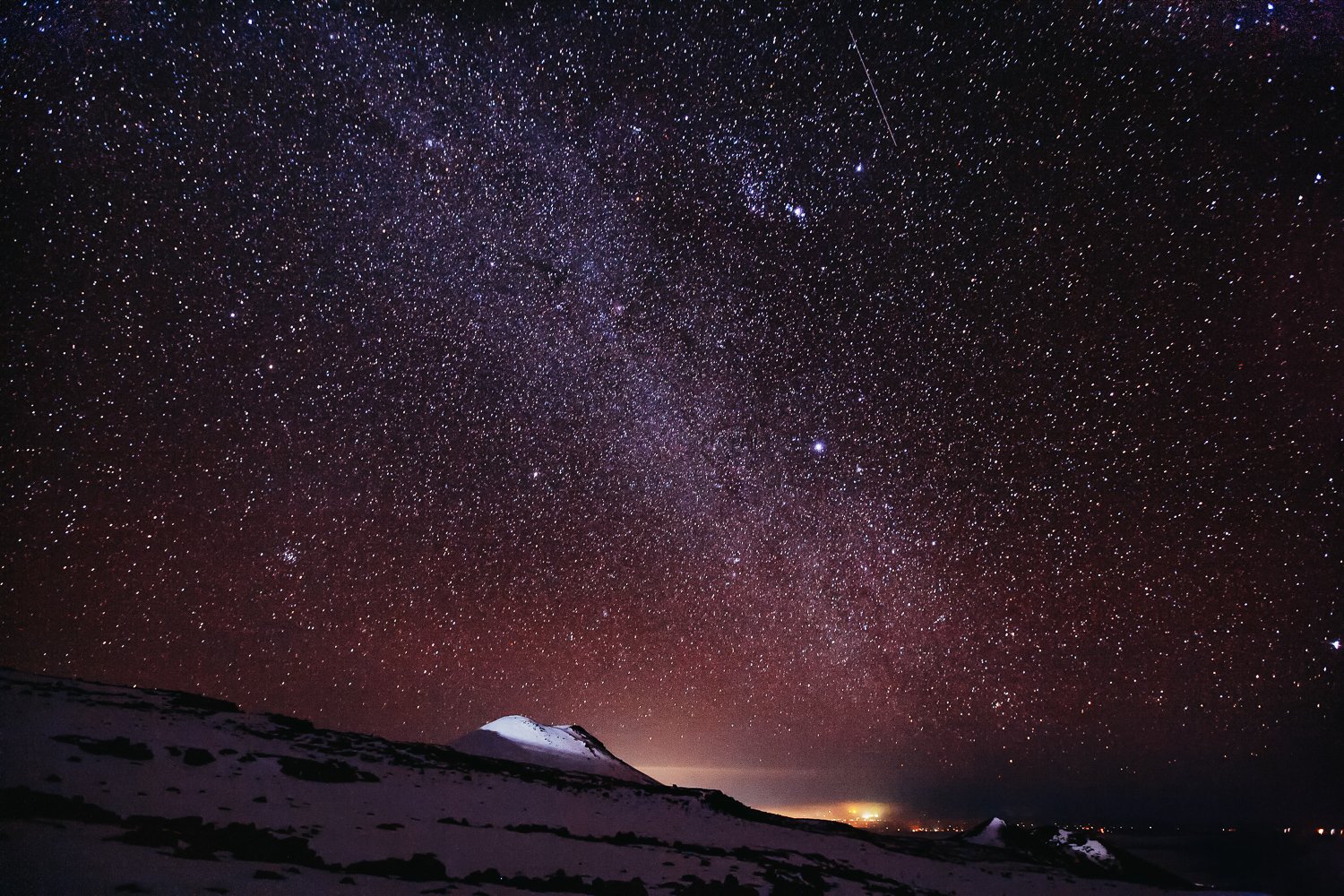
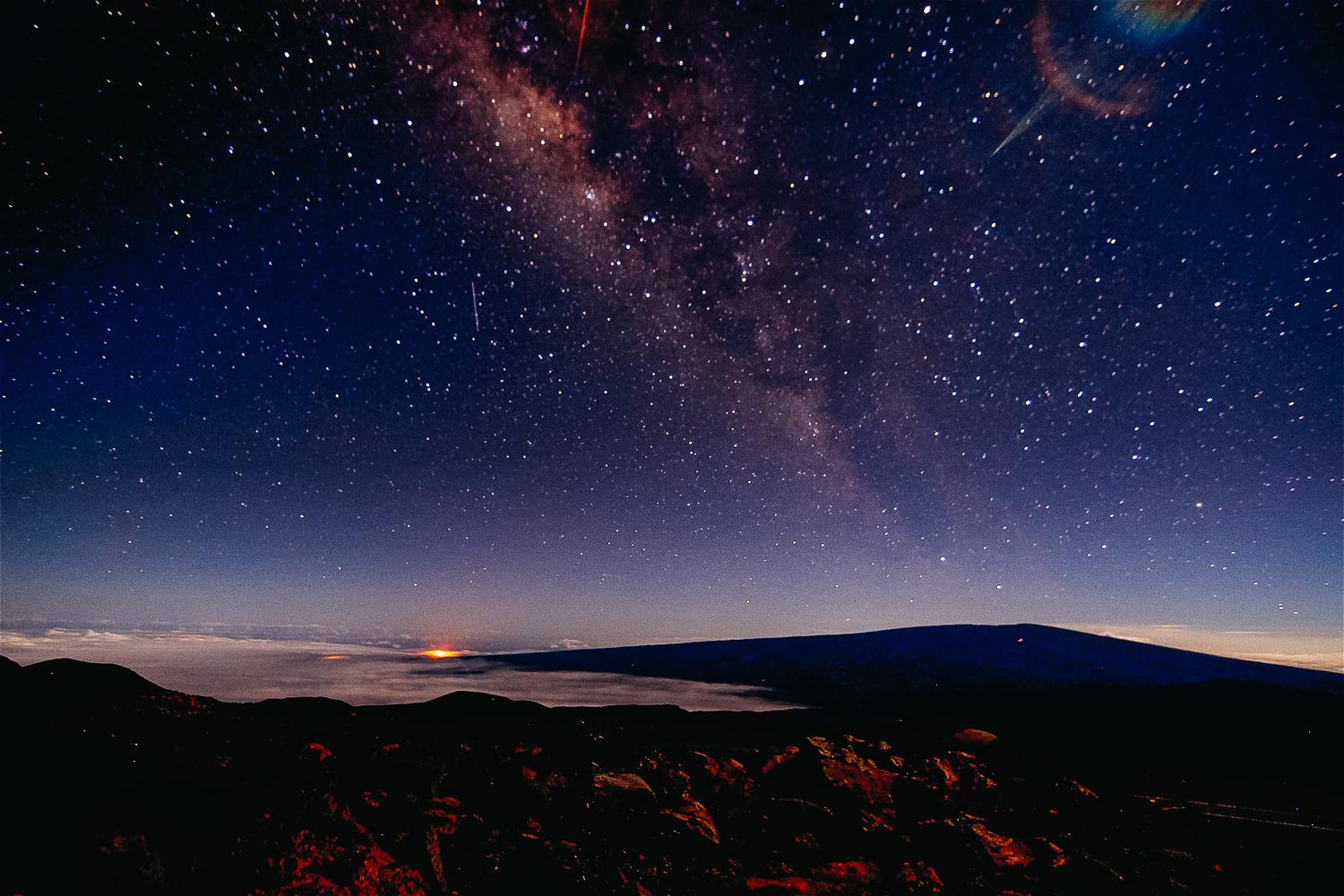
The summit observatories themselves remain restricted to research personnel, but guided tours position visitors at designated viewing areas equipped with portable telescopes. On clear nights, the Milky Way core stretches visibly overhead, and planets, nebulae, and star clusters appear in detail impossible to resolve from lower elevations. Winter months bring snow to the summit, occasionally closing the access road, while summer offers the most stable atmospheric conditions. The site remains one of the few places on Earth where professional-grade astronomical observation is accessible to guided public tours.

Measured from its Pacific seafloor base, Mauna Kea extends over 33,000 feet — taller than Everest.
Temperatures at the 9,200-foot Visitor Information Station drop significantly after sunset. Wear multiple warm layers, including a heavy jacket, long pants, and closed-toe shoes with good traction.
There are no formal security checkpoints at the Visitor Information Station. Travelers are advised to keep personal belongings secure inside their vehicles as parking areas are public.
Astrophotography is encouraged in designated areas around the Mauna Kea Stargazing Tours zones. Avoid using flash or bright white lights that disrupt the night vision of other visitors and researchers.
Children under 13 are strongly discouraged from venturing above the Visitor Information Station due to altitude safety. Families should supervise minors closely at all times in the viewing areas.
The Visitor Information Station offers paved areas for viewing, but terrain around the facility is rugged and uneven. Individuals with heart or respiratory conditions should consult a physician due to high-altitude factors.
No food service is provided at the Visitor Information Station, so visitors should carry sufficient water and snacks. Commercial Mauna Kea Stargazing Tours often include a picnic-style meal as part of their package.
Opening hours
09:00–21:00
Address
Maunakea Access Road, Hilo, HI 96720
Entry
0 USD (Free entry; no official gate fee.)
Arrival
17:30–20:30 — Arrive before sunset for acclimatization and stay for optimal stargazing conditions.
Storage
No public lockers available; bring only essential gear.
Assistance
Phone +1-808-934-4550
Most independent Mauna Kea Stargazing Tours offer full refunds for cancellations made at least 24 hours in advance. Always confirm specific operator terms regarding the 0 USD entrance fee and equipment rentals.
Recommended time
3-4 hours
Planning your visit within the 17:30–20:30 window allows for essential physiological acclimatization to the high altitude before total darkness arrives. Mauna Kea Stargazing Tours tours facilitate this transition, ensuring you are prepared for observation of the night sky without rushing. While Mauna Kea Stargazing Tours tickets are free, visitors should expect peak crowds during the sunset transition, so arriving early is advisable. Completing these Mauna Kea Stargazing Tours tour experiences typically takes several hours to fully appreciate the nocturnal environment before the 21:00 closing time.
Crowd levels through the day
Mauna Kea's summit has been sacred to Native Hawaiians for over a millennium, revered as the realm where sky father Wākea meets earth mother Papa. Ancient Hawaiians navigated by the stars visible from its 13,796-foot peak, using celestial knowledge passed through oral tradition. The mountain's name, meaning "white mountain," references the seasonal snow that crowns its dormant volcanic cone. Access remained restricted to ali'i and kahuna until Western contact in the late eighteenth century. Scientific interest began in 1964 when University of Hawaii astronomer John Jefferies identified Mauna Kea as an ideal observatory site. The summit offered more cloud-free nights than any competing location in the Pacific, paired with minimal light pollution and atmospheric turbulence. Construction of the first telescope began in 1968, funded by NASA and the Air Force. By 1970 the 88-inch UH telescope was operational, marking the transformation from cultural summit to research frontier. The Mauna Kea Visitor Information Station opened in 1983 at the 9,200-foot level, providing public access to astronomy education and acclimatization support for summit tours. Expansion accelerated through the 1990s as international consortia built thirteen major telescopes, including the twin Keck Observatory domes completed in 1993 and 1996. Each instrument required graded roads, power infrastructure, and permanent staffing, altering the summit's physical and spiritual landscape. Native Hawaiian groups filed legal challenges in 1998, arguing that further construction desecrated Mauna Kea's status as a wahi pana, or storied place. The controversy intensified in 2015 when protesters blocked construction of the Thirty Meter Telescope, resulting in a two-year standstill and renewed calls for summit restoration. Today Mauna Kea Stargazing Tours operate under agreements that balance research access with cultural stewardship. The visitor center offers nightly telescope programs using portable instruments, while summit access remains regulated by permit. Ongoing discussions between the University of Hawaii, the Office of Mauna Kea Management, and Native Hawaiian organizations continue to shape policies governing future use, with several aging telescopes scheduled for decommissioning by 2033.
Native Hawaiians use Mauna Kea's summit for celestial navigation and religious ceremony, restricting access to chiefs and priests.
University of Hawaii astronomer John Jefferies identifies Mauna Kea as the world's premier site for ground-based astronomy.
NASA-funded 88-inch telescope becomes operational, establishing Mauna Kea as an active research observatory.
Mauna Kea Visitor Information Station opens at 9,200 feet, offering public stargazing programs and altitude acclimatization.
Twin Keck Observatory domes are completed, featuring the world's largest optical telescopes at the time.
Protesters block Thirty Meter Telescope construction, sparking international debate over indigenous land rights and scientific development.
New management agreements prioritize cultural consultation and mandate decommissioning of older telescopes by 2033.
Position your tripod on the lower viewing platform for a stable base to capture the silhouette of the mountain against the twilight. This is a popular hub for those booked on Mauna Kea Stargazing Tours to frame the horizon before darkness falls.
Wander the area around the stone structures to capture foreground textures that contrast with the distant celestial light. As you wait for your Mauna Kea Stargazing Tours tour to begin, this vantage point provides excellent scale.
Focus your lens on the iconic white domes as they reflect the final rays of the day. Many enthusiasts seek these Mauna Kea Stargazing Tours tickets to secure proximity to these scientific landmarks for their composition.
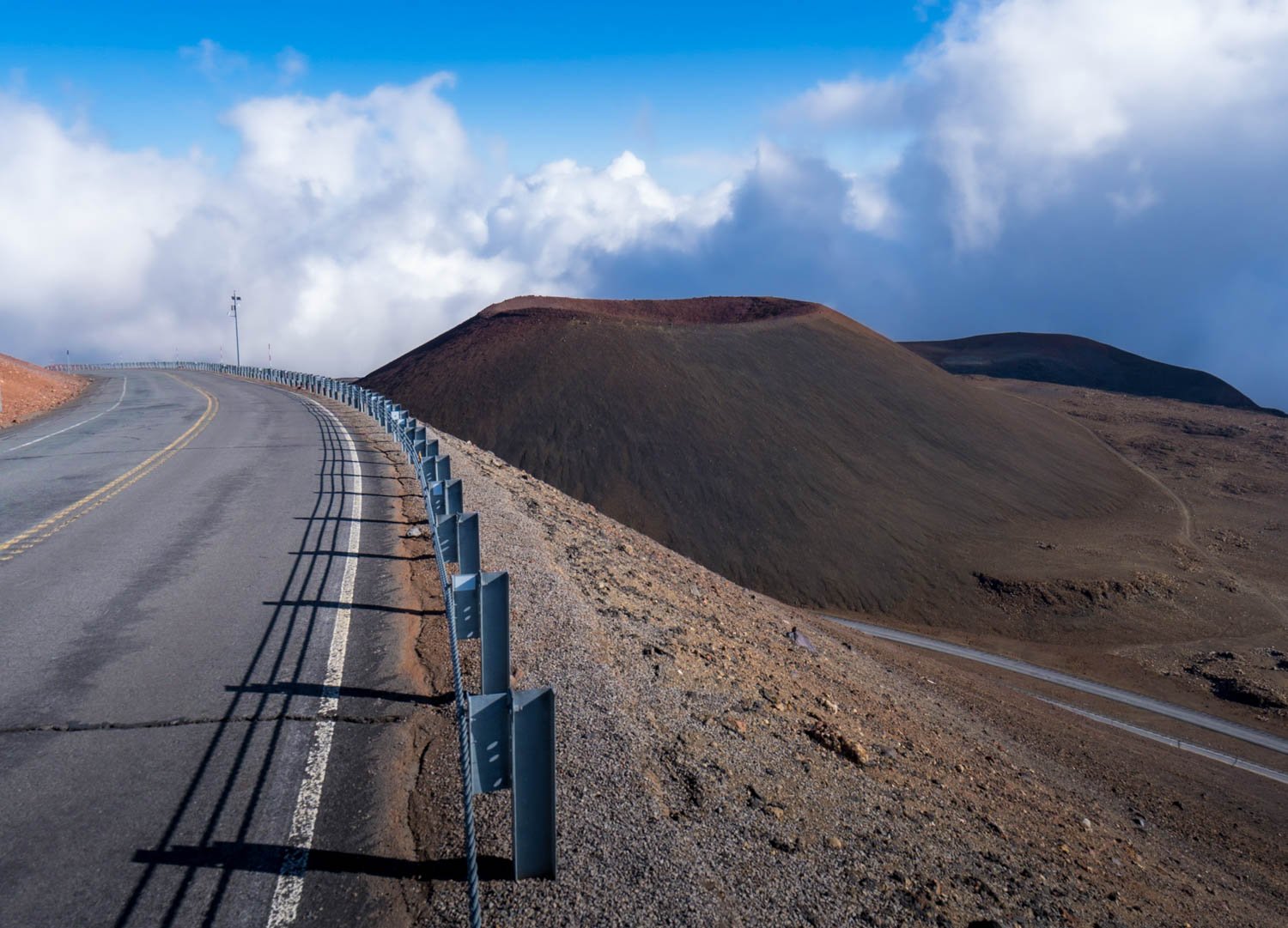
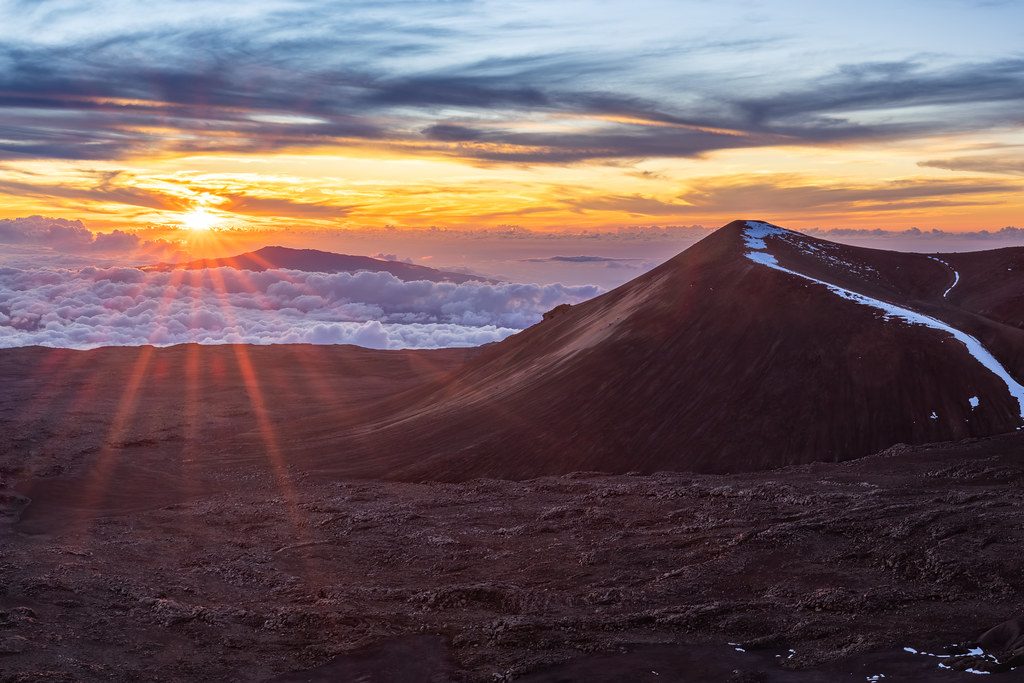
Pull over safely at established gravel areas to capture the expansive volcanic landscape stretching toward the observatories. This angle offers a dramatic perspective of the elevation gain often discussed during a guided Mauna Kea Stargazing Tours excursion.
Planning a visit to Mauna Kea Stargazing Tours requires careful consideration of extreme altitude and safety requirements for younger members of your party. While the mountain offers an educational journey through the cosmos, high-elevation risks necessitate strict adherence to health guidelines.
Children under 13 years of age are not permitted to travel to the summit due to the significant risk of permanent damage from high-altitude exposure.;Altitude Safety
Real experiences from real travelers
Our guide positioned the telescope on Saturn and the rings were razor-sharp even at 13,800 feet. The summit air was thin but the lack of light pollution made every constellation visible. Dress in serious layers because the temperature dropped to freezing after sunset.
We stopped at the visitor center for an hour to acclimate before continuing to the summit for the star program. Seeing the Andromeda Galaxy with the naked eye was surreal. The volcanic cinder under our feet crunched with every step as we moved between telescope stations.
The tour provided parkas and gloves which we absolutely needed on the summit in June. Our astronomer guide explained how Mauna Kea's elevation places it above 40% of Earth's atmosphere. We observed nebulae, star clusters, and Mars through a 14-inch Dobsonian telescope.
The thin air at the summit made walking between observation points tiring. Views of the Milky Way core were exceptional and the laser pointer constellation tour was helpful. Bring your own snacks because the summit has no facilities.
Our Mauna Kea stargazing experience began at sunset with views across the cloud layer. Once full darkness arrived the guide walked us through deep-sky objects including the Ring Nebula and Hercules Cluster. The summit observatories added to the sense of standing at the edge of discovery.
Clear protocols for altitude safety and excellent telescope optics. We saw Jupiter's Great Red Spot and four of its moons in perfect focus. The guide's knowledge of Hawaiian navigation traditions and Western astronomy created a rich context for the night sky.
Temperature at the summit was around 28°F but the provided gear kept us comfortable during the two-hour observation session. The Milky Way stretched overhead like a glowing river. Mauna Kea Stargazing Tours delivered exactly what was promised with zero light interference.
We observed the Moon's craters in extraordinary detail and then shifted to deep-sky objects as darkness deepened. The summit cinder cones and observatories created a lunar landscape around us. Our guide adjusted the telescope smoothly between targets throughout the session.
The drive up through ecological zones was dramatic and the summit air was noticeably thin. Once acclimatized we spent ninety minutes viewing star clusters, binary stars, and distant galaxies. Mauna Kea's summit is a true portal to deep space.
The telescopes were well-maintained and the guide explained both the mechanics of observation and the science behind each object. Summit winds were moderate but the cold was intense. Bring extra layers beyond what the tour provides if you run cold.
Everything you need to know for your journey
Due to altitude risks, most operators of Mauna Kea Stargazing Tours require a minimum age of 13. High elevation can be dangerous for young children, so please prioritize safety first.
Wear multiple warm, layered clothes including a parka and gloves, as nighttime temperatures frequently drop near freezing for all Mauna Kea Stargazing Tours.
Entry to the visitor area is 0 USD, though guided Mauna Kea Stargazing Tours tickets typically range from 150 to 330 USD.
The site is located on Maunakea Access Road in Hilo, HI 96720. Many Mauna Kea Stargazing Tours provide transportation from major island hubs.
Many Mauna Kea Stargazing Tours include a summit sunset experience, but stargazing itself is conducted at a safer, lower elevation near the visitor center.
For the best experience, arrive between 17:30–20:30 to allow for proper altitude acclimatization before your Mauna Kea Stargazing Tours activity begins.
Yes, photography is welcome, though you should avoid bright white lights or flash during Mauna Kea Stargazing Tours to protect everyone's night vision.
While possible, it is recommended to book your Mauna Kea Stargazing Tours in advance as spots fill up, especially during peak seasons.
Public restrooms are available at the Visitor Information Station, though they are subject to water availability and may have limited hours.
Join thousands of happy travelers who have discovered this incredible experience
Book Your Experience Now