7 hr 30 min
Mauna Kea Summit Sunset & Stargazing Adventure
- Expert local guide
- Small group
- Skip-the-line access
- Free cancellation
Mauna Kea Stargazing Tour From Hilo — Summit Sunset & Celestial Viewing
Watch the sun drop below the Pacific, then chart the southern cross through high-altitude telescopes
Compare fares, pick the fit — all bookings are mobile-voucher and eligible for free cancellation where shown.
7 hr 30 min
6 hr
7 hr
Planning a mauna kea stargazing tour from hilo requires choosing between independent travel to the Visitor Information Station or booking a guided excursion for summit access. Visitors should evaluate their comfort with high-altitude environments and specialized vehicle requirements before finalizing their plans.
|
Top pick Independent Visit Mid-Level Access |
Guided Tour Summit Access | |
|---|---|---|
| Elevation | 9,200 ft (2,804 m) | 13,000+ ft (4,000+ m) |
| Vehicle Requirement | Standard vehicle allowed | 4WD vehicle required |
| Stargazing Type | Laser-guided public session | Telescope-assisted expert tour |
| Best for | Budget-conscious first-timers | Full-service summit explorers |
| Wait/Acclimatization | 30+ minutes required | Built-in acclimatization stops |
| Includes | Exhibits and parking | Transportation and warm gear |
| See tickets & prices |
Verdict: Choose the independent mauna kea stargazing tour from hilo option for a flexible budget-friendly evening at the visitor station, or book a guided mauna kea stargazing tour from hilo tickets for professional summit access.
Worth it for accessible summit stargazing
A mauna kea stargazing tour from hilo removes the logistical burden of driving a steep 13,796-foot summit road yourself, providing transport, cold-weather gear, and expert interpretation of the night sky from one of Earth's premier observation sites. Tours range from summit sunset packages to combined volcano itineraries, with prices typically between $200–$250 per person for the core stargazing experience. The value proposition centers on access—guides handle altitude acclimatization stops, navigate the unpaved summit access road, and position high-powered telescopes on celestial objects invisible to the naked eye. Atmospheric clarity at the summit, above 40% of Earth's atmosphere, delivers views of the Milky Way core, planetary detail, and deep-sky objects that justify the investment for anyone serious about astronomy or lacking a 4WD vehicle and summit driving experience. For visitors prioritizing convenience and educational depth over DIY adventure, Mauna Kea tours offer a structured path to world-class stargazing.
Bottom line: If you lack summit driving confidence or want guided astronomy rather than solo observation, mauna kea stargazing tour from hilo tickets deliver reliable access to one of the planet's darkest skies.
They complement each other; most visitors who do both call the guided mauna kea stargazing tour from hilo the more thrilling, while the Visitor Information Station offers superior flexibility.
|
Top pick Guided Tour |
Visitor Station (DIY) | |
|---|---|---|
| Summit Access | Included (with 4WD van) | Not allowed (4WD required) |
| Transportation | Professional shuttle provided | Your own rental vehicle |
| Acclimatization | Managed by guides | Self-paced required |
| Equipment | Parkas and gloves included | Bring your own warm gear |
| Telescope Access | Professional astronomer-led | Public telescope sessions |
| Price | 150–330 USD (varies) | 0 USD (free entry) |
| Difficulty | Low (stress-free) | High (steep gravel driving) |
| Best for | Convenience and summit access | Budget and schedule flexibility |
| See tickets & prices |
Verdict: If your budget allows, a mauna kea stargazing tour from hilo provides the safest and most comprehensive experience, whereas the Visitor Station is the perfect choice for independent travelers seeking a casual, cost-effective night of stargazing.
Hand-picked experiences loved by thousands of travelers
8 hours
Free Cancellation
Ascend to Hawaii's highest peak for sunset views, then explore deep space through professional telescopes
10 hours
Free Cancellation
Full-day journey from Kona's coffee farms to erupting craters and night skies under Mauna Kea's stars
5 hours
Free Cancellation
Journey from historic Hilo landmarks to the fiery heart of Hawaii Volcanoes National Park
7 hours
Free Cancellation
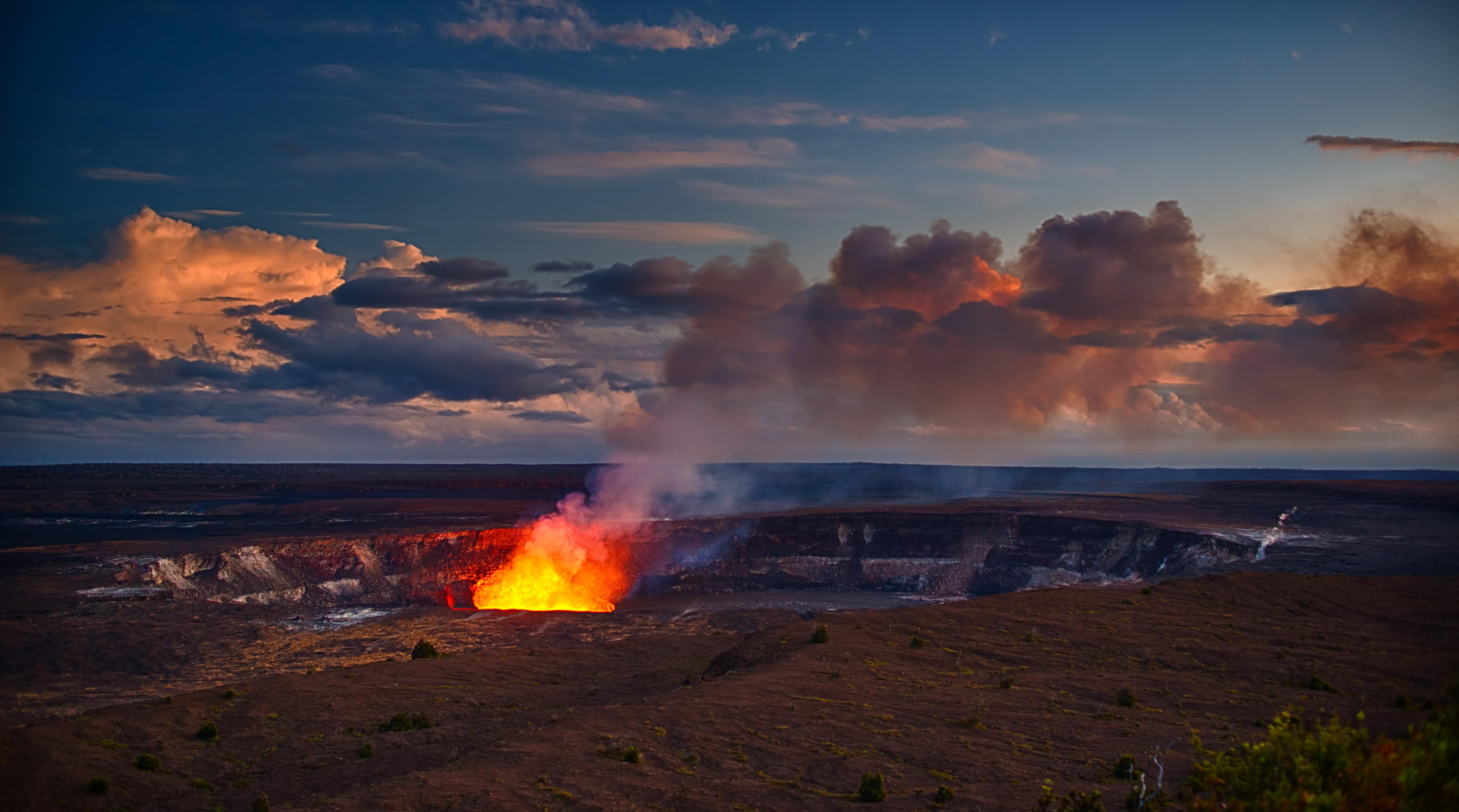
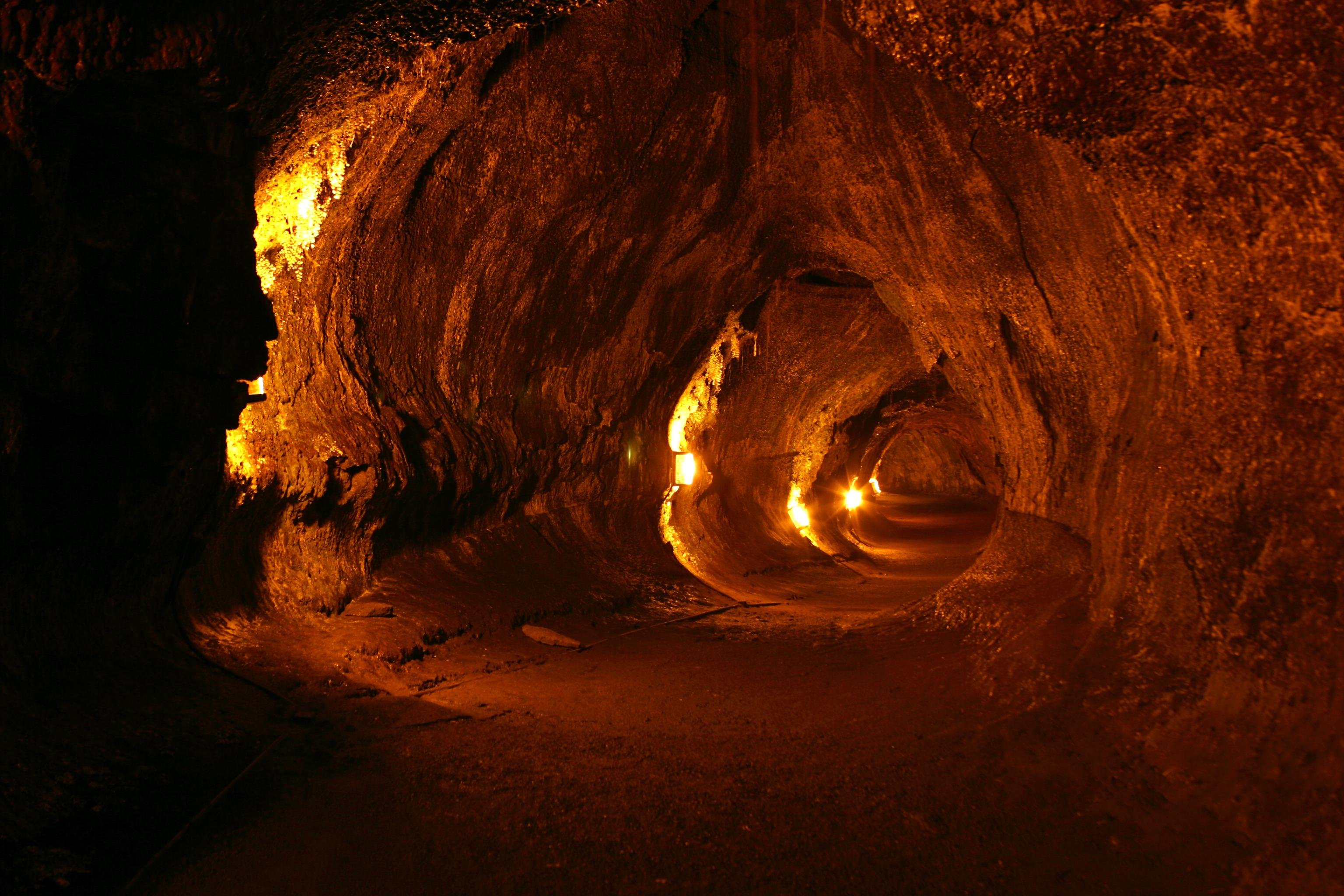
Witness Kilauea's active crater, walk through a lava tube, and spot sea turtles on black sand shores
11 hours
Free Cancellation
Journey across Hawaii's diverse landscapes from thundering cascades to active volcanic craters
6 hours
Free Cancellation
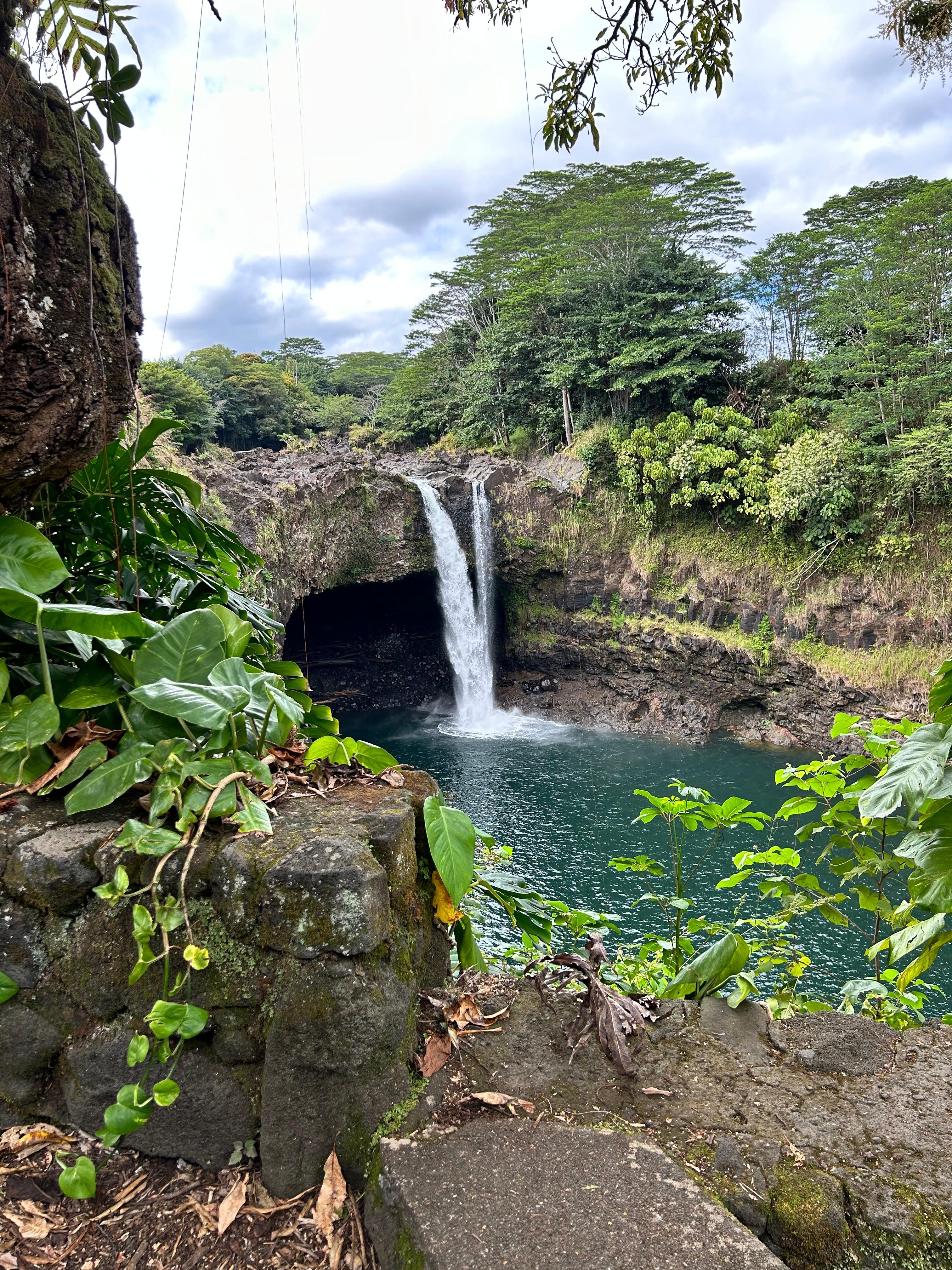
Journey through volcanic landscapes, lava formations, and tropical waterfalls on Hawaii's Big Island
8 hours
Free Cancellation
Journey through cascading waterfalls, volcanic craters, and rainforest trails on an 8-hour exploration
7 hours
Free Cancellation
Journey through active volcanic landscapes, lush rainforest roads, and rare tri-colored beaches on this immersive day tour.
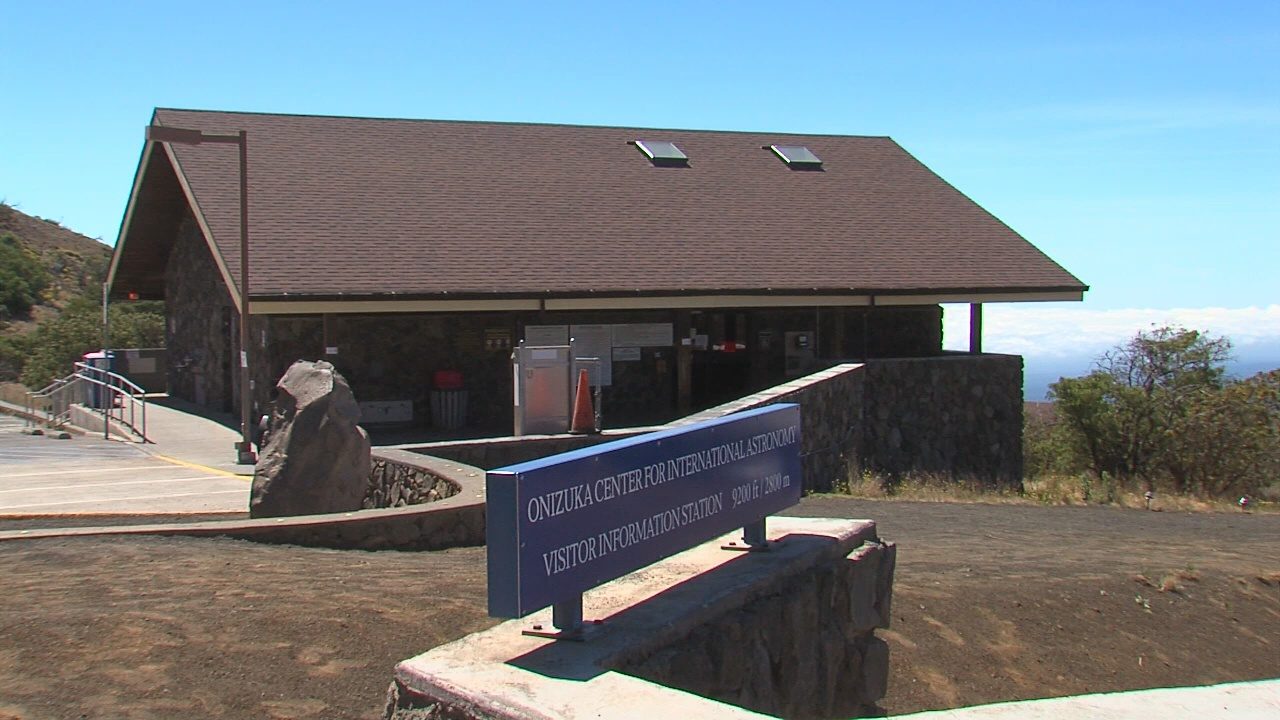
The primary hub for altitude acclimatization and public stargazing programs located at 9,200 feet.
A challenging hiking path starting from the station that explores the unique volcanic terrain of the mountain.
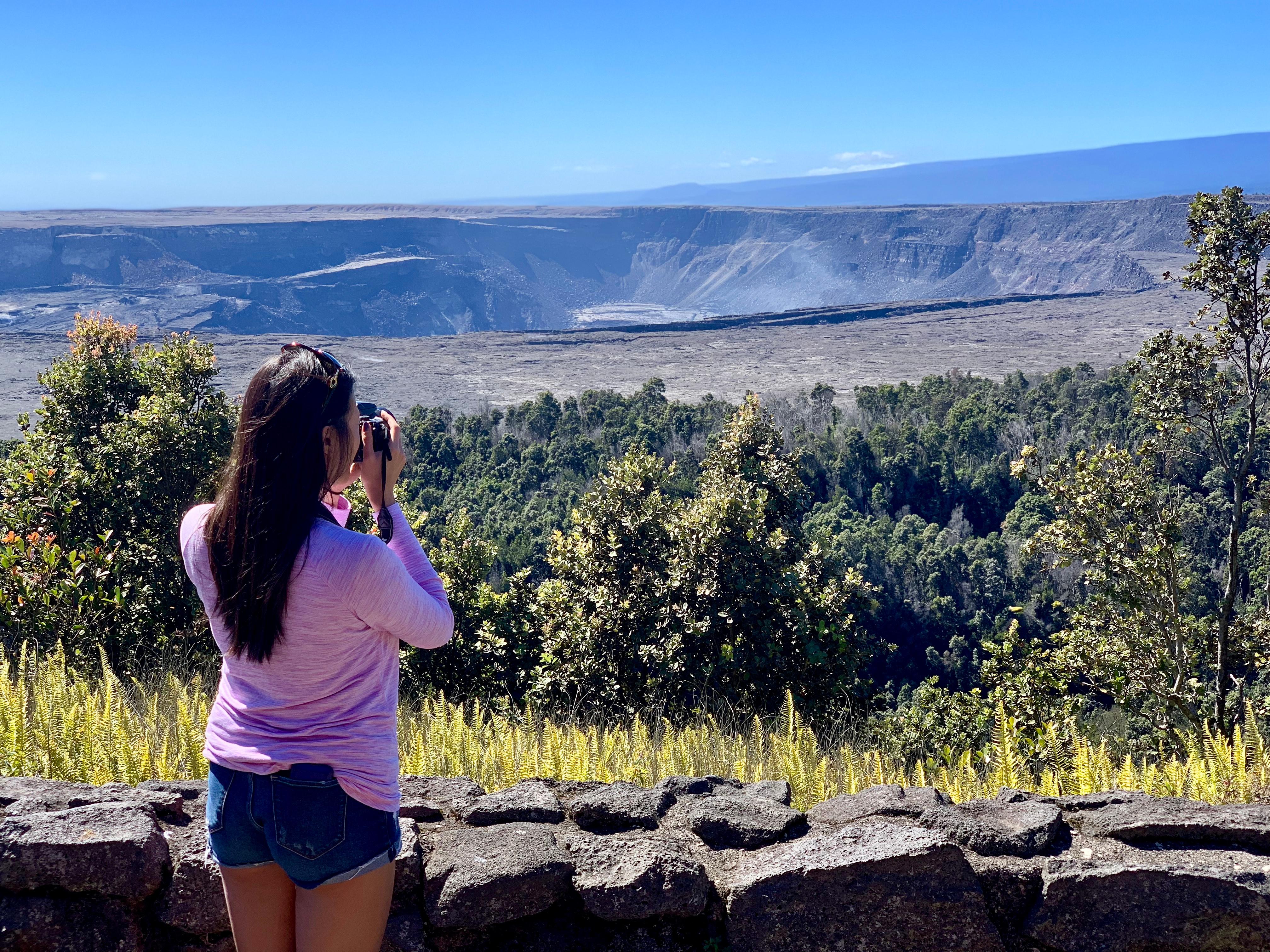
Provides sweeping views of the volcanic landscapes and the distant observatories atop the summit.
Small gift shop offering educational materials, astronomy books, and warm apparel for high-altitude conditions.
A site of deep cultural and spiritual significance to Native Hawaiians residing on the mountain slopes.
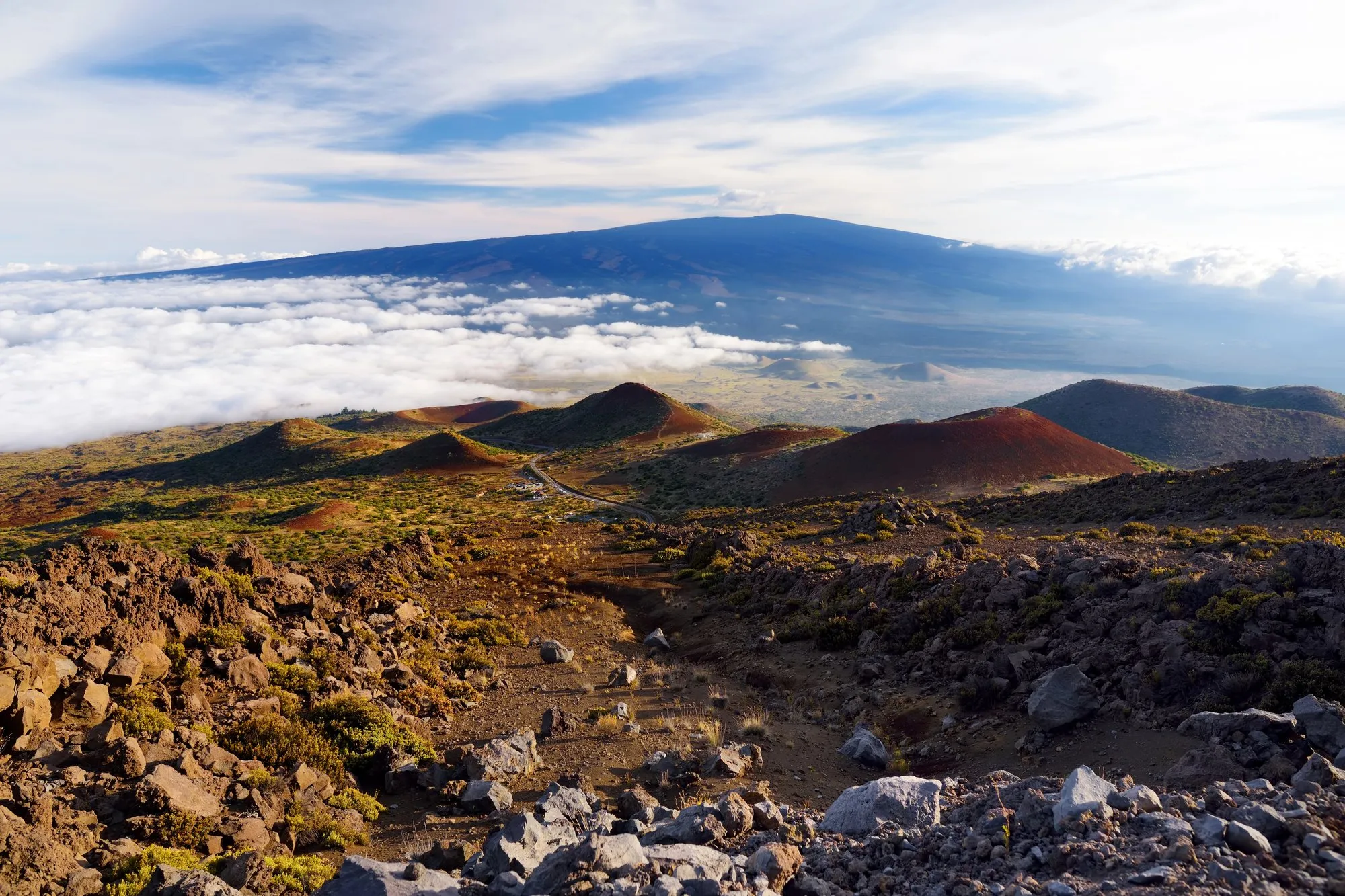
You depart Hilo in late afternoon, winding through eucalyptus groves and cattle pastures as the road climbs Saddle Road toward the volcanic plateau.
At the 2,800-meter Visitor Information Station, your guide distributes parkas and allows an hour for acclimatization—enough time to walk the short trail behind the station and watch the sun angle toward the ocean. The air thins noticeably; you breathe deeper, move slower.
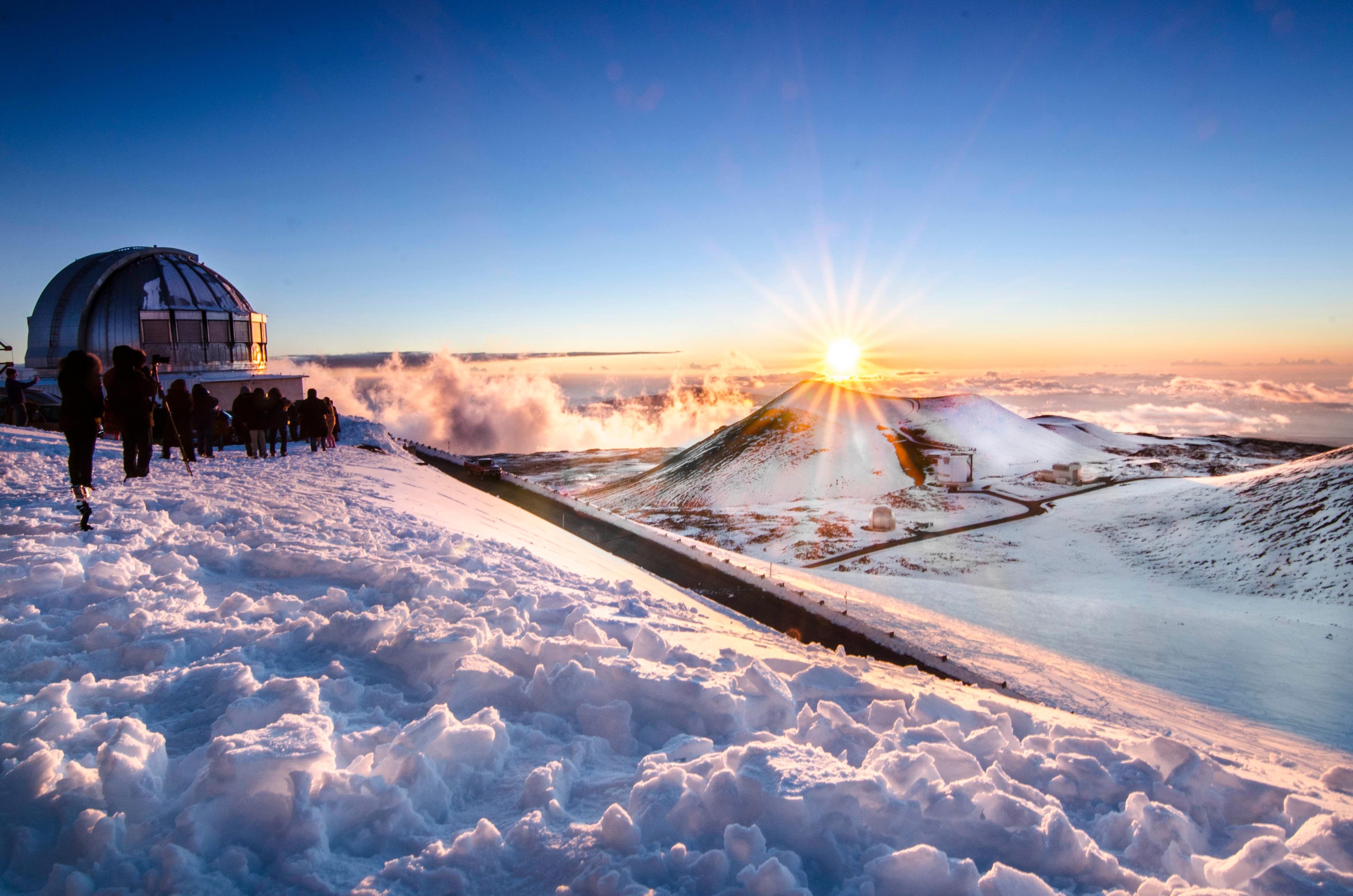
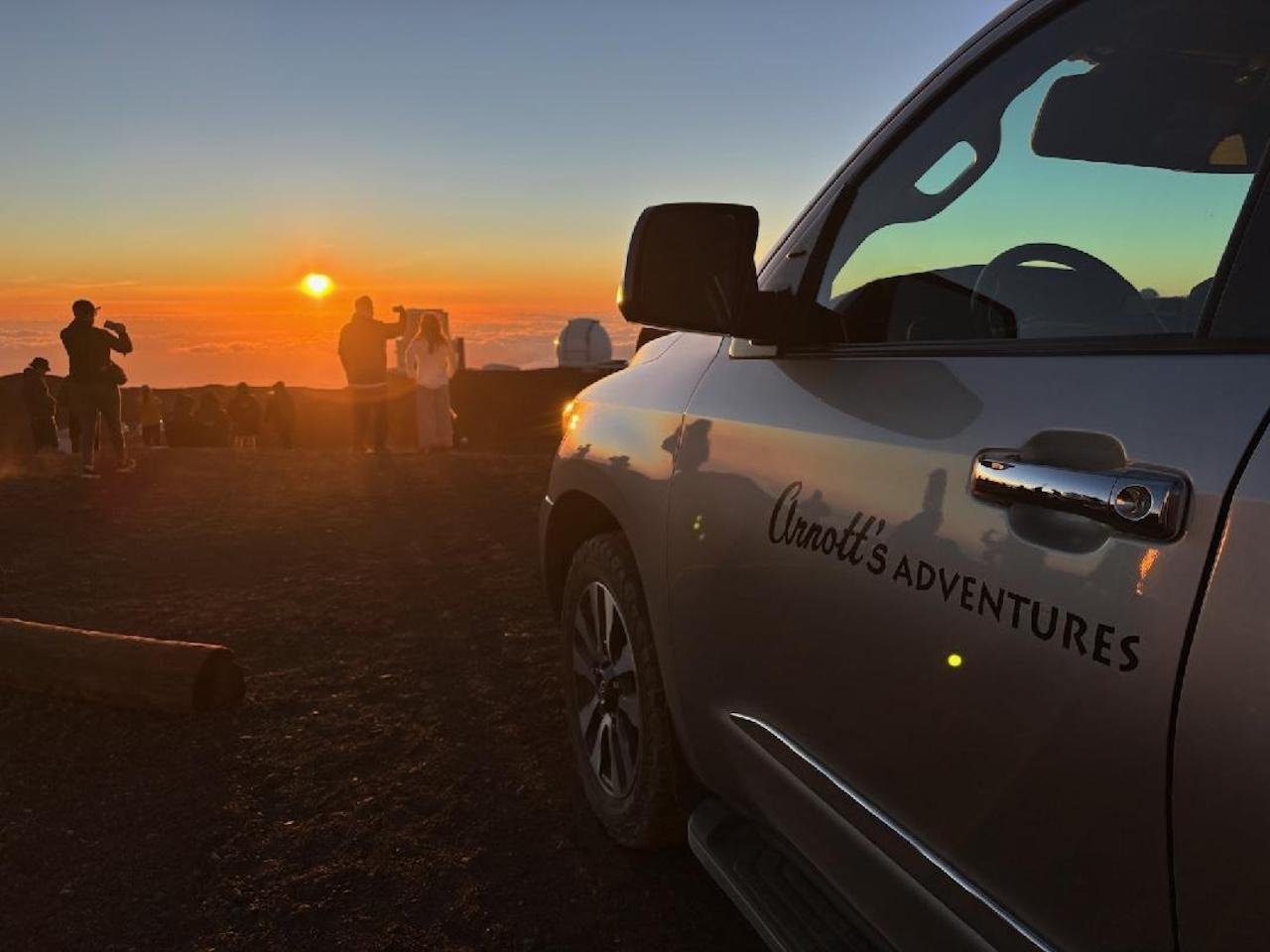
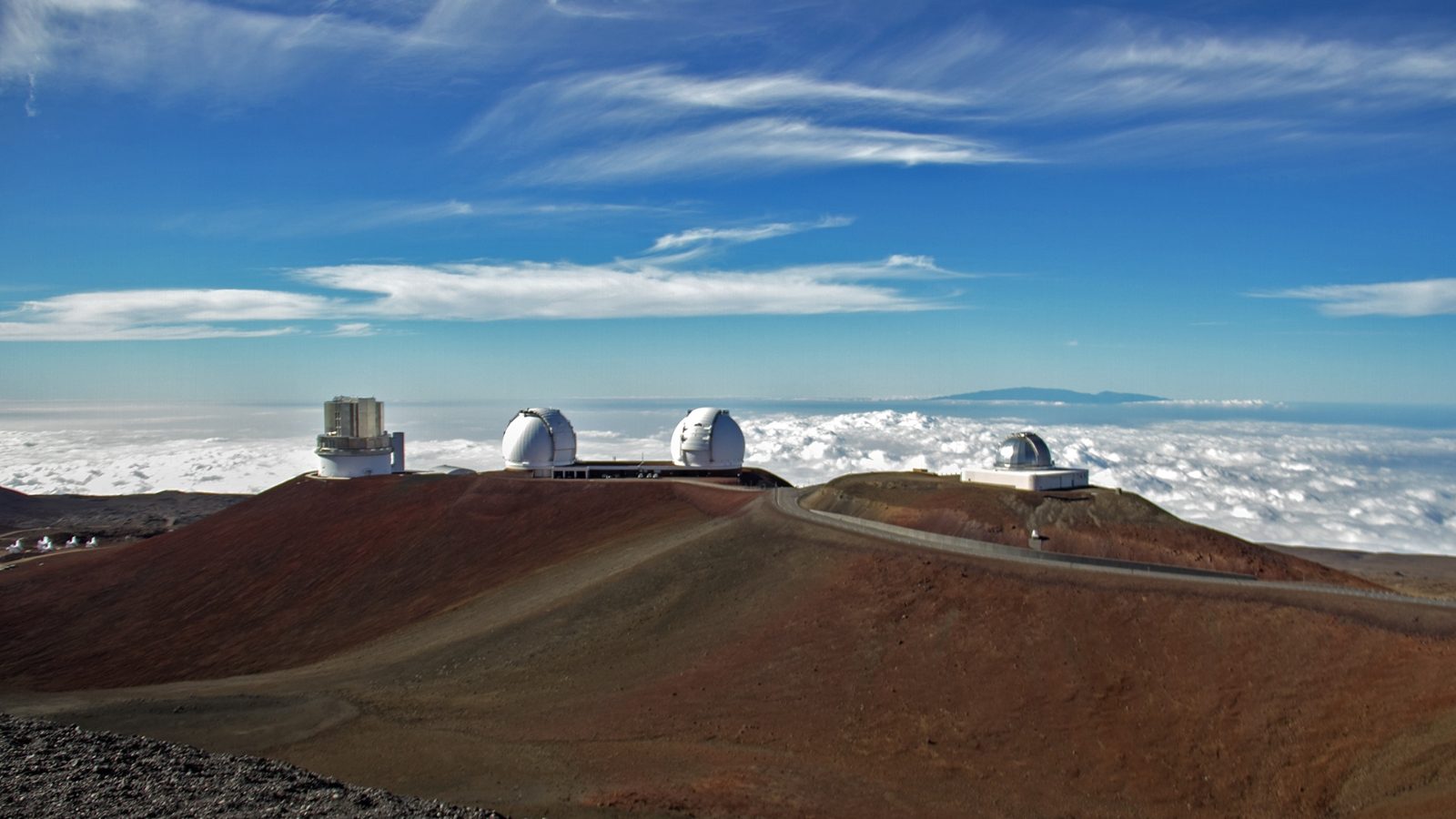
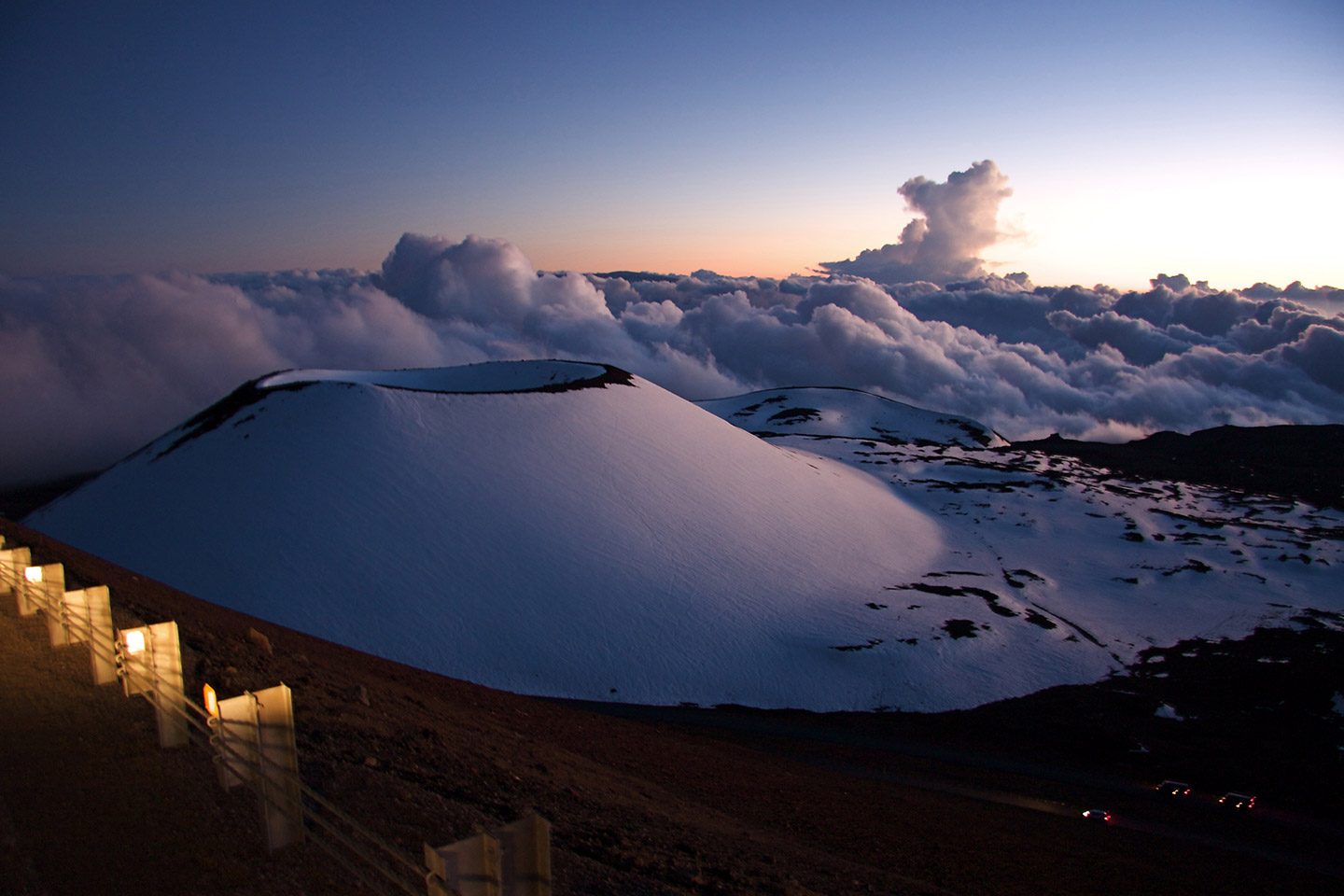
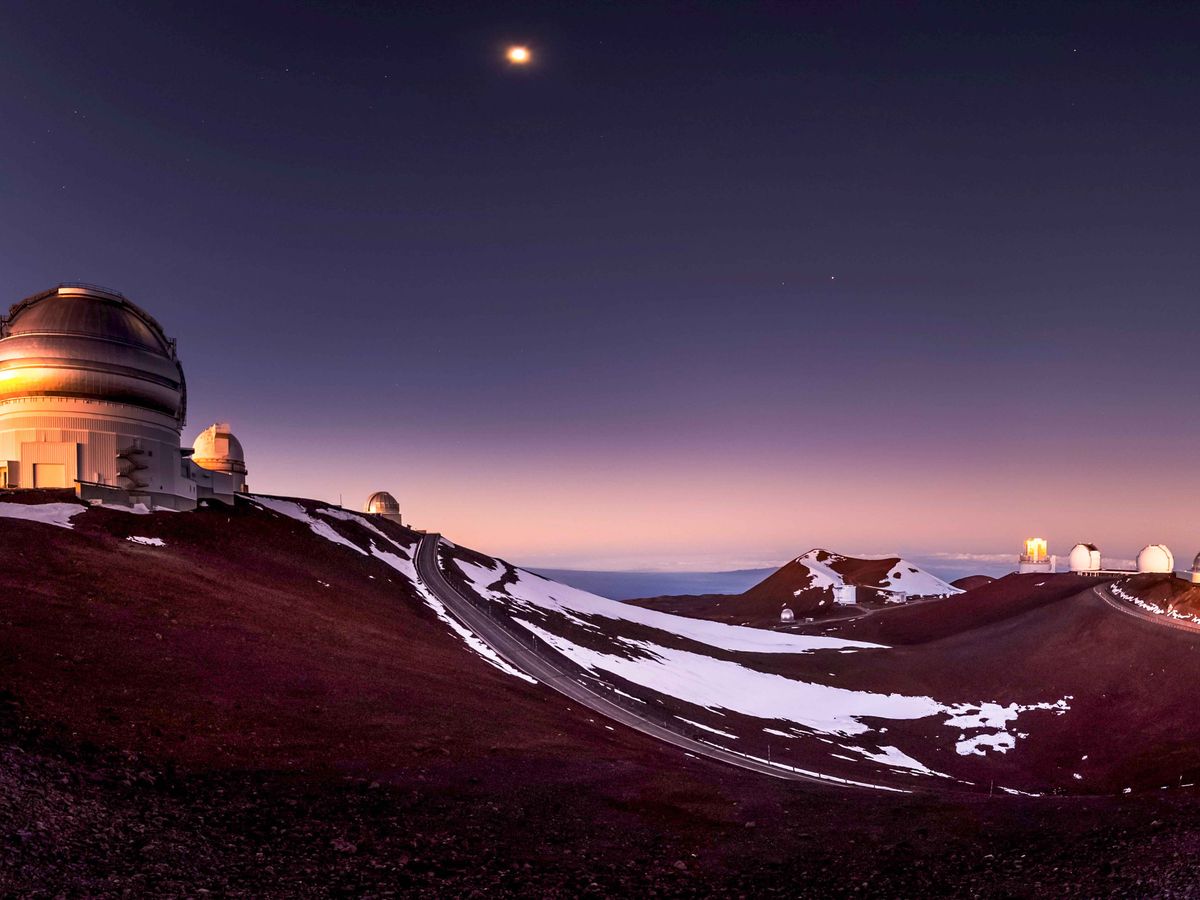
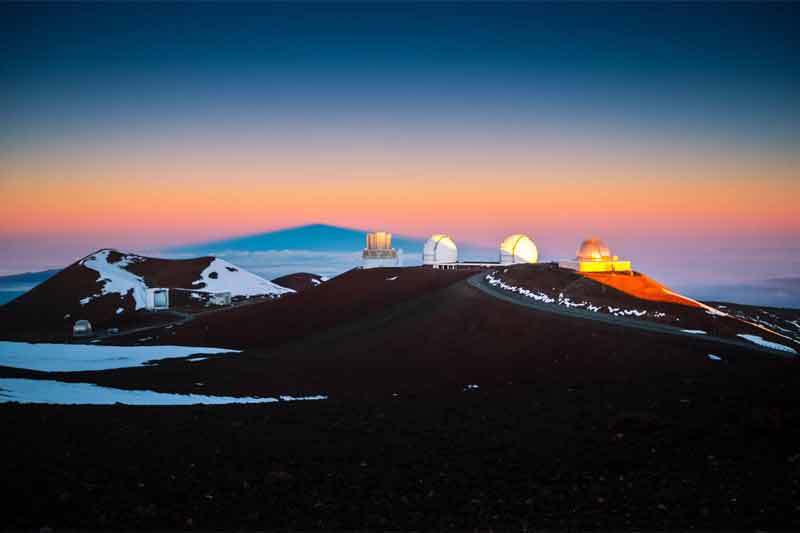
The convoy pushes upward on the unpaved summit road, switchbacking through cinder fields painted rust and ochre. At 4,207 meters, you step out into air so cold it stings your throat. The sun drops fast here, compressing twilight into fifteen minutes of saturated color—magenta bleeding into violet, then indigo. Clouds far below form a white sea, their tops glowing amber. You photograph the observatories, their domes catching the last light.
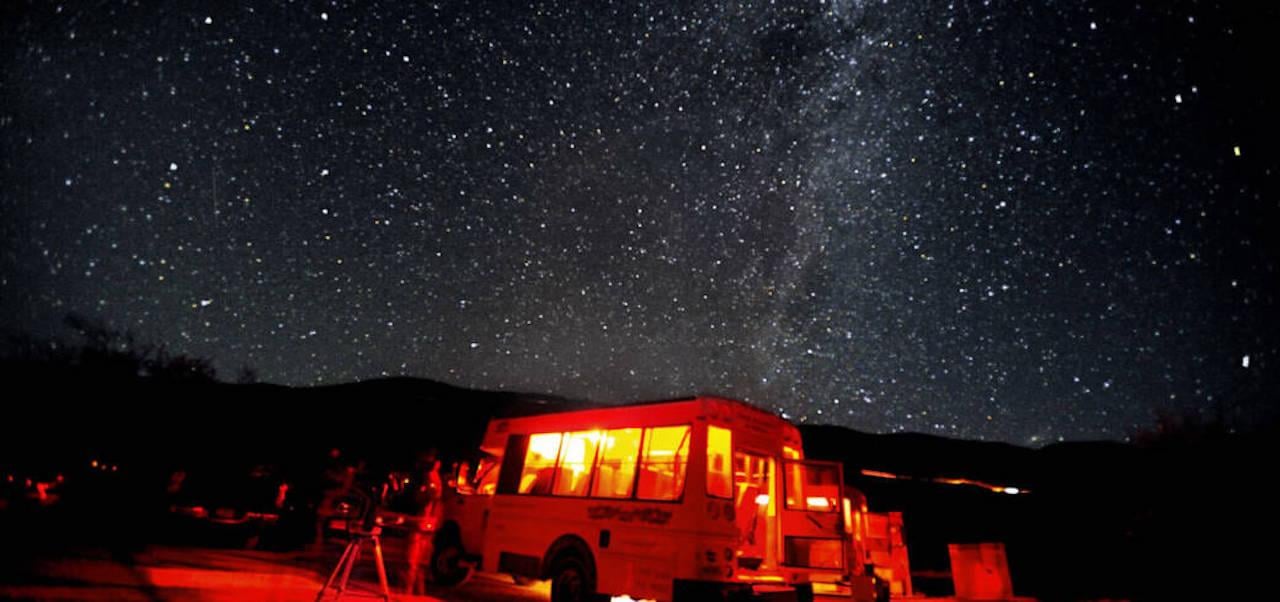
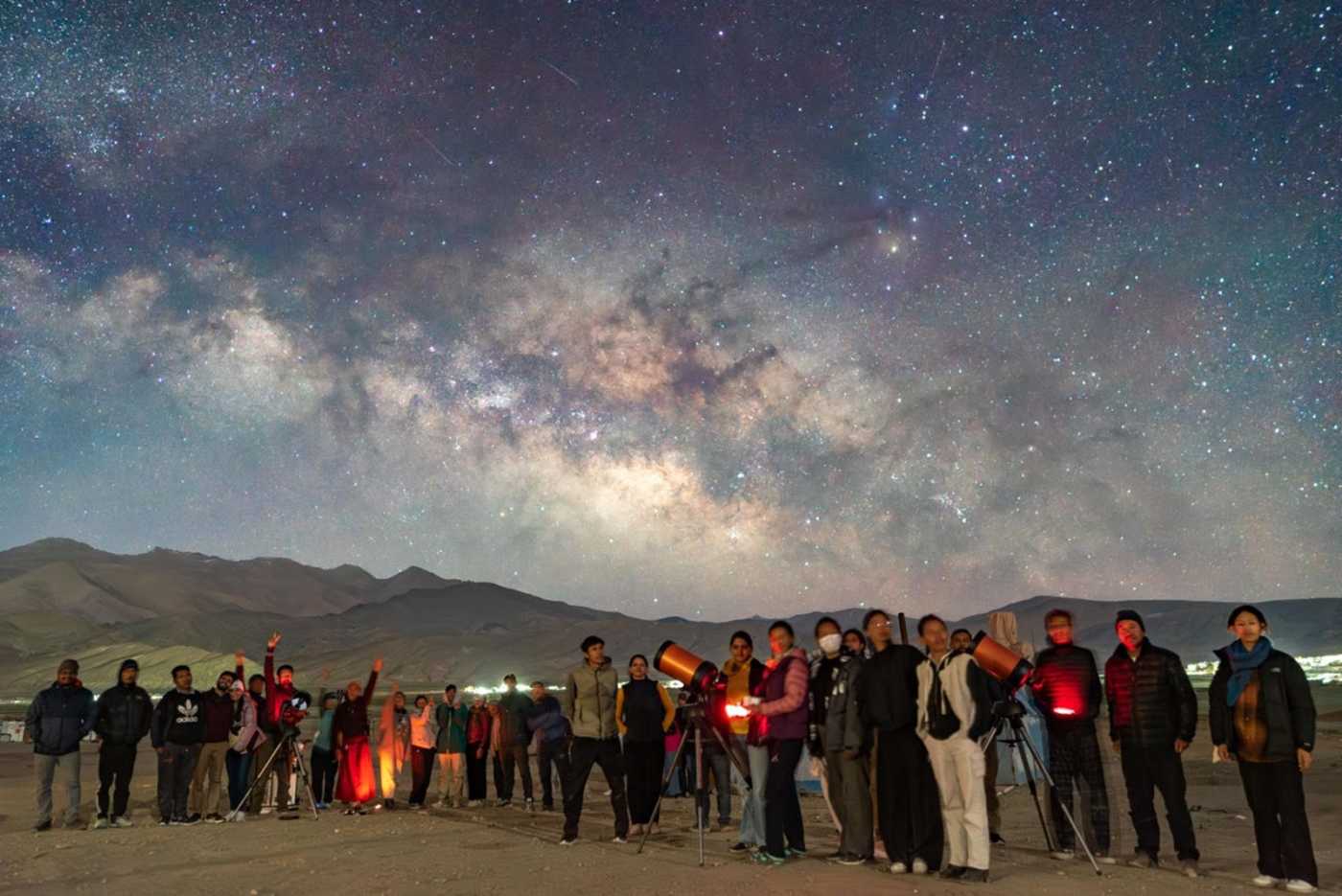
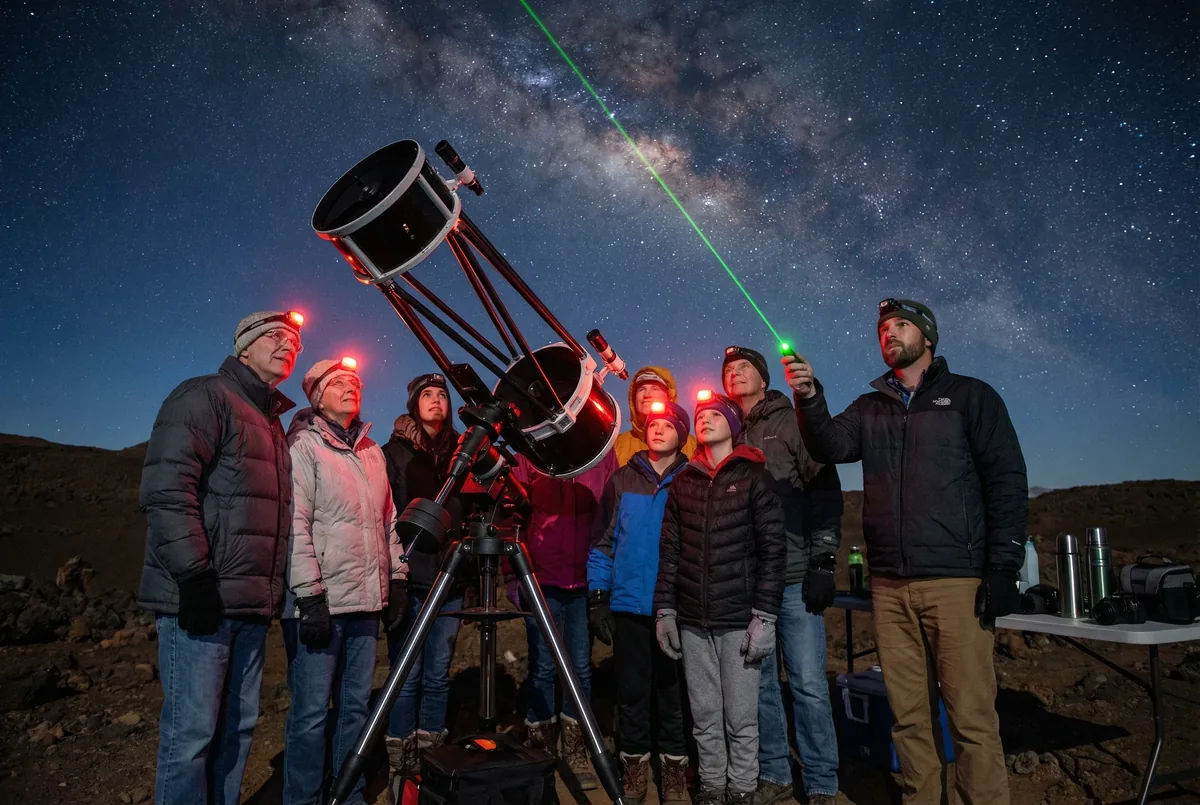
Back at the Visitor Information Station, your guide sets up a Dobsonian telescope and aims it at Saturn. Through the eyepiece, the planet floats in black space, its rings sharp enough to count the Cassini Division. Jupiter follows, its four Galilean moons arranged in a line. You rotate between telescopes, each trained on a different target: the Andromeda Galaxy, the Orion Nebula, a double star system where one sun orbits another. Above you, the unaided sky reveals the southern cross, a constellation invisible from most of the mainland United States.
All the details about your upcoming adventure in one place
At 4,207 meters above sea level, Mauna Kea's summit sits above 40 percent of Earth's atmosphere and 90 percent of its water vapor, creating the clearest night sky in the Northern Hemisphere.
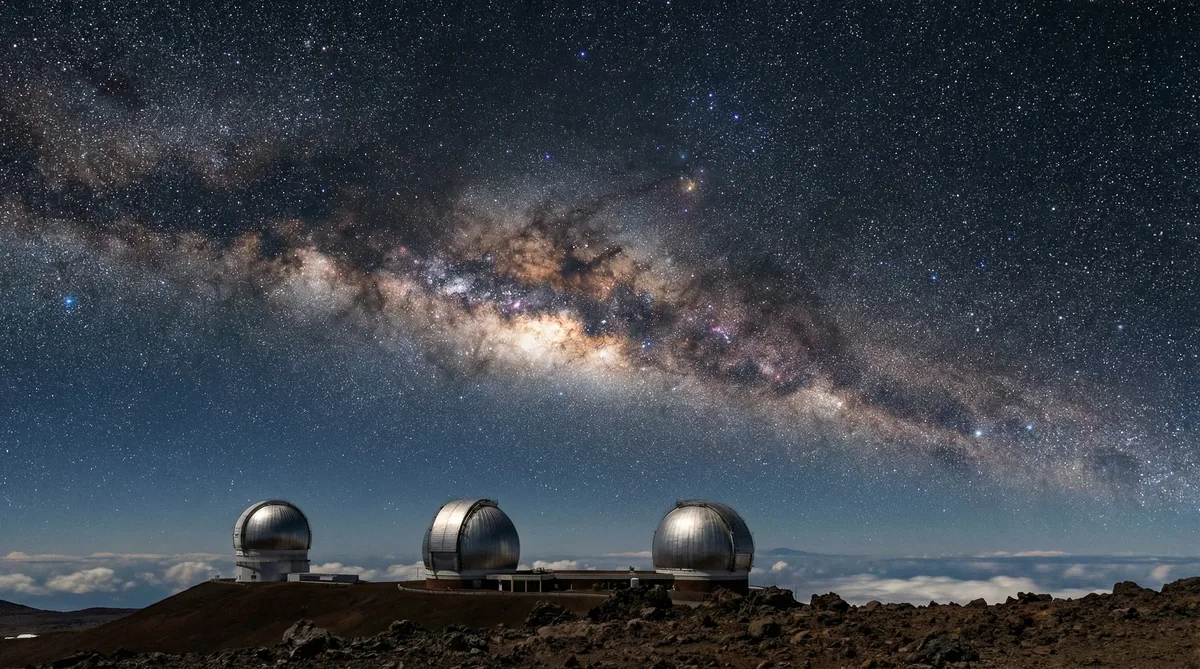
Thirteen observatories crown the dormant volcano's peak, their white domes housing some of the world's most powerful optical and infrared telescopes. The W. M. Keck Observatory alone operates twin 10-meter mirrors, each composed of 36 hexagonal segments weighing 14.4 tons.
The mountain's name translates to "white mountain" in Hawaiian, a reference to the seasonal snow that blankets its summit during winter months. Native Hawaiians have long considered Mauna Kea sacred, the meeting point of earth and sky where the gods descended. Archaeological evidence traces human presence here to AD 1000, when Hawaiians journeyed to the summit to quarry dense basalt for adze blades. Modern astronomy arrived in 1968 when the University of Hawaii established its first telescope at the 2,800-meter Visitor Information Station, midway up the volcanic slope.
Today, Mauna Kea represents the intersection of indigenous stewardship and cutting-edge science. The summit's altitude, stable atmosphere, and distance from light pollution allow astronomers to capture images of distant galaxies formed billions of years ago. Visitors ascending from Hilo traverse five climate zones in a single evening, passing through tropical rainforest, alpine shrubland, and finally the barren cinder desert of the summit plateau. The temperature drops roughly 3 degrees Celsius for every 300 meters of elevation gained.
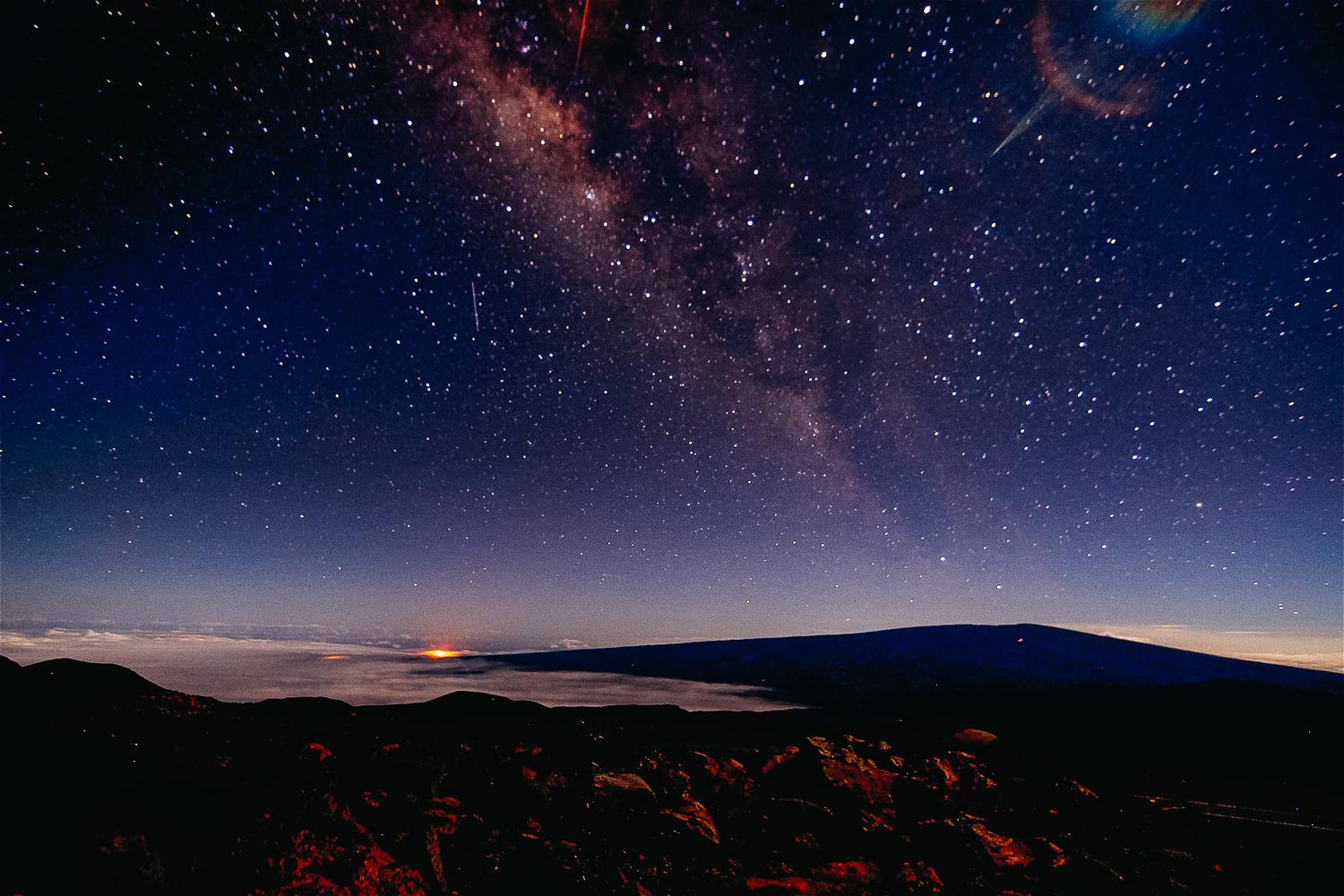
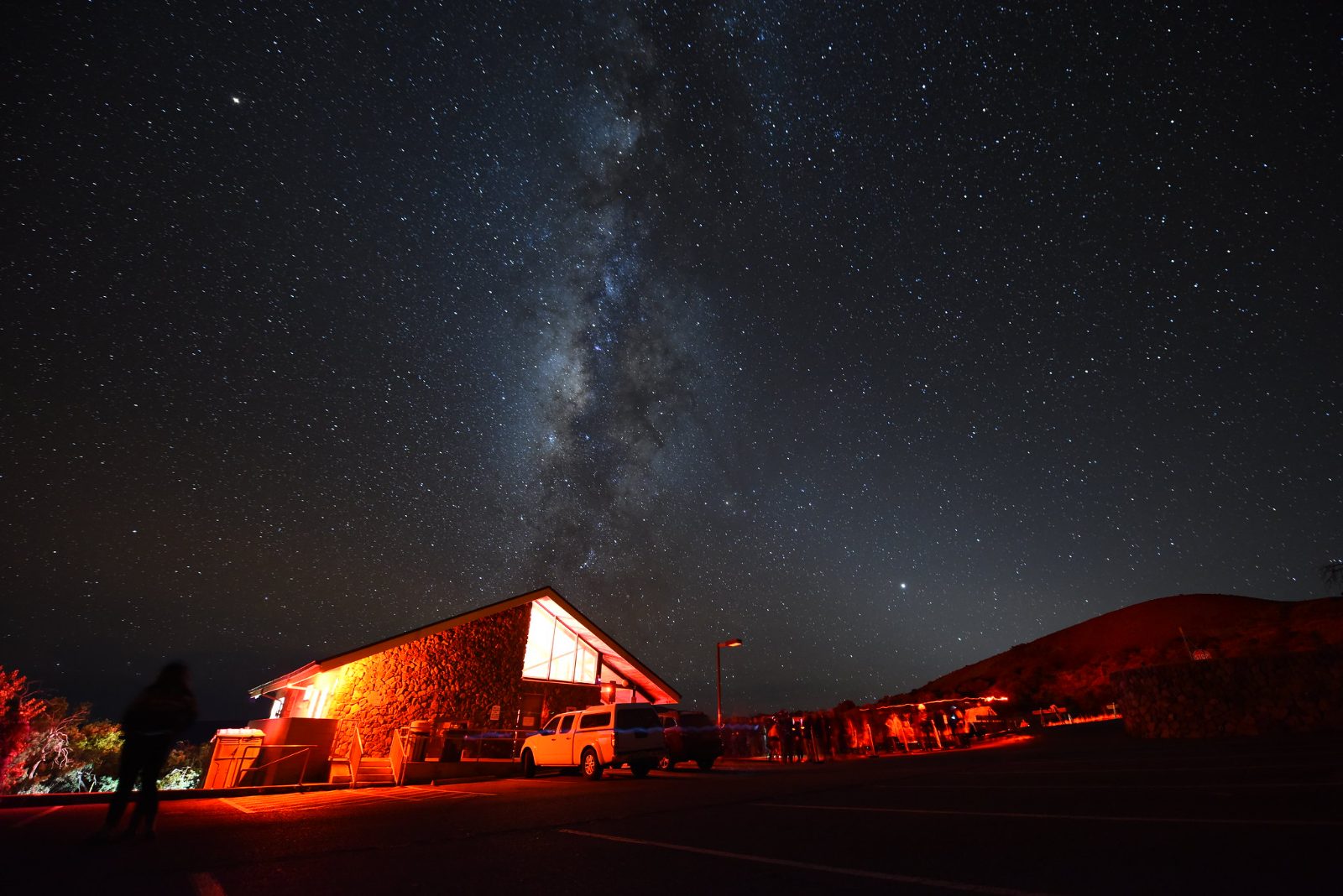
A mauna kea stargazing tour from hilo typically includes a sunset viewing from the summit, followed by telescope observation at the Visitor Information Station. Tour operators provide parkas and hot beverages, essential at the freezing summit where oxygen levels sit at 60 percent of sea level. The volcanic cinder absorbs heat during the day and radiates it after dark, creating thermal currents that can blur telescope images. For this reason, serious stargazing occurs at the lower elevation station, where the atmosphere is denser and optics remain stable. On moonless nights, the Milky Way's galactic core stretches from horizon to horizon, and planets appear as luminous discs rather than points of light.

On moonless nights, the Milky Way's galactic core stretches from horizon to horizon, and planets appear as luminous discs rather than points of light.

Wear multiple warm layers, including a heavy jacket, beanie, and gloves, as temperatures at 9,200 feet are significantly colder than at sea level. Sturdy, closed-toe shoes are recommended for the volcanic terrain.
Personal bags are permitted but should be kept minimal as you will need to acclimatize. There is no formal security screening, but visitors must follow ranger advisories for safety.
Photography is permitted at the visitor station and surrounding areas. Use a tripod or stable surface for long-exposure night shots and carry extra batteries, as cold temperatures drain power quickly.
Children under 13 are strongly discouraged from ascending beyond the Visitor Information Station due to altitude sickness risks. Families should supervise children closely at all times.
The area is not considered stroller or wheelchair friendly due to rugged volcanic paths. Visitors with heart or respiratory conditions should consult a physician before visiting the high-altitude site.
There are no restaurant facilities on-site, though hot beverages are often available. Carry adequate water and snacks for your mauna kea stargazing tour from hilo.
Opening hours
09:00–21:00
Address
Maunakea Access Road, Hilo, HI 96720
Accessibility
Not stroller friendly; high altitude risks present
Best arrival window
09:00–20:59
Storage
No secure luggage lockers available
Navigation
Use Maunakea Access Road via Daniel K. Inouye Highway
Commercial tours departing for a mauna kea stargazing tour from hilo typically offer refunds minus a consumption fee. This fee covers costs for services and consumables like fuel and guide wages.
Recommended time
4-6 hours
Planning your mauna kea stargazing tour from hilo requires careful attention to altitude safety at the Visitor Information Station. You should arrive at least 1 hour before sunset to acclimatize and secure parking, which helps transition smoothly into evening observations. Visitors selecting mauna kea stargazing tour from hilo tours often find that staying longer allows for better dark-sky viewing conditions once the sun fully descends. Those seeking mauna kea stargazing tour from hilo tickets should prioritize this adjustment period to ensure peak comfort and readiness for local astronomical conditions.
Crowd levels through the day
Mauna Kea has been sacred to Native Hawaiians for over a millennium, known as Mauna a Wākea—the mountain of Wākea, sky father in Hawaiian cosmology. The summit, rising 13,803 feet above sea level, was kapu, reserved for high-ranking aliʻi who made pilgrimages to its frozen summit to connect with ancestral deities. Lake Waiau, a glacial lake near the peak, held profound spiritual significance as a place where umbilical cords were deposited to bind children to the land. The mountain's isolation and extreme altitude kept it largely untouched until the mid-twentieth century, when astronomers recognized its exceptional atmospheric conditions—minimal light pollution, stable air currents, and more than 300 clear nights annually. In 1964, the University of Hawaiʻi signed a lease with the state, and construction of the first telescope began in 1967. The scientific expansion accelerated through the 1970s and 1980s as international observatories, including the Canada-France-Hawaii Telescope and the twin Keck Observatory domes, transformed the summit into the world's premier site for infrared and optical astronomy. By 1998, thirteen telescopes crowned the peak, enabling discoveries from exoplanets to the accelerating expansion of the universe. Yet this transformation came at a cost: Native Hawaiian groups protested the desecration of their sacred mountain, arguing that construction violated both cultural rights and environmental stewardship. Tensions erupted in 2015 when the Thirty Meter Telescope project faced sustained opposition, with protectors blocking access roads and bringing construction to a halt. Today, mauna kea stargazing tour from hilo operators navigate this complex legacy, departing Hilo to bring visitors to the Visitor Information Station at 9,200 feet, where free public stargazing programs run nightly. The summit itself remains restricted to research, but the mid-mountain site offers powerful telescopes and interpretive programs that honor both the mountain's cultural significance and its role in modern astronomy. Tour guides emphasize the protocols of respect—no trash, no stepping off designated paths—that acknowledge Mauna Kea as both a scientific frontier and a living sacred site.
Mauna Kea summit reserved as kapu land for Native Hawaiian high chiefs and spiritual ceremonies.
University of Hawaiʻi secures long-term lease from state for astronomical development.
First telescope constructed; site chosen for atmospheric stability and dark skies.
Thirteen international observatories built, establishing Mauna Kea as premier research site.
Thirty Meter Telescope opposition halts construction; cultural and environmental concerns intensify.
Visitor Information Station hosts nightly public stargazing tours from Hilo, balancing access with cultural protocols.
Stand on the lower viewing platform to capture the dramatic contrast between the volcanic landscape and the night sky. This is a common stop for those on a mauna kea stargazing tour from hilo to photograph the Milky Way against the horizon.
Planning a mauna kea stargazing tour from hilo requires careful preparation due to the high-altitude environment and the physical demands of the summit area. Families should prioritize the well-being of young travelers by ensuring they are physically ready for the rapid change in elevation.
Due to the thin air, children under 13 are often discouraged from reaching the highest elevations to prevent altitude sickness. Consult with your pediatrician before booking your mauna kea stargazing tour from hilo tours if your child has respiratory issues
Standard strollers are impractical on the rugged volcanic terrain surrounding the visitor area. Consider using a child carrier backpack if you are planning to navigate the walking paths during your mauna kea stargazing tour from hilo tour
Restrooms are available at the visitor station, but baby-change facilities are not provided. Bring all necessary supplies with you, as there are no stores to purchase forgotten items after you secure your mauna kea stargazing tour from hilo tickets
Arrive at least 1 hour before sunset to acclimatize and secure parking before stargazing, which helps children adjust to the change in atmospheric pressure. Limit physical activity to reduce fatigue and maintain hydration throughout the visit
No food or beverages are sold on-site, so pack high-energy snacks and plenty of water for your group. Consuming liquids frequently helps mitigate the effects of the dry mountain air on children.
Visitors planning a mauna kea stargazing tour from hilo should be aware that there are no dining facilities at the summit or the Visitor Information Station. It is essential to bring your own food and water before ascending, as the high-altitude environment requires careful preparation for your mauna kea stargazing tour from hilo tour.
While the station provides facilities for your mauna kea stargazing tour from hilo tickets, there is no food service available, so pack a meal to enjoy in your vehicle or designated areas during your visit.
Before joining local Hilo sightseeing landmarks, fuel up at various cafes and restaurants located in town to ensure you are well-fed for the journey to the high-altitude volcanic landscape.
Everything you need to know for your journey
The Mauna Kea Visitor Information Station entry is 0 USD, but commercial guided tours charge for transport and gear.
Book at least 1 hour before sunset to ensure you arrive at the Visitor Information Station in time to acclimate.
Children under 13 are discouraged from going past the station due to severe altitude health risks.
Yes, you can drive your own vehicle to the station, but 4WD is mandatory to proceed further to the summit.
High altitude at 9,200 feet can cause sickness; acclimatizing for at least 30 minutes at the station is essential.
Only if you plan to travel beyond the Visitor Information Station toward the summit; standard cars reach the station fine.
Yes, restrooms are available at the back of the Visitor Information Station building.
Bring heavy jackets, gloves, and a red-filtered flashlight for your mauna kea stargazing tour from hilo.
No, pets are prohibited at the Maunakea Visitor Information Station to protect the mountain environment.
Join thousands of happy travelers who have discovered this incredible experience
Book Your Experience Now