7 hr 30 min
Mauna Kea Summit Sunset & Stargazing Adventure
- Expert local guide
- Small group
- Skip-the-line access
- Free cancellation
Mauna Kea Private Stargazing Tour — Summit Sunsets & Telescope Access
Climb above the clouds at 13,796 feet, where Polynesian navigation meets modern astronomy
Compare fares, pick the fit — all bookings are mobile-voucher and eligible for free cancellation where shown.
7 hr 30 min
8 hr
8 hr
| Experience | Duration | Rating | Skip-the-line | Guide | Small group | Free cancel. | Price | |
|---|---|---|---|---|---|---|---|---|
|
Guided Experience
Most popular
Mauna Kea Summit Sunset & Stargazing Adventure
|
7 hr 30 min | ★ 4.8 | ✓ | ✓ | ✓ | ✓ | $289 | Book → |
|
Guided Experience
Mauna Kea Sunset & Stargazing Tour with Pro Photography
|
8 hr | ★ 4.8 | ✓ | ✓ | ✓ | ✓ | $300 | Book → |
|
Guided Experience
Mauna Kea Summit Sunset & Stargazing with Dinner
|
8 hr | ★ 4.9 | ✓ | ✓ | ✓ | ✓ | $330 | Book → |
Worth it for serious stargazers and comfort seekers
A mauna kea private stargazing tour delivers what independent visitors cannot reliably access: expert-guided summit access at 13,796 feet, professional-grade telescopes, and thermal gear that makes prolonged observation comfortable. Tours include sunset viewing above the cloud layer, astrophotography guidance, and narration of Polynesian celestial navigation—context absent from self-guided visits. The Visitor Information Station at 9,200 feet is free and offers decent stargazing, but private tours eliminate altitude risk through staged acclimatization, provide warming meals, and handle the steep, unpaved summit road that rental-car policies often prohibit. For photographers and families prioritizing safety over budget, the premium justifies itself. Solo travelers on tight schedules gain the most value; groups splitting costs find mauna kea private stargazing tour options less essential if confident driving high-altitude terrain and sourcing their own optics.
Bottom line: Book a private tour if equipment, safety, or expert interpretation matters more than the entry-free alternative at lower elevations.
Visitors often struggle to decide between a curated mauna kea private stargazing tour and a self-driven visit to the Visitor Information Station. Travelers seeking expert telescope access and cold-weather gear support generally prefer private tours, while independent explorers favor the flexibility of local Hawaii astronomy visits.
|
Top pick Private Tour |
DIY Visit | |
|---|---|---|
| Guided expertise | Included | None |
| Cold weather gear | Provided | Bring your own |
| Transportation | Included luxury vehicle | Personal rental car |
| Telescope access | High-end professional | Public only |
| Altitude support | Guided acclimation | Self-managed |
| Cost | Premium starting 250 USD | Free entry |
| Access limits | Summit access included | Visitor station only |
| See tickets & prices |
Verdict: Choose the mauna kea private stargazing tour tickets for a seamless, high-altitude experience, or opt for a self-guided journey if you prefer a budget-friendly DIY approach to Hawaii summit stargazing.
Hand-picked experiences loved by thousands of travelers
6 hours
Free Cancellation
Ascend Hawaii's tallest peak for sunset above the clouds, then gaze at stars from 9,000 feet
4 hours
Free Cancellation
Trek through volcanic forest to 9,394 feet, watch sunset above the clouds, and learn Pacific navigation under the Milky Way.
2 hours
Free Cancellation
Observe celestial wonders from a private location on Mauna Kea's slopes with expert guidance and complimentary photos
6 hours
Free Cancellation
Journey between two massive volcanoes for solar and deep-sky observation with expert astronomy guides
7 hours
Free Cancellation
Journey through volcanic landscapes and gaze at galaxies through powerful telescopes under Hawaii's pristine night sky.
10 hours
Free Cancellation
Full-day journey through lava fields, coffee plantations, and celestial skies with expert narration
9 hours
Free Cancellation
Full-day expedition across the Big Island's volcanic landscapes, waterfalls, and coastal wonders
2 hours
Free Cancellation
Explore deep-sky wonders through a smart telescope and take home professional Milky Way portraits
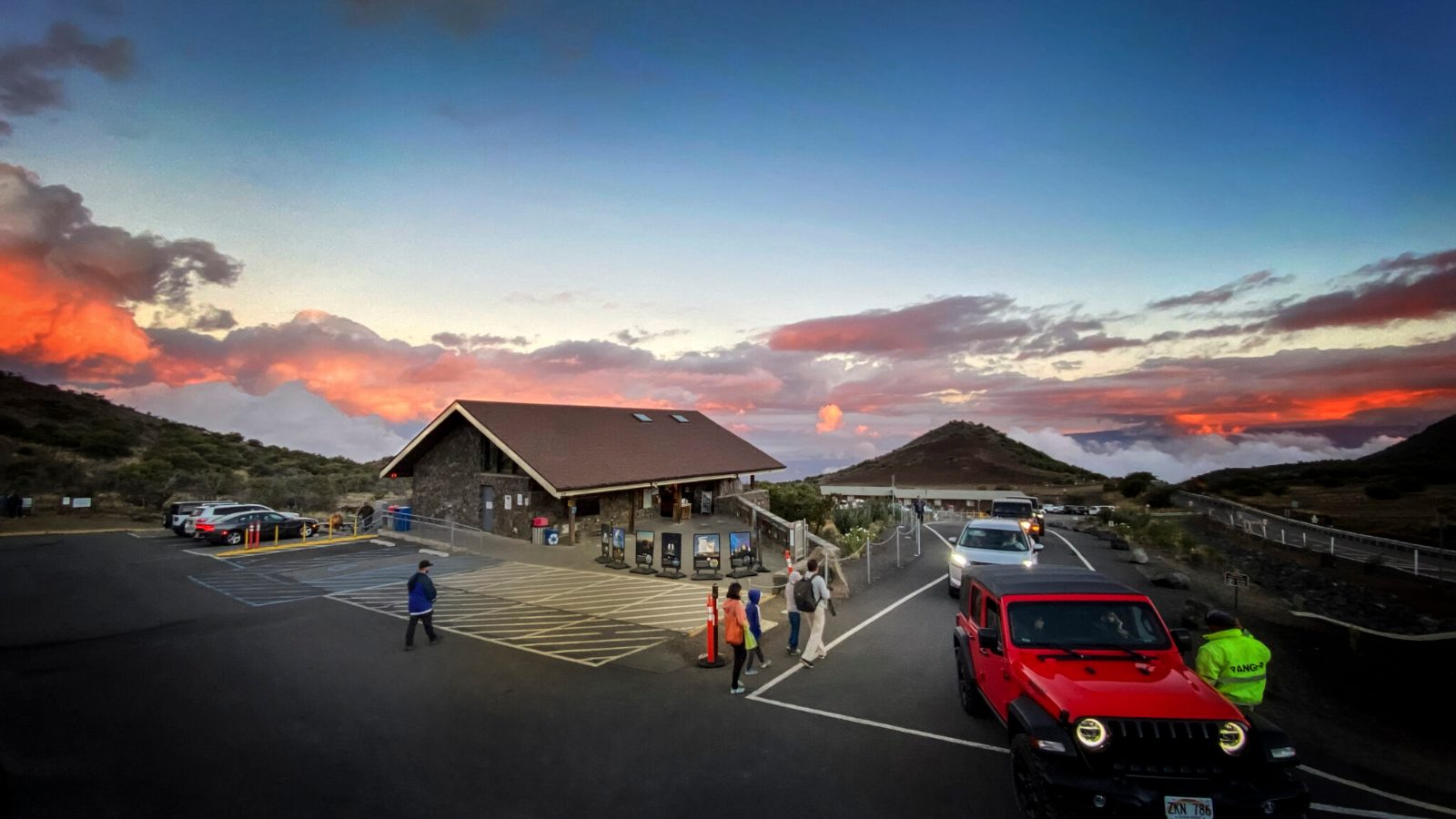
A scenic hill near the station offering an ideal vantage point for sunset watching and initial stargazing preparations.
The official gift shop where you can purchase souvenirs and astronomy-related educational materials.
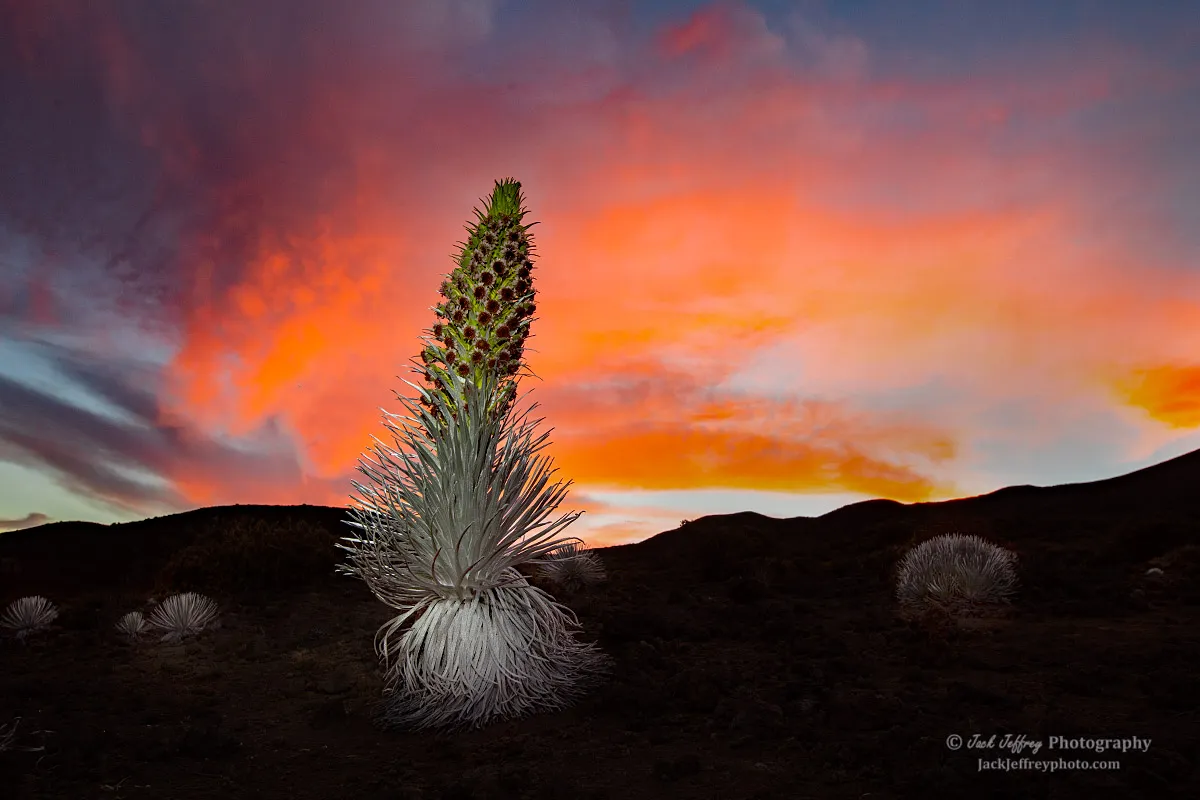
A protected habitat area showcasing the rare and endangered ʻĀhinahina plants found only at high elevations.
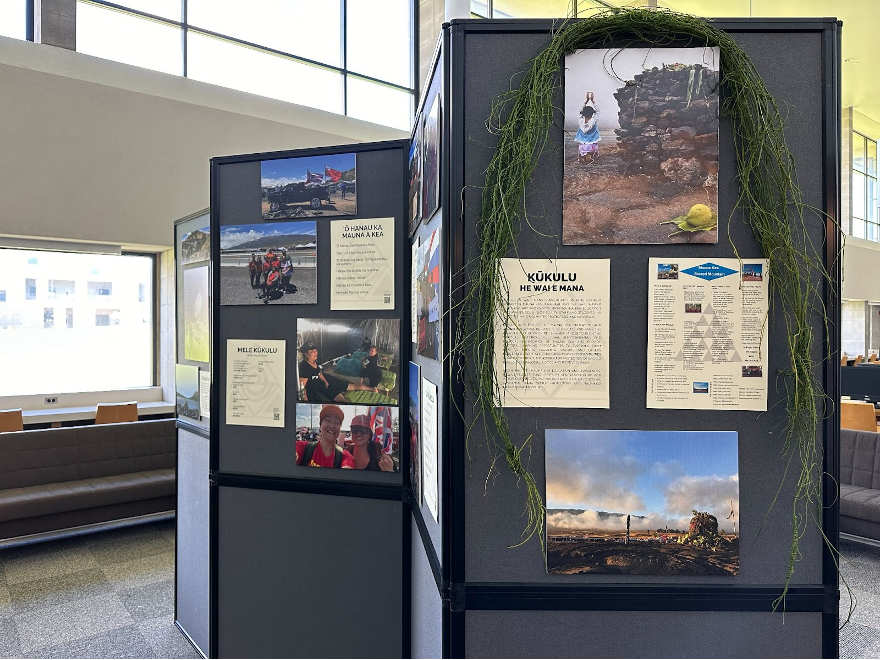
Displays detailing the history of the observatories and the cultural significance of the mountain to Native Hawaiians.
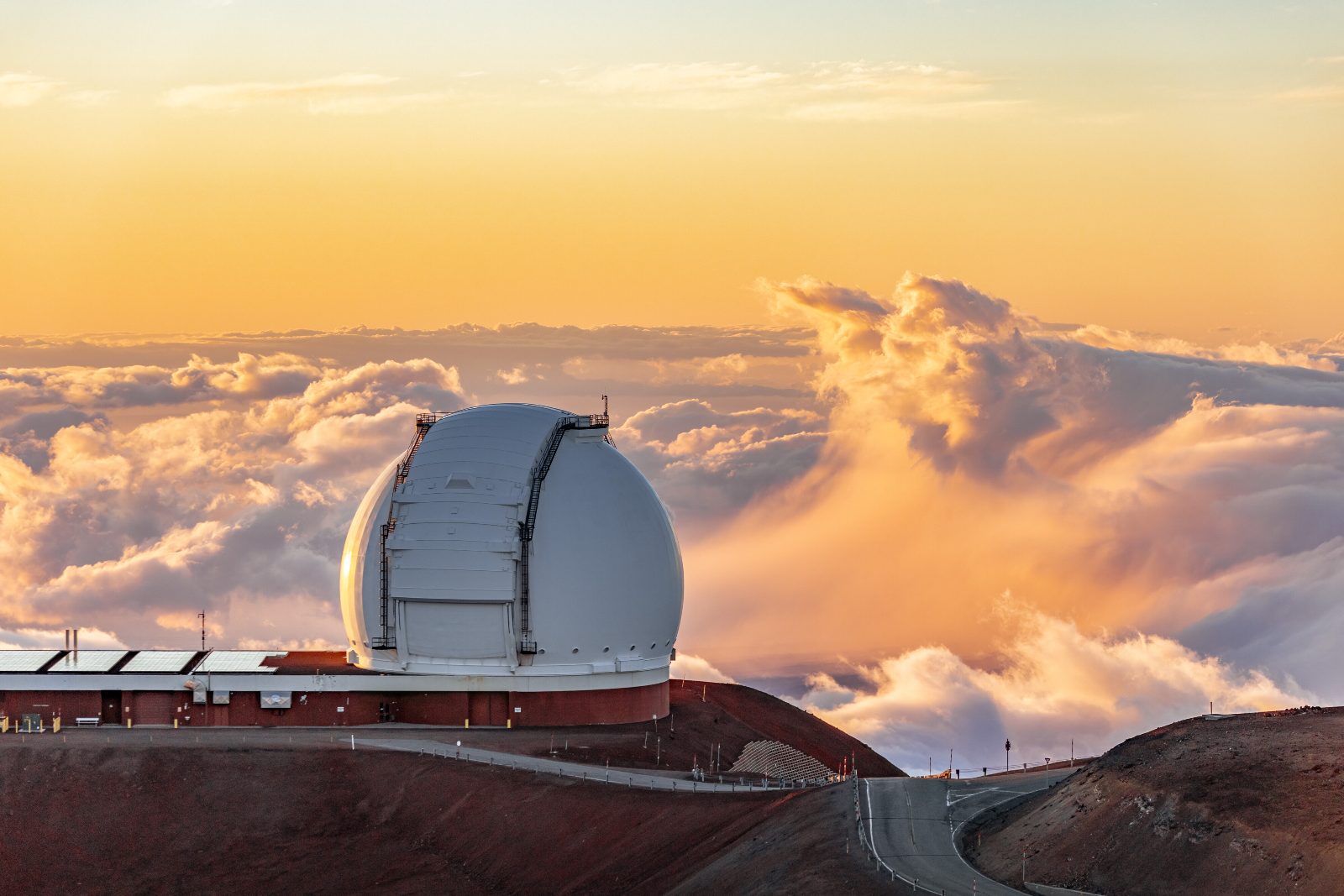
The high-altitude region home to world-renowned observatories like Keck and Subaru, accessible via 4WD.
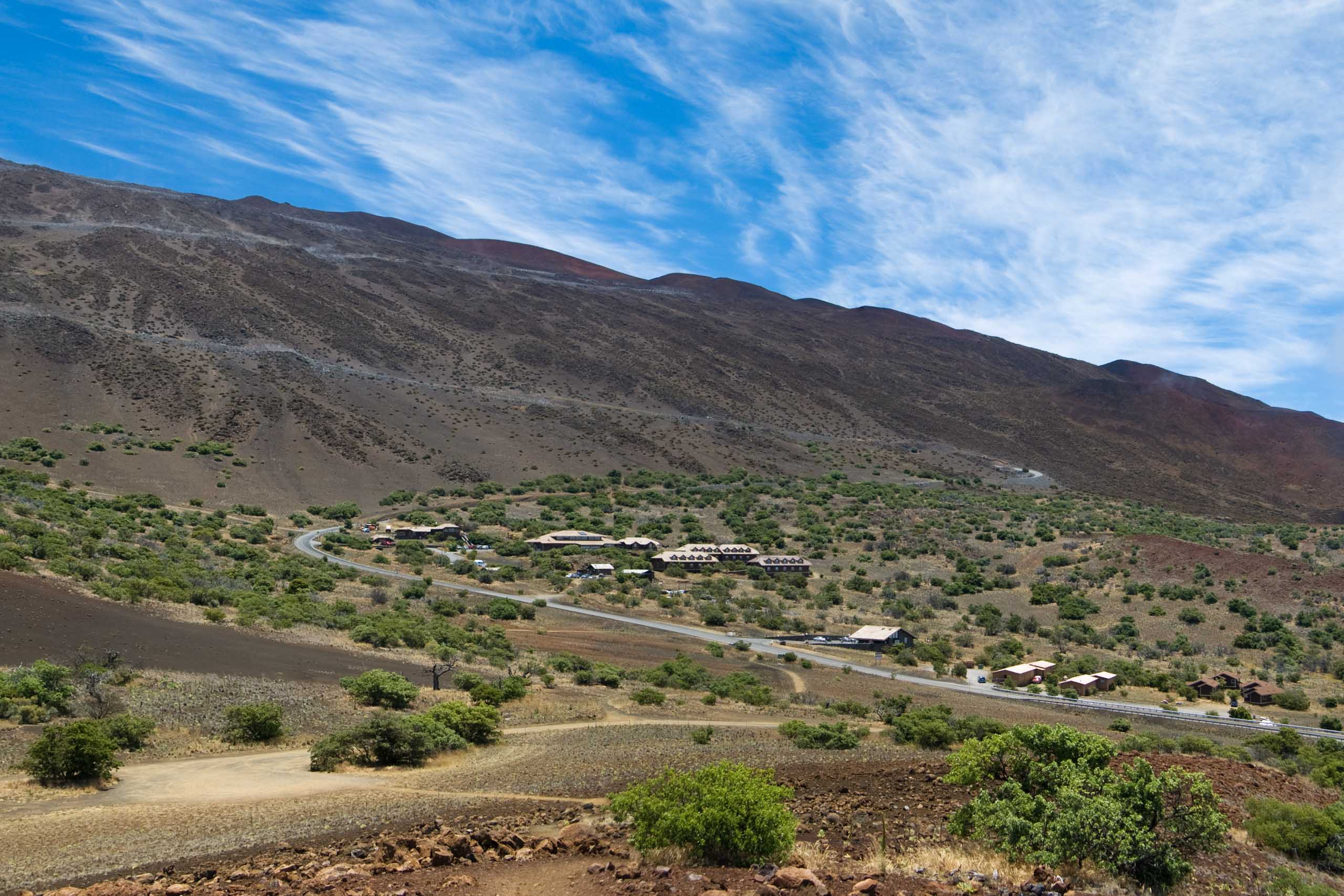
You leave Hilo in late afternoon, crossing the Hamakua Coast as sugarcane fields give way to ranchland. The van climbs past Saddle Road, where the landscape turns volcanic — black ʻaʻā lava, rust-red cinder, sparse māmane trees. At the Visitor Information Station, 9,200 feet up, you step out into thin air.
Your guide distributes parkas and insulated gloves. You spend thirty minutes here, sipping hot chocolate, letting your body adjust.
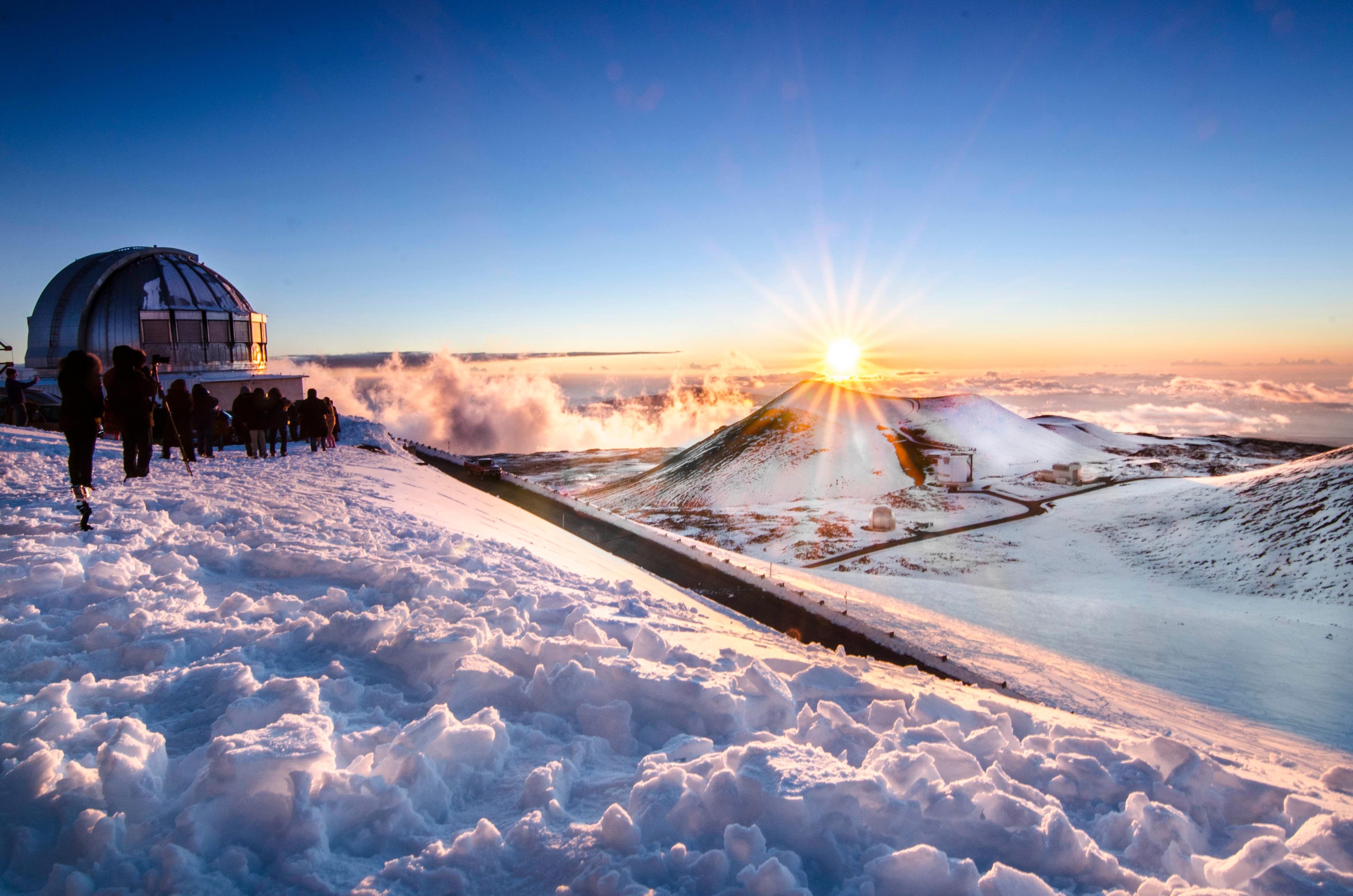
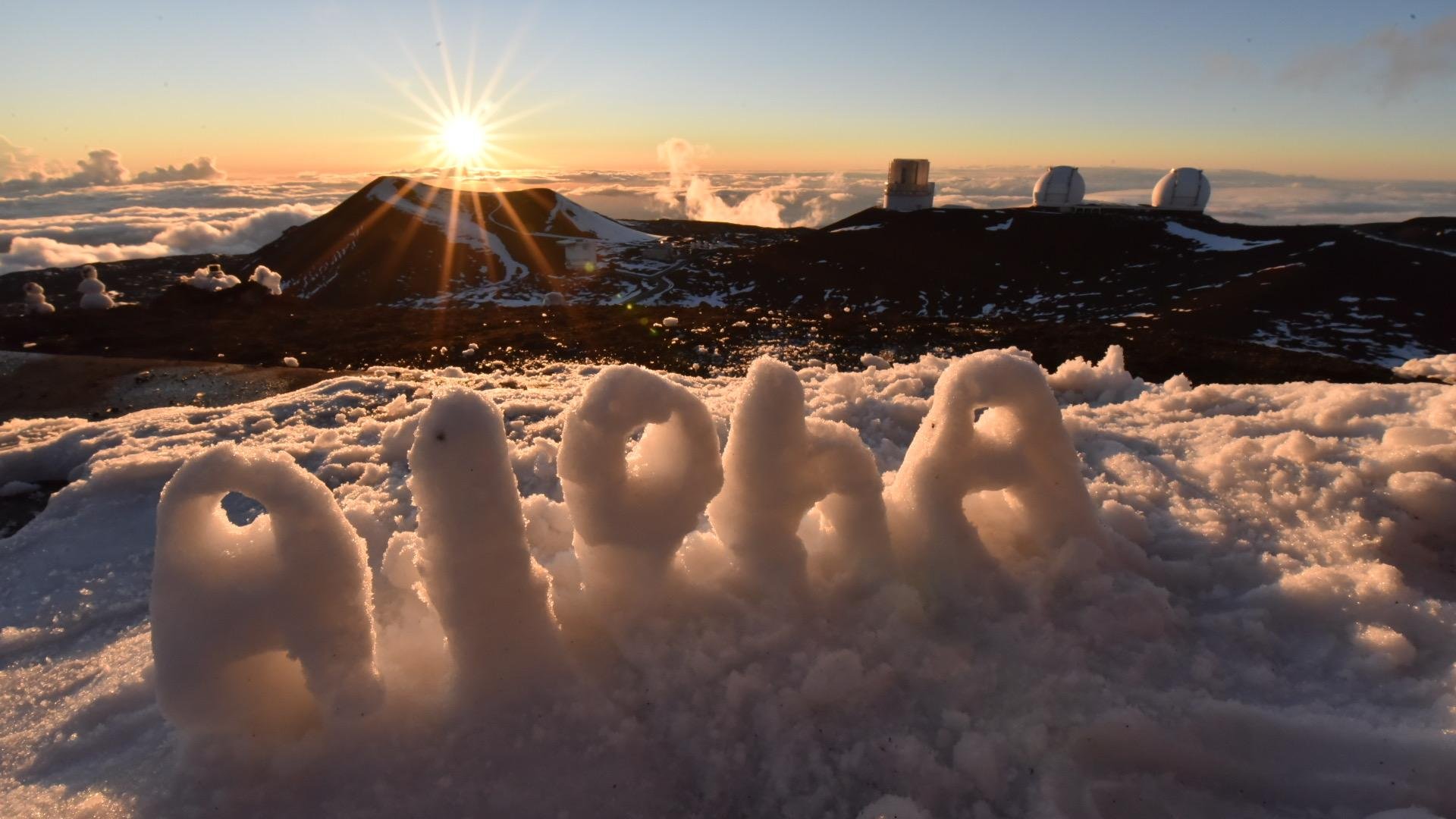
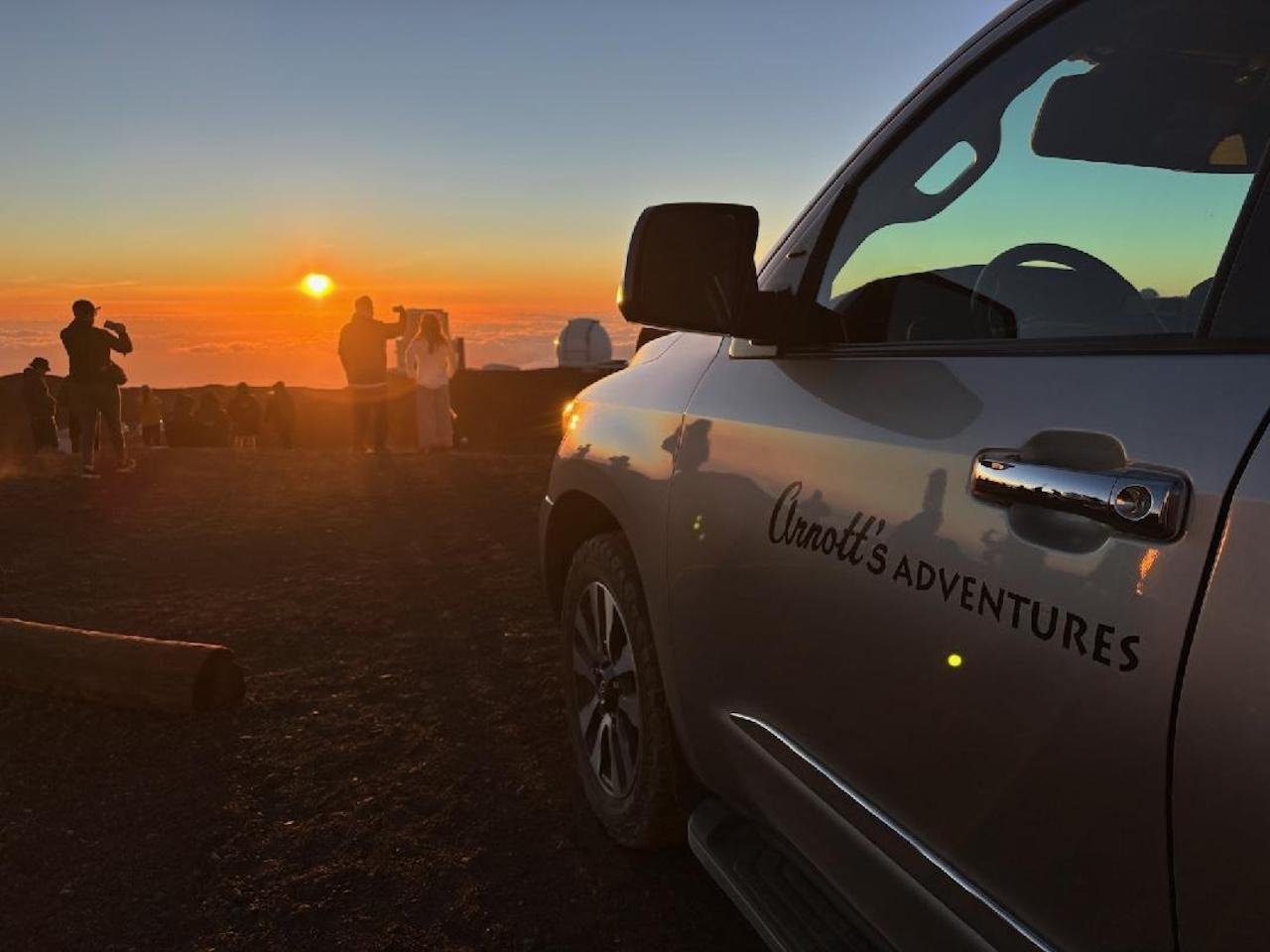
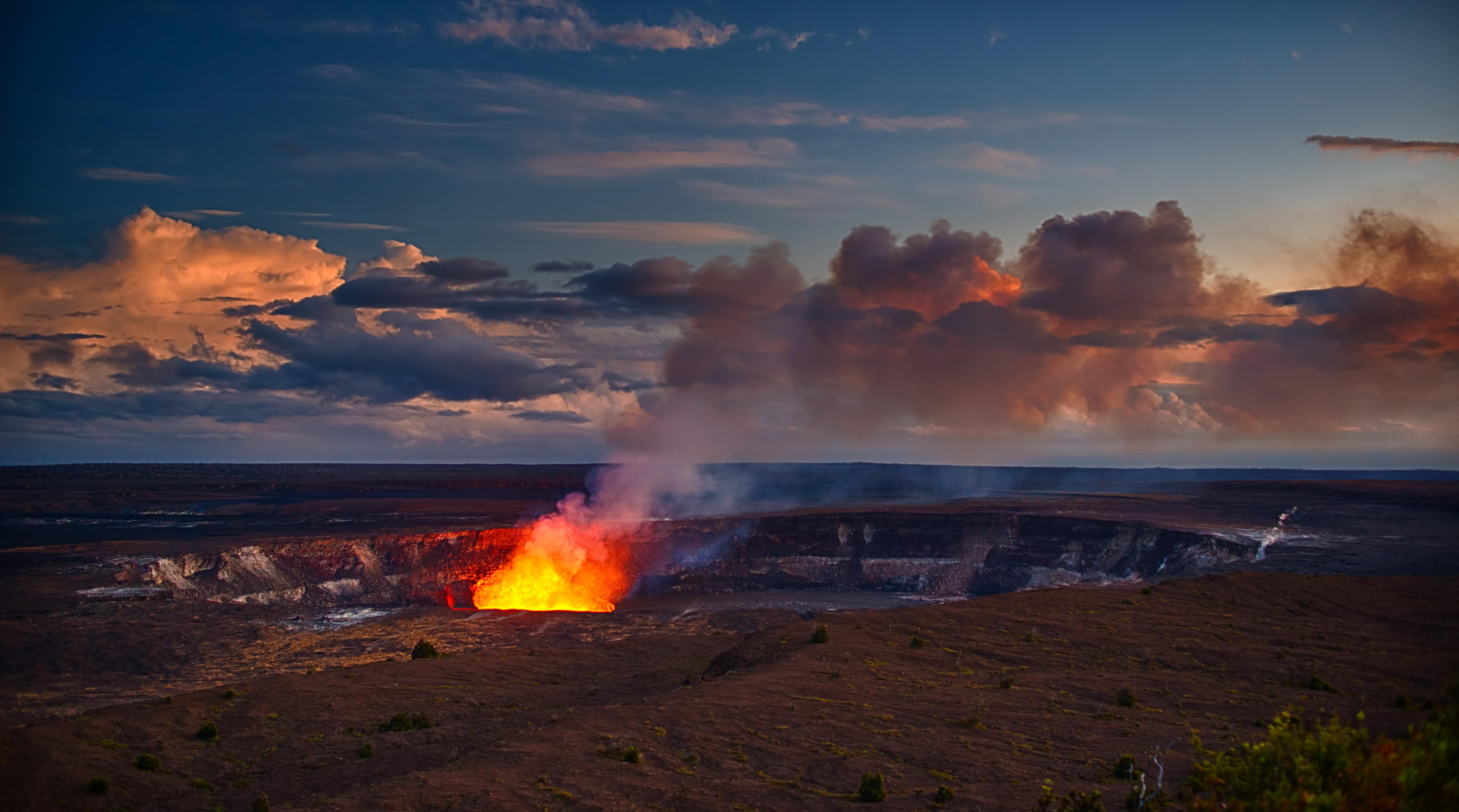
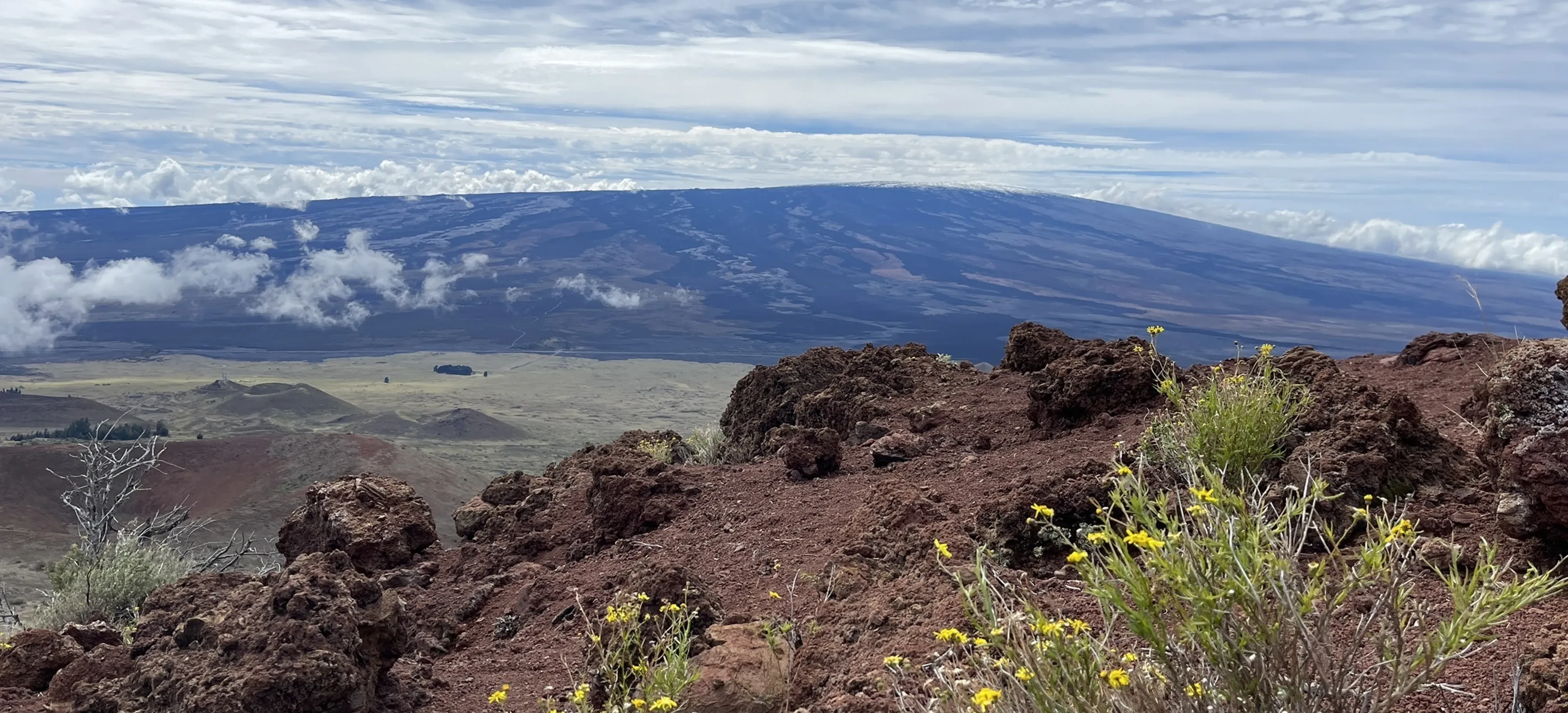
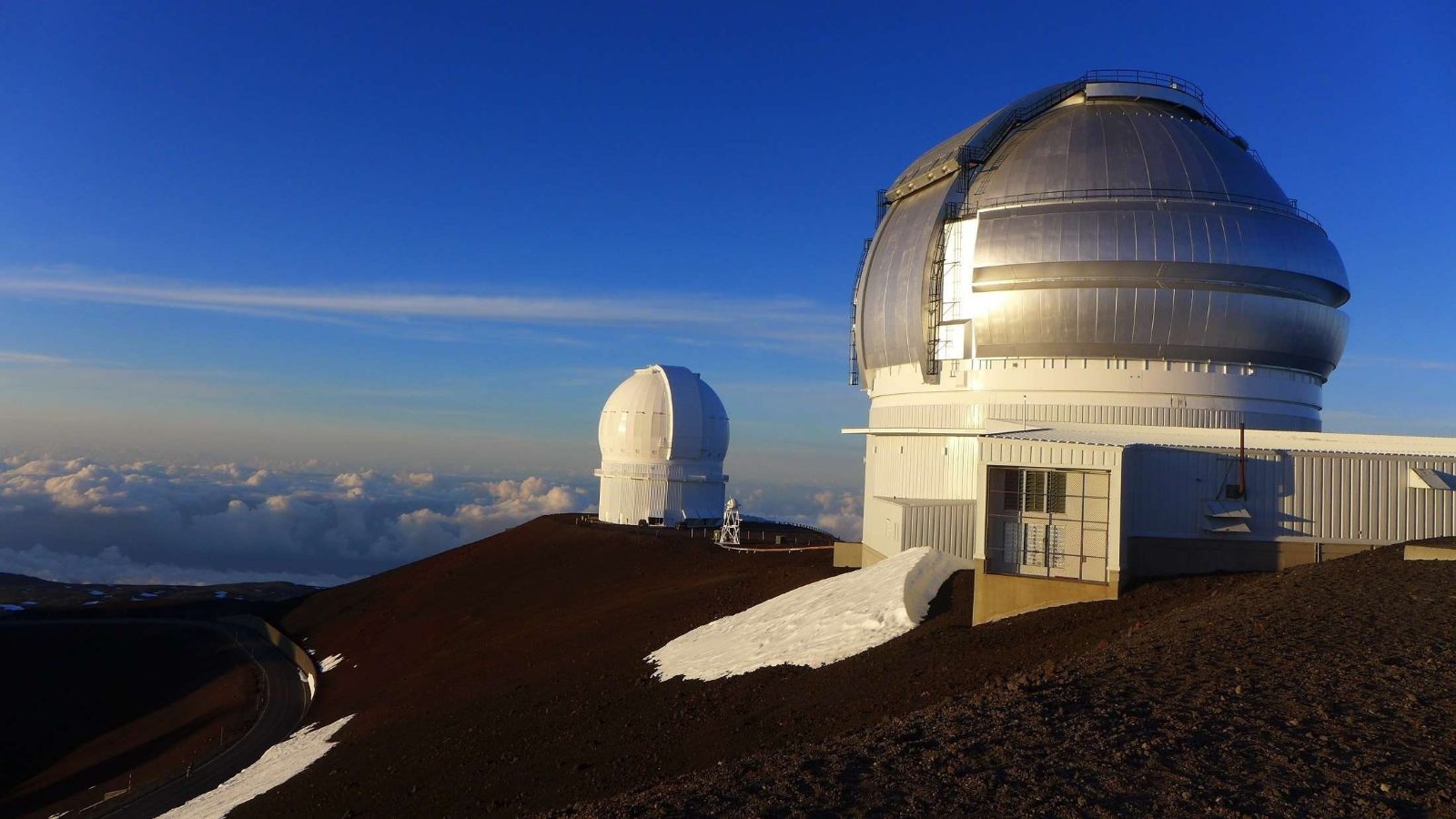
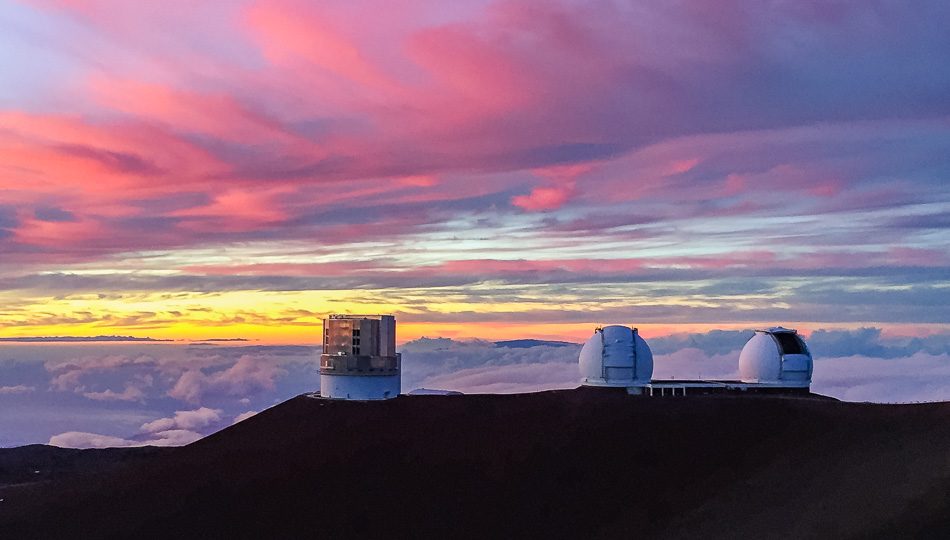
The final ascent takes another forty minutes. The road narrows. You pass Hale Pōhaku, then the pavement ends. Switchbacks climb through a moonscape of scoria and pumice. At the summit, the observatories loom white against deepening blue — Keck, Subaru, Gemini. You walk to the edge of the plateau. The sun drops toward the Pacific, backlighting the shadow of Mauna Loa. Within fifteen minutes, the sky shifts from purple to black.
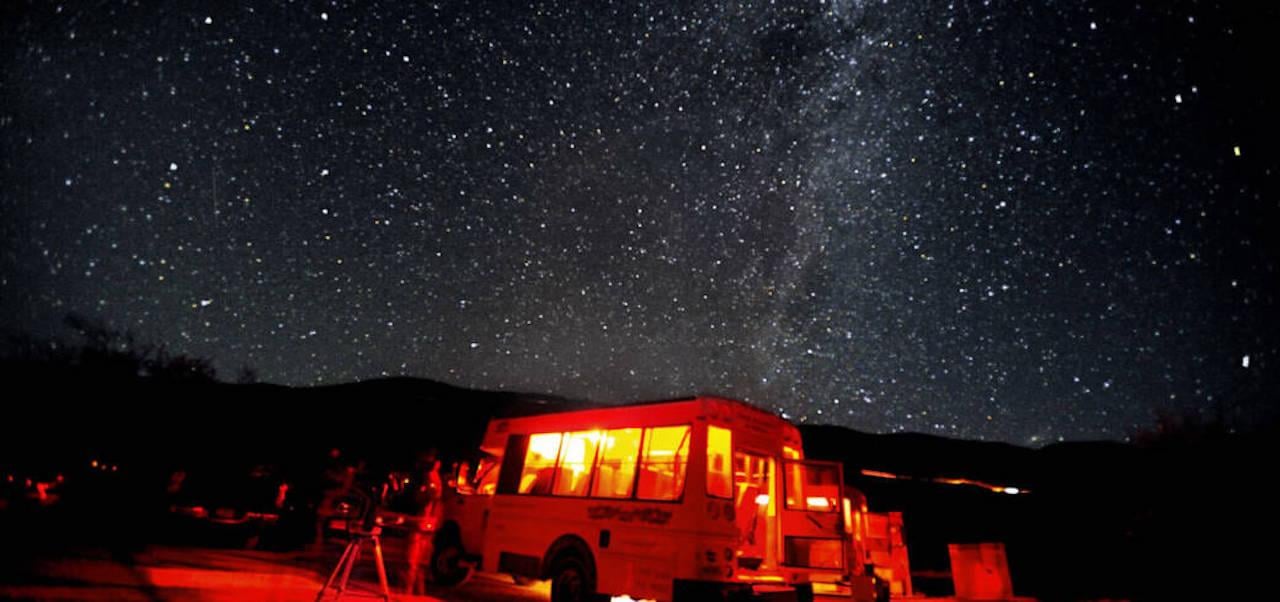
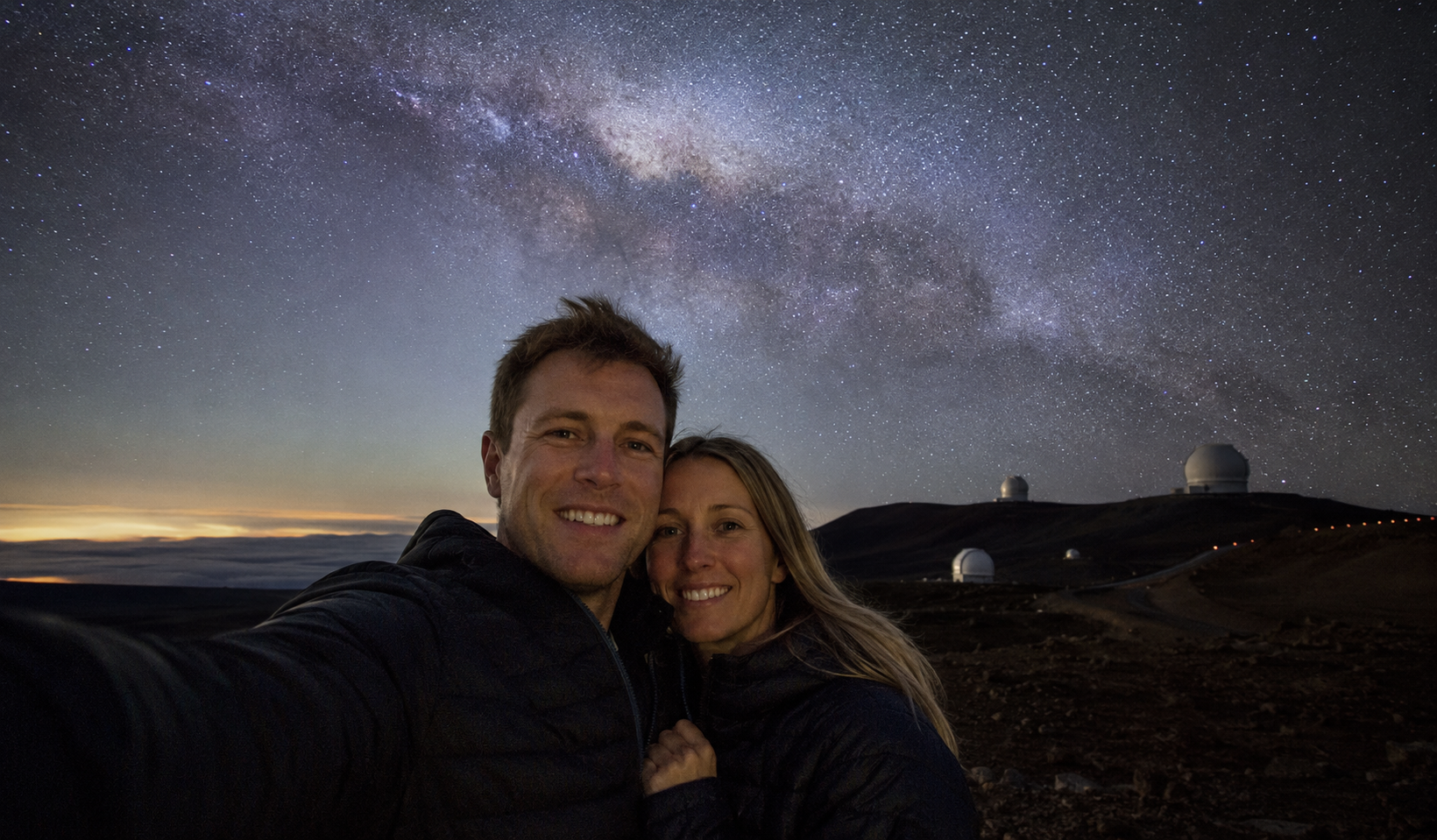
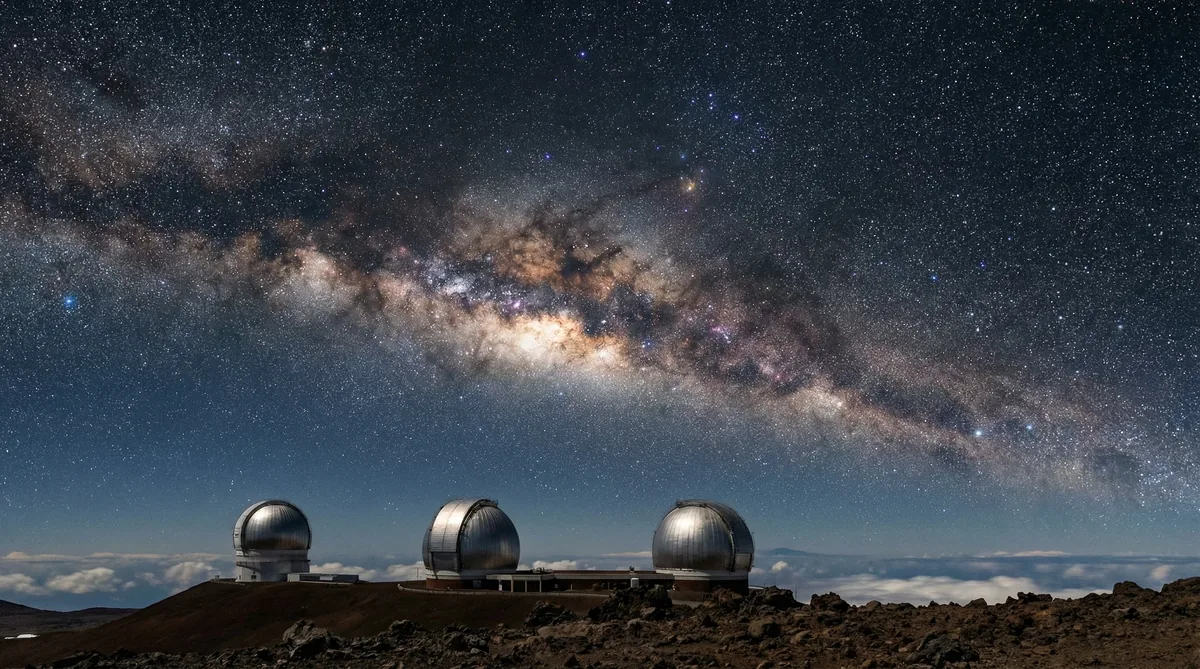
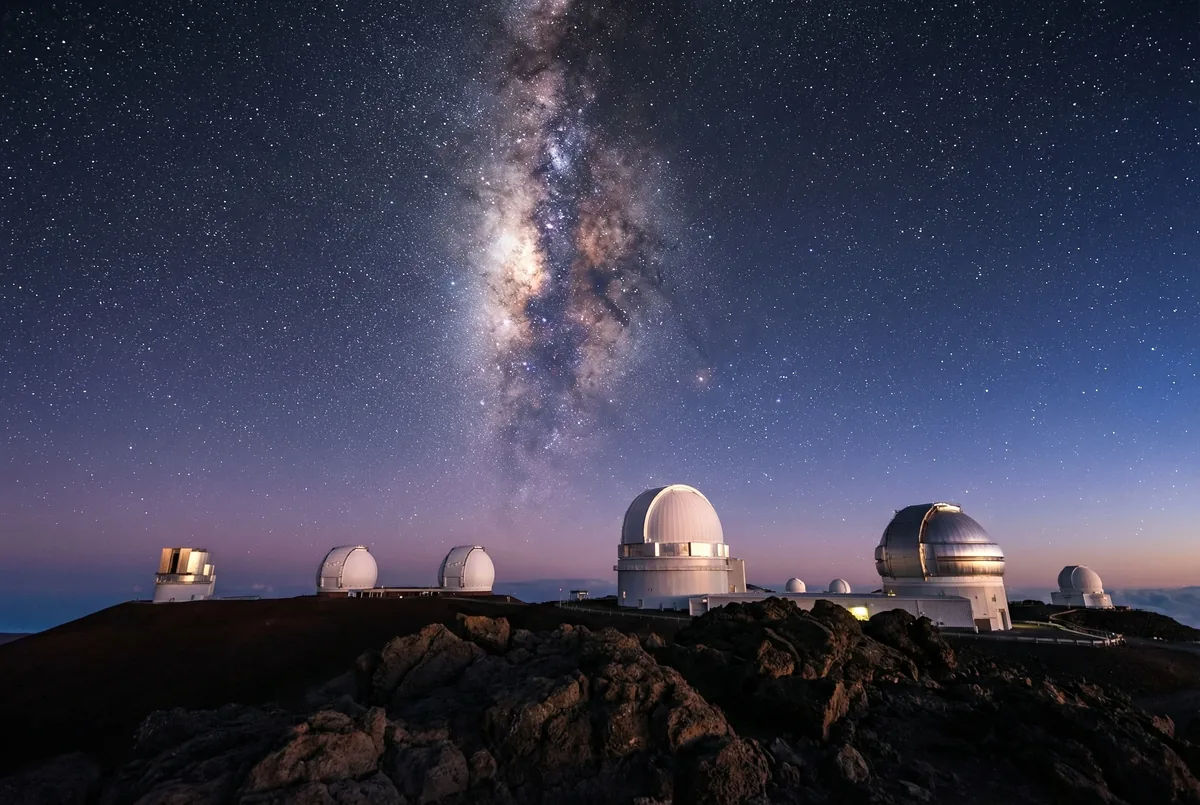
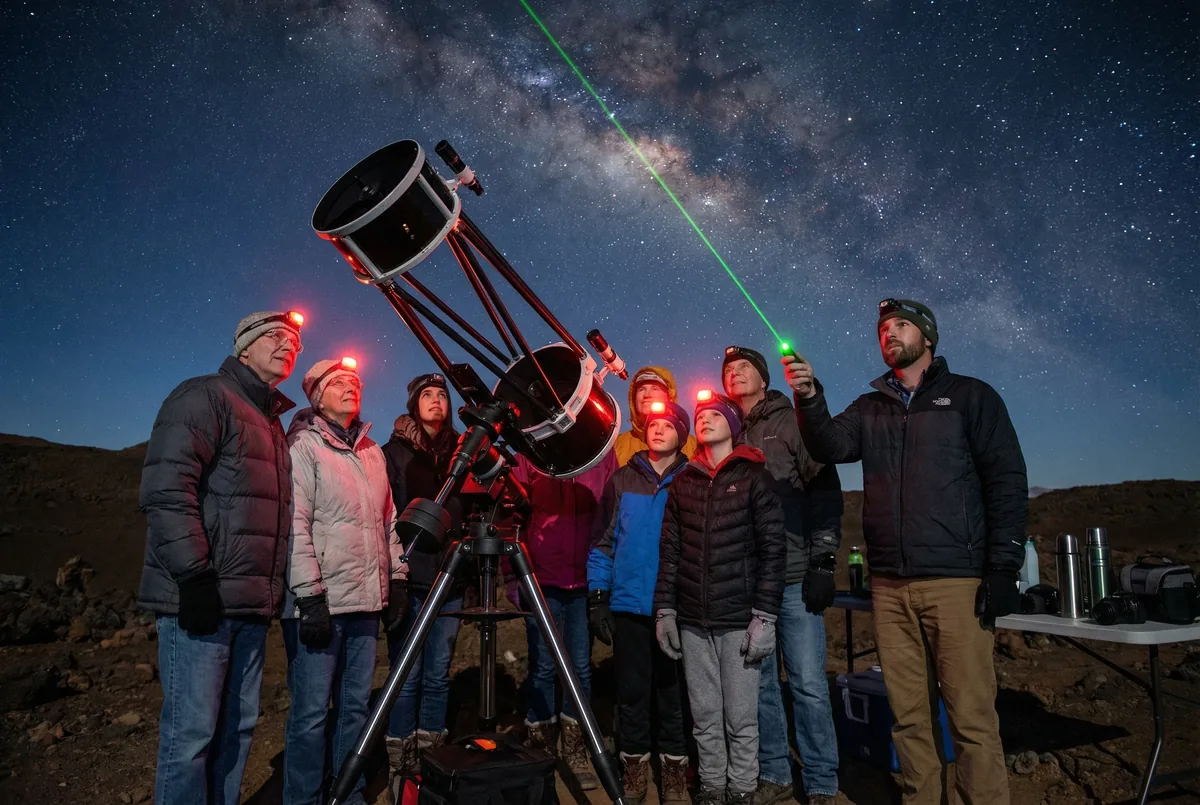
Your guide sets up the telescope. You lean in: Saturn, its rings tilted, hangs steady in the eyepiece. Jupiter follows, three moons visible as bright pinpricks. The Milky Way unfurls overhead, so dense you lose count of the stars. Your guide points a green laser at Cassiopeia, then Orion rising in the east. You stay for two hours. The cold seeps through your gloves. You don't mind.
All the details about your upcoming adventure in one place
Mauna Kea rises 13,796 feet above the Pacific, its summit piercing the marine layer that shrouds most of Hawaiʻi. The dormant volcano's altitude, minimal light pollution, and atmospheric stability make it one of thirteen international observatories clustered on the peak, including the twin Keck telescopes and Subaru.
The site has hosted groundbreaking cosmological research since the 1960s, from exoplanet detection to gravitational wave confirmation. Yet for Native Hawaiians, Mauna a Wākea has been a sacred summit for centuries — a place where earth meets sky, and where navigators once studied celestial patterns to cross thousands of miles of open ocean.
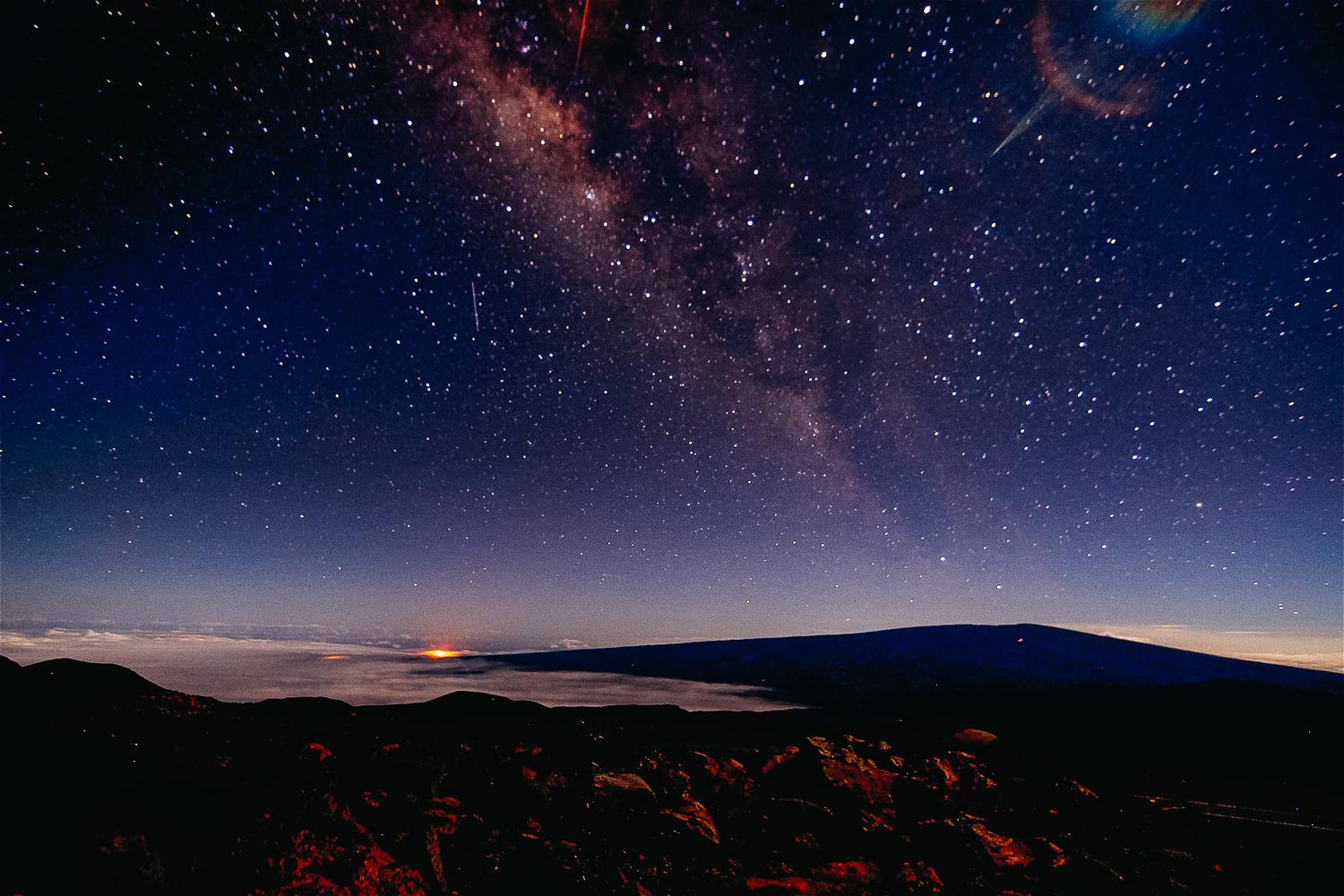
Today, Mauna Kea private stargazing tour experiences bridge that dual identity. Visitors ascend through five distinct climate zones, from tropical lowland forest to alpine stone desert, pausing at the 9,200-foot Visitor Information Station to acclimate before continuing. The summit road, unpaved above Hale Pōhaku, climbs switchbacks past cinder cones and lava fields. Tour operators provide cold-weather gear — temperatures at the peak regularly drop below freezing after sunset — and oxygen for guests who need altitude support. The observatories themselves are closed to casual visitors, but the summit plateau offers unobstructed horizon views and a sky so dark that the Milky Way casts shadows.
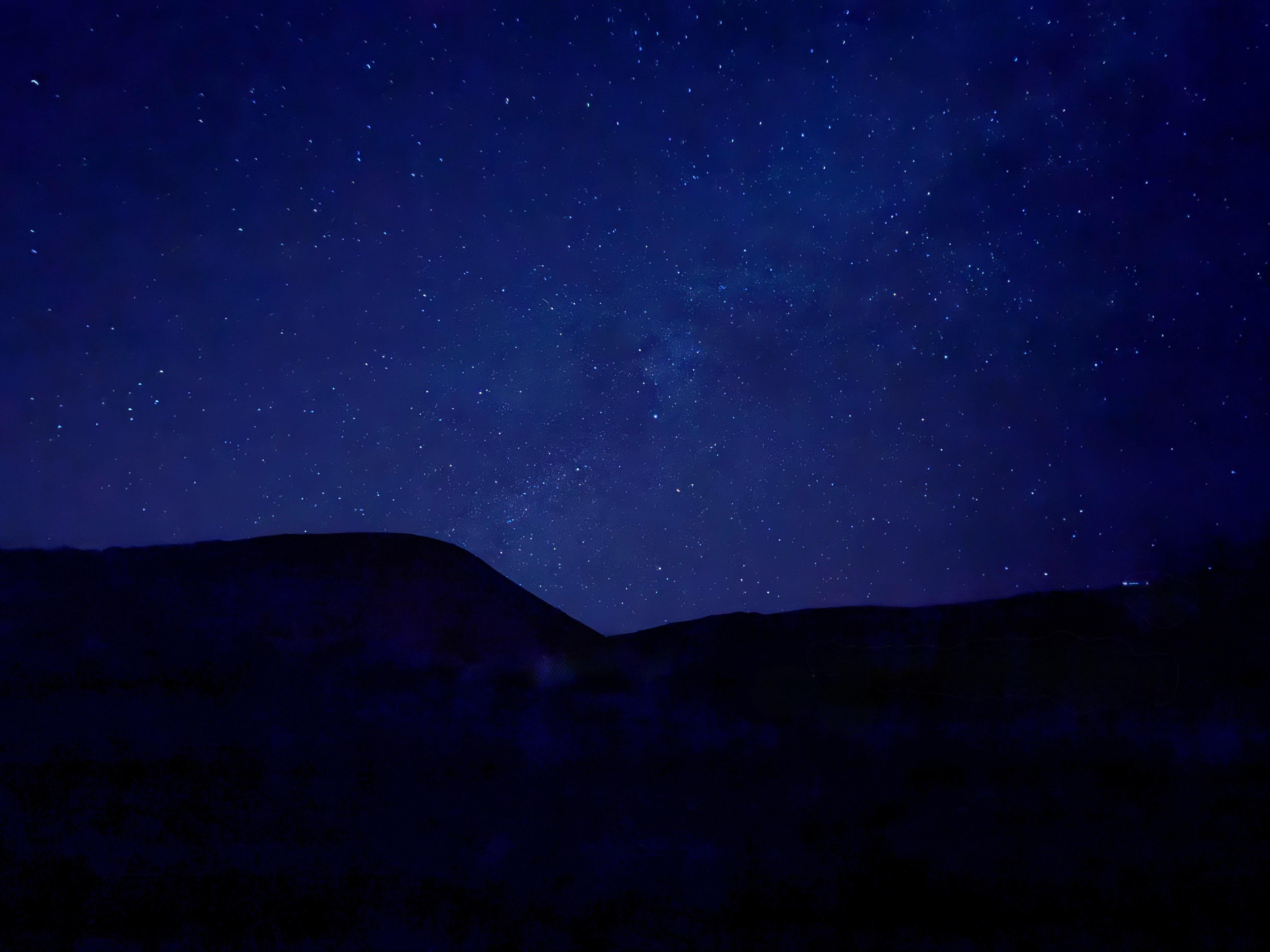
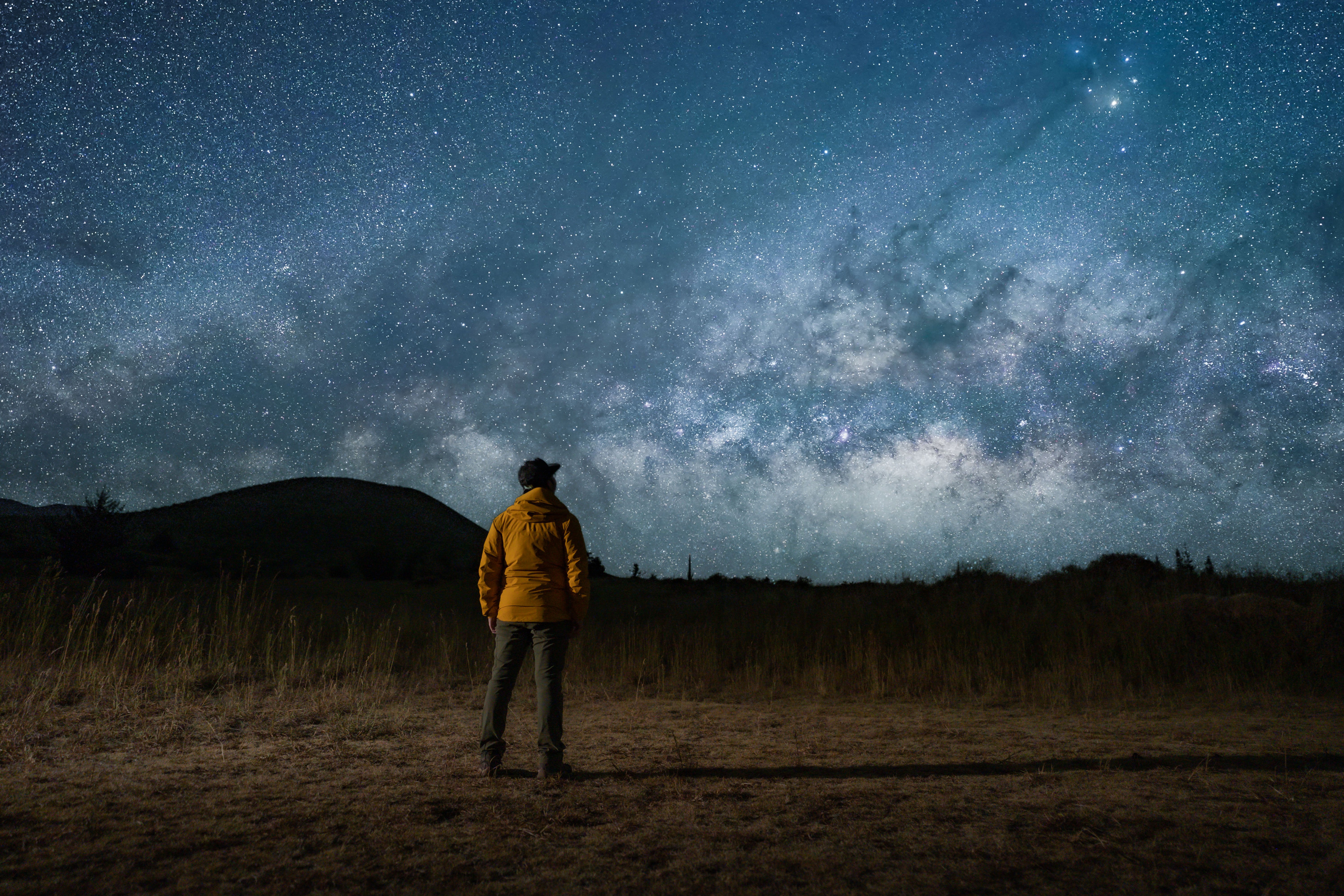
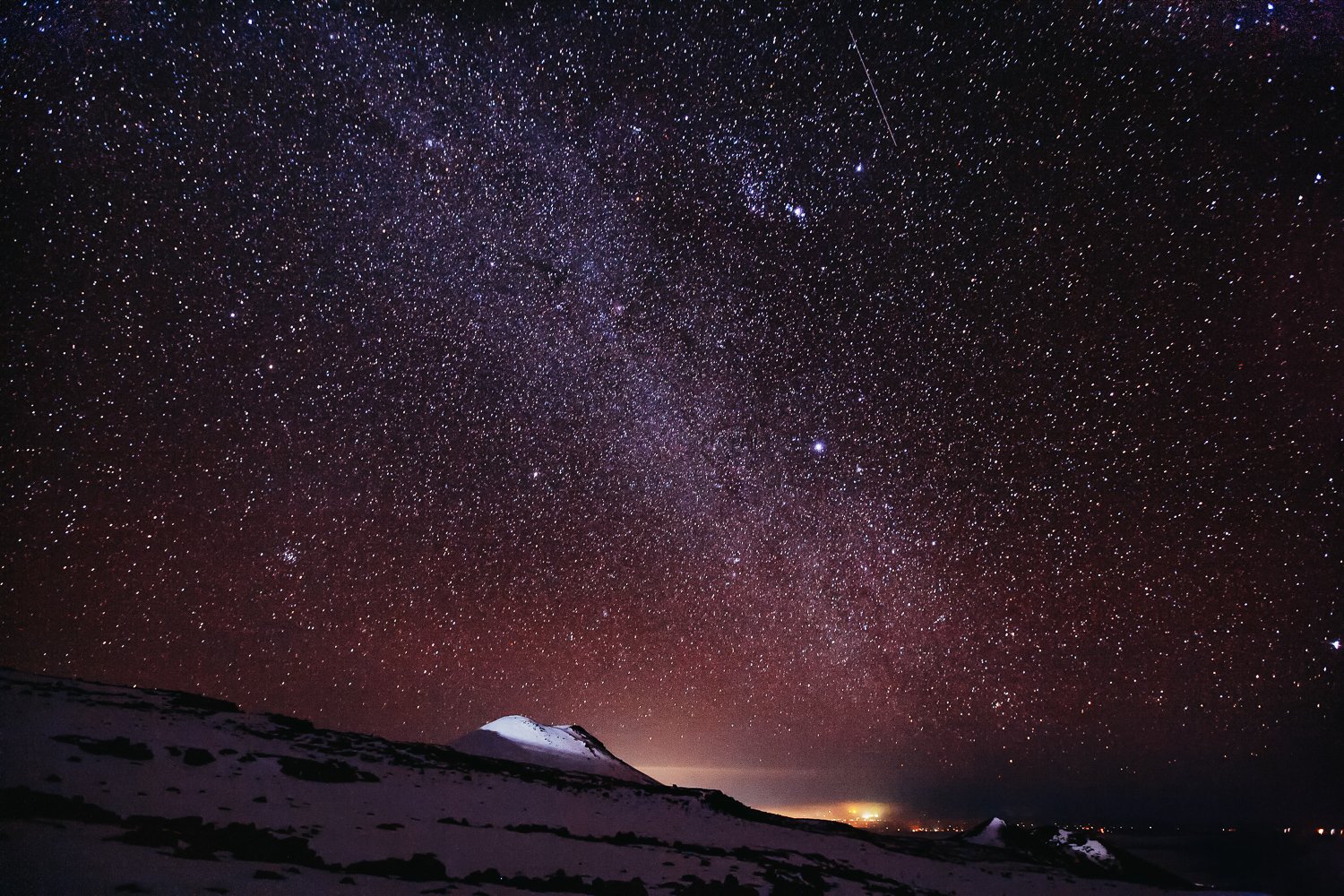
Guided astronomy sessions unfold at either the summit or the Visitor Information Station, depending on conditions and operator. High-powered telescopes reveal Saturn's rings, Jupiter's moons, the Andromeda galaxy, and seasonal deep-sky objects invisible to the naked eye. Laser pointers trace constellations. Guides explain how Polynesian wayfinders used Hokule'a, Sirius, and the Southern Cross to navigate without instruments, and how modern astrophysics continues that tradition of looking up. The Mauna Kea stargazing tour schedule aligns departures with sunset, allowing visitors to watch the shadow of the mountain stretch across the saddle below before the first stars appear. On clear nights, the sky fills so densely with stars that familiar constellations become difficult to isolate.
Access to Mauna Kea remains contested. Protests over the Thirty Meter Telescope project have intermittently closed the summit road since 2019, underscoring the tension between scientific advancement and Indigenous sovereignty. Tour operators monitor road status daily and adjust itineraries accordingly. The cultural protocol is clear: Mauna Kea is not a theme park. Visitors are asked to respect the land, follow guide instructions, and recognize that they are guests on a mountain that holds both scientific and spiritual significance.

The summit plateau offers unobstructed horizon views and a sky so dark that the Milky Way casts shadows.
Arctic-level gear is mandatory, including heavy coats, gloves, and sturdy closed-toe shoes. Temperatures at 9,200 feet drop rapidly after sunset.
Rangers monitor vehicle conditions at the station; muddy or oversized vehicles may be restricted. Always carry a government-issued photo ID.
Astrophotography is encouraged around the station, but avoid pointing high-intensity lights at other stargazers. Drone usage is strictly prohibited on the mountain.
Children under 13 are strongly discouraged from ascending above the station due to severe altitude risks. Families should remain at the 9,200-foot level for safety.
The Visitor Information Station offers accessible parking and restroom facilities. The rugged terrain beyond the station is not suitable for mobility aids.
No food is sold at the station; visitors must pack sufficient water and high-energy snacks. Dispose of all waste properly to protect the mountain environment.
Opening Hours
09:00–21:00
Address
Maunakea Access Road, Hilo, HI 96720
Accessibility
Visitor Information Station is wheelchair accessible
Best Arrival Window
09:00–20:30
Security Check
4WD required for summit access
Navigation
Use Onizuka Center for International Astronomy
Varies by third-party tour operator; please review specific booking terms. The Visitor Information Station itself is always free to enter.
Recommended time
4-6 hours
To properly acclimate to the high elevation, visitors should plan for a mid-day arrival at the Visitor Information Station. Securing a mauna kea private stargazing tour allows for a structured experience, as peak density occurs during the sunset transition when many observers gather for summit access. Plan to spend several hours at lower elevations before heading up to observe the night sky, ensuring you remain within the 09:00–20:30 window for the most effective celestial viewing. Booking mauna kea private stargazing tour tours helps navigate these crowded periods, while those seeking mauna kea private stargazing tour tickets for specialized astronomy sessions should prioritize early afternoon arrival to avoid parking limitations.
Crowd levels through the day
Mauna Kea rises 13,803 feet above the Pacific, its summit long revered in Native Hawaiian cosmology as the realm where sky father Wākea meets earth mother Papa. For centuries, only high-ranking aliʻi ascended to perform ceremonies at the frozen lake Waiau, cradled near the peak. The mountain's name—white mountain—describes the seasonal snow that crowns a volcano born beneath the ocean more than a million years ago. Traditional kapu restricted access, preserving the summit as a space of profound spiritual significance. That reverence collided with modern science in 1964, when University of Hawaiʻi researchers identified the peak as an ideal site for optical astronomy. The air above 9,000 feet is exceptionally stable, dry, and free from light pollution, conditions that would make Mauna Kea the world's premier ground-based observatory complex. Construction of the first telescope began in 1968, and by the mid-1970s multiple nations had committed instruments to the summit. The Visitor Information Station opened at 9,200 feet in 1983, offering a safer acclimatization point for those ascending to stargaze. What began as a handful of domes evolved into thirteen telescopes by the late 1990s, including the twin Keck observatories with their revolutionary segmented mirrors. The partnership between astronomical institutions and the University of Hawaiʻi formalized access roads, protocols, and the infrastructure that now supports mauna kea private stargazing tour operations. These guided stargazing tours emerged in the early 2000s, blending educational outreach with the mountain's unmatched celestial views. Visitors acclimate at the mid-level station before ascending to witness planets, nebulae, and galaxies through portable telescopes set against a sky unmarred by urban glow. Controversy intensified in 2014 when plans for the Thirty Meter Telescope sparked protests rooted in the protection of sacred land. Legal challenges and community opposition halted construction, underscoring the tension between scientific ambition and cultural stewardship. The dispute reshaped how mauna kea private stargazing tour tickets are framed today—operators now emphasize respectful engagement with both the night sky and the mountain's heritage. Summit access remains restricted by weather and road conditions, yet the Visitor Information Station continues to welcome astronomers, students, and travelers drawn to a place where ancient cosmology and modern discovery converge beneath one of Earth's clearest skies.
Native Hawaiians restrict summit access under kapu, reserving Mauna Kea for high-ranking aliʻi and sacred ceremony.
University of Hawaiʻi scientists identify the summit as an optimal site for optical astronomy due to stable air and minimal light interference.
Construction of the first telescope on Mauna Kea begins, marking the transition from sacred peak to scientific observatory.
The Visitor Information Station opens at 9,200 feet, providing acclimatization support and public education.
Twin Keck telescopes debut with segmented mirror technology, solidifying Mauna Kea's status as the world's leading ground-based observatory.
Guided stargazing tours launch, offering visitors telescope-assisted views of planets, nebulae, and deep-sky objects from the mid-level station.
Protests against the Thirty Meter Telescope project highlight ongoing debates over land use, sovereignty, and the balance between science and cultural preservation.
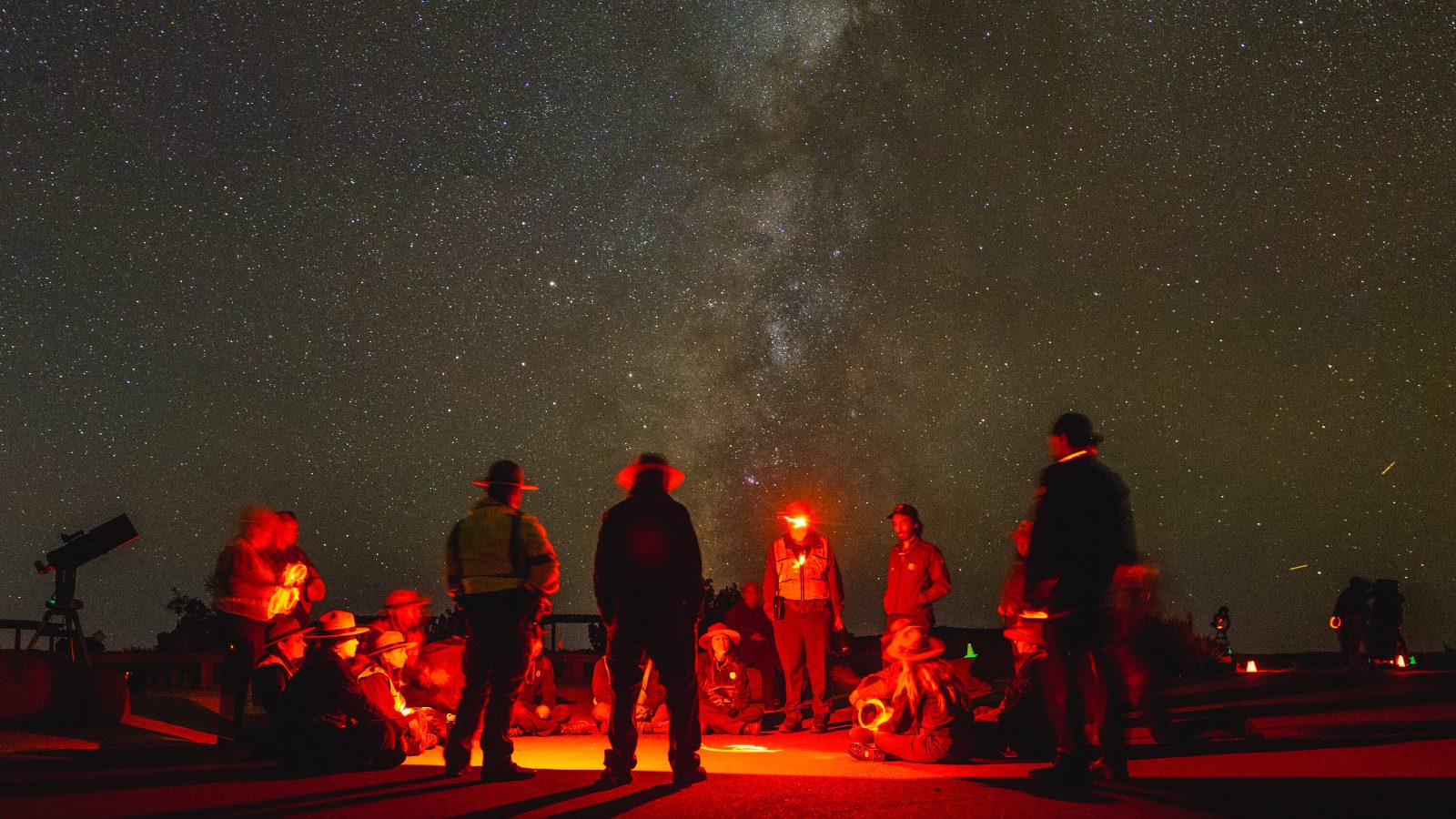
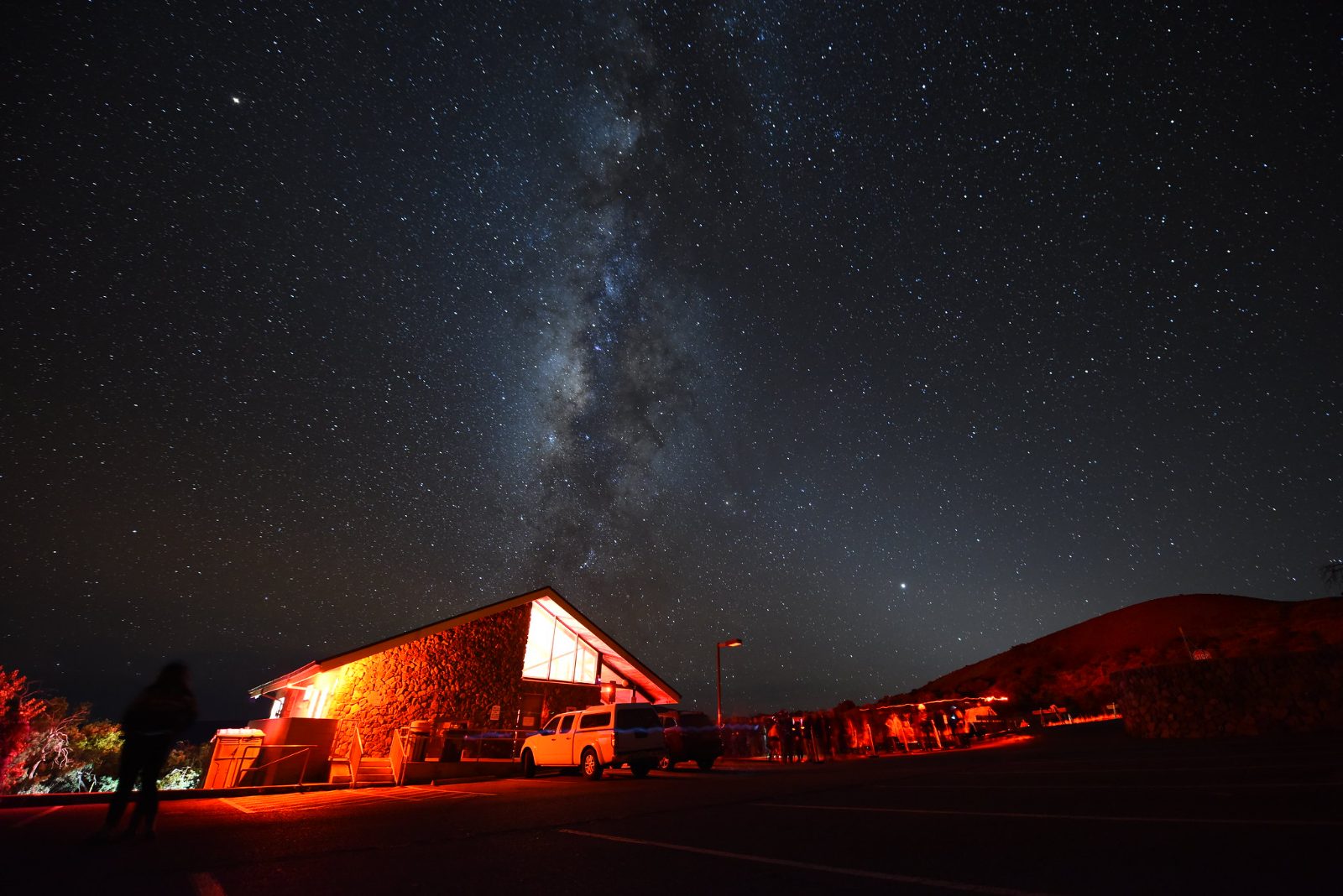
Stand on the expansive deck area near the main building to capture the transition of the sky as twilight deepens. This location offers a stable platform for long-exposure photography of the celestial expanse and serves as the primary base for many a mauna kea private stargazing tour.
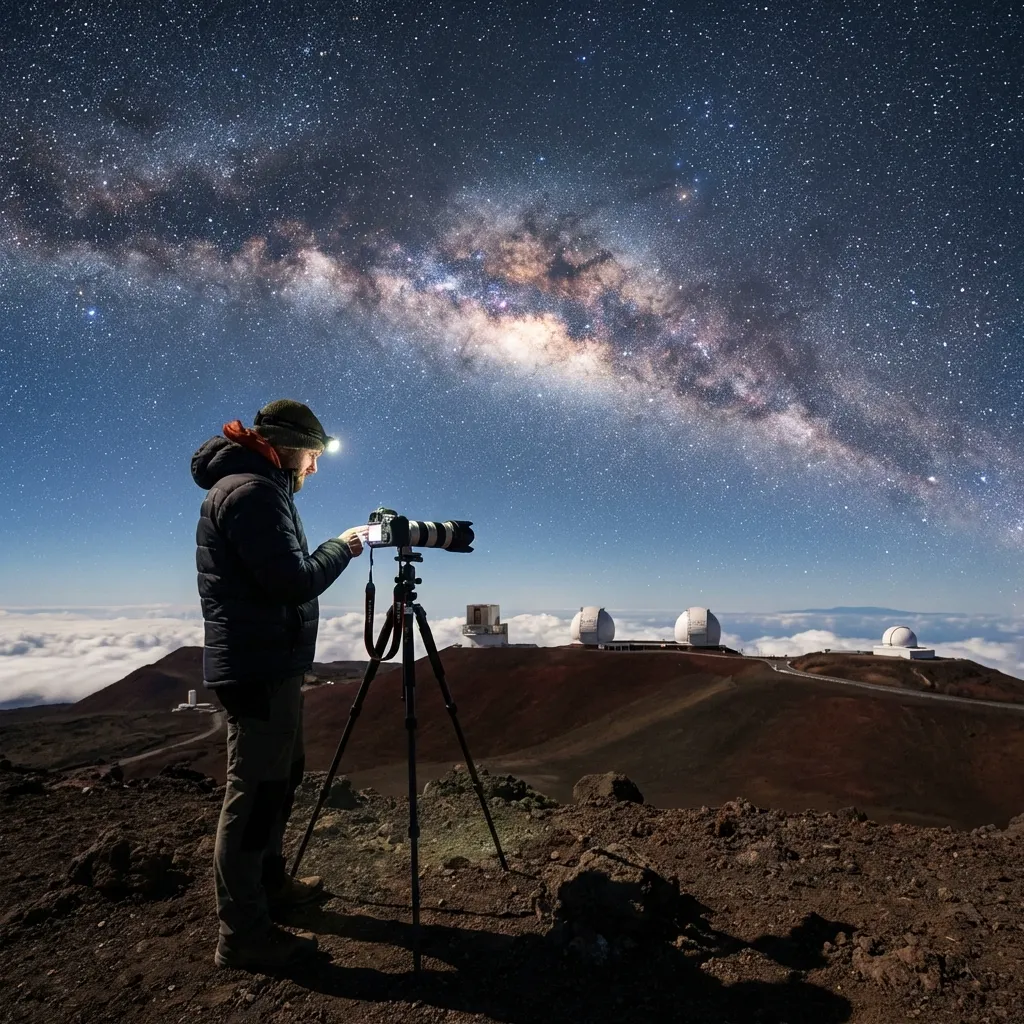
Position your tripod along the trail boundary to frame the volcanic slopes against a backdrop of distant stars. The rocky terrain provides a dramatic foreground element that enhances the scale of the high-altitude landscape.
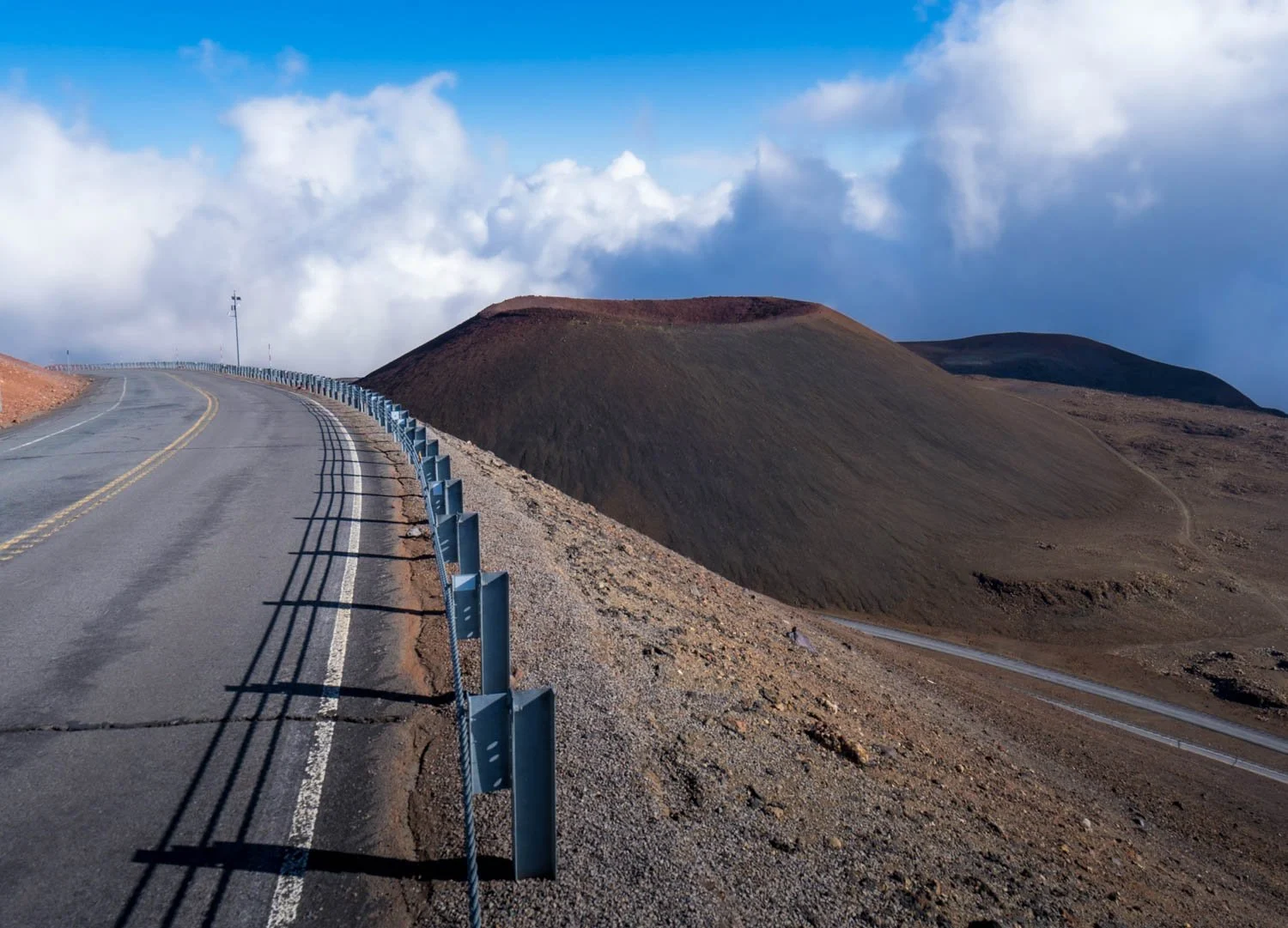
Find a safe pull-off along the lower reaches of the road to capture the silhouette of the cinder cones under the moonlight. Photographers often favor this perspective before meeting their guide for a mauna kea private stargazing tour tours.
Capture the architectural geometry of the telescopes set against the dark horizon during a guided mauna kea private stargazing tour tour. Visitors must stay within marked areas to ensure the safety of themselves and the sensitive scientific equipment.
Use the wide-angle setting to document the cluster of facilities that characterize this unique research site while reviewing your mauna kea private stargazing tour tickets for the evening session.
Planning a mauna kea private stargazing tour requires careful preparation for children due to the extreme altitude and rapidly changing environmental conditions at the summit. Families should prioritize physical comfort and health safety when booking their mauna kea private stargazing tour tickets to ensure a positive experience for all ages.
Children are highly susceptible to altitude sickness at the summit, so plan for acclimatization time at the Visitor Information Station before proceeding higher. Consult your pediatrician before booking mauna kea private stargazing tour tours if your child has respiratory or heart conditions.
Temperatures at high elevations frequently drop below freezing, even during autumn. Ensure every family member has heavy winter jackets, gloves, and hats to stay warm during your mauna kea private stargazing tour tour.
Many private providers enforce strict age minimums for summit access due to oxygen levels and safety concerns. Verify specific age policies with your chosen provider before finalizing your Mauna Kea highland excursion.
The thin air makes physical exertion difficult, so plan for a slow, steady pace when walking around the observational areas. Keeping activity levels low helps manage energy and reduces the likelihood of fatigue during your evening of exploring the Hawaiian night sky.
Dining options at high elevations are non-existent, making it essential to plan ahead before your mauna kea private stargazing tour. Visitors typically rely on supplies gathered in Hilo or Waimea, as there are no food vendors at the summit or the Visitor Information Station.
While there are no food vendors here, the facility provides an area where many guests enjoy pre-packed meals before their mauna kea private stargazing tour tours begin. Please plan to bring all necessary sustenance as part of your preparation for these mauna kea private stargazing tour tickets.
$15-30
Everything you need to know for your journey
Entrance to the Visitor Information Station is 0 USD, but private tour operators charge for transportation and equipment.
Arrive between 09:00–20:30 to acclimate properly before your evening tour.
Children under 13 are generally restricted from high-altitude segments of any Mauna Kea excursion.
Tour operators typically provide 4WD transport, which is required for the summit area.
Yes, most stargazing tours use the Visitor Information Station as a primary acclimation stop.
Cancellation policies depend entirely on the specific tour provider you book with.
Pack heavy layers, gloves, and water for your mauna kea private stargazing tour.
Yes, altitude sickness is a risk; guests should acclimate at the 9,200 ft station to mitigate symptoms.
Most operators pick up from central resort hubs or coordinate meeting at the Maunakea Access Road base.
Yes, premium tours include professional-grade telescopes for observing celestial objects.
Join thousands of happy travelers who have discovered this incredible experience
Book Your Experience Now